
Blog
Heat Resistant Glass Cup Buying Guide: Top Tips
Buying Guide
Choose the Perfect Heat Resistant Glass Cup
A heat resistant glass cup can transform your daily tea or coffee ritual, offering both durability and elegance. Whether you’re sipping a hot brew or a cold beverage, choosing the right cup matters.
Why Choose a Heat Resistant Glass Cup?
A heat resistant glass cup is designed to withstand high temperatures without cracking, making it ideal for hot drinks. Unlike regular glass, it undergoes special treatments to handle thermal shock. This means you can pour boiling water directly into the cup without worry. Look for borosilicate glass, which is known for its low thermal expansion. Learn more about borosilicate glass.
Key Features to Look For
- Material: Borosilicate glass is the gold standard for heat resistance.
- Thickness: A thicker wall offers better insulation and durability.
- Design: Ergonomic handles and elegant shapes add comfort and style.
- Capacity: Choose a size that fits your typical serving, usually 250-350 ml.
Borosilicate vs. Soda-Lime Glass
Borosilicate glass can handle temperatures up to 400°F, while soda-lime glass may shatter. Always check the product specifications for temperature ratings.
Safety Tips for Using Glass Cups
Even a heat resistant glass cup needs care. Avoid sudden temperature changes, like placing a hot cup on a cold surface. Pre-warm the cup with hot water before pouring boiling liquid. Inspect for chips or cracks regularly, as damaged glass is more prone to breakage.
Design and Aesthetics
Modern heat resistant glass cups come in various styles, from clear minimalist to ornate patterns. Double-wall designs keep drinks hot while staying cool to the touch. Consider a cup with a lid for longer heat retention. The visual appeal of glass allows you to enjoy the color of your tea or coffee.
How to Clean and Maintain
Hand washing is recommended to preserve the cup’s clarity and heat resistance. Use mild detergent and a soft sponge. Avoid abrasive cleaners that can scratch the surface. If you use a dishwasher, place the cup on the top rack and use a gentle cycle. Over time, mineral deposits may appear; remove them with a vinegar soak.
Environmental and Health Benefits
Glass is non-porous, meaning it won’t absorb flavors or odors from previous drinks. It’s also free from harmful chemicals like BPA found in some plastics. Choosing a reusable heat resistant glass cup reduces waste compared to disposable cups. Plus, glass is 100% recyclable.
Budget and Value Considerations
Prices vary based on brand, design, and features. While you can find affordable options, investing in a high-quality cup ensures longevity. A durable heat resistant glass cup can last for years with proper care. Consider multi-packs for variety or gifting.
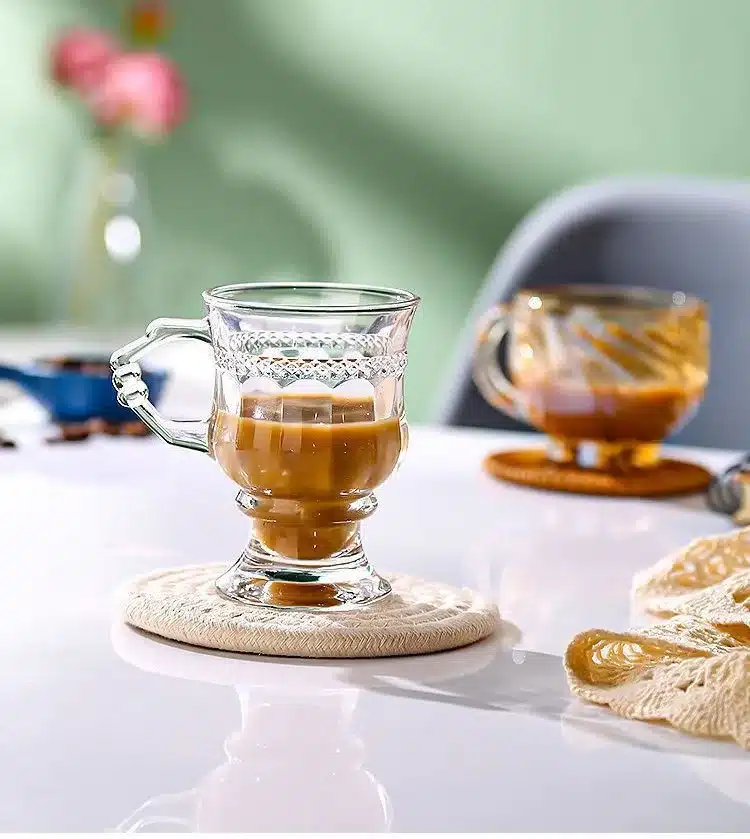
Heat Resistant Thick Glass Cup Luxurious European Style Teacup Coffee Cup Healthy Drink Mug Tea Mugs
For a durable and elegant option, consider our Heat Resistant Thick Glass Cup Luxurious European Style Teacup Coffee Cup Healthy Drink Mug Tea Mugs, which combines borosilicate glass with a classic design.
Frequently asked questions
Can heat resistant glass cups go in the microwave?
Yes, most heat resistant glass cups made from borosilicate glass are microwave-safe. However, always check the manufacturer’s instructions to be sure. Avoid microwaving cups with metallic accents.
How do I know if a glass cup is truly heat resistant?
Look for labels indicating borosilicate glass or specific temperature ratings. Reputable brands will mention heat resistance on the packaging or product page. Avoid cups made from standard soda-lime glass for hot beverages.
Is it safe to pour boiling water into a heat resistant glass cup?
Yes, as long as the cup is made from borosilicate glass and is in good condition. To be extra safe, pre-warm the cup with a small amount of hot water first, especially in cold environments.
Can I put a heat resistant glass cup in the freezer?
Some borosilicate glass cups are freezer-safe, but not all. Check the product specifications. Avoid extreme temperature changes, like moving from freezer to hot water, as this can cause thermal shock.
