
Blog
How to Choose High Quality Kitchen Knives
Buying Guide
Choose High Quality Kitchen Knives for Life
Choosing high quality kitchen knives can transform your cooking experience. A sharp, well-balanced knife makes prep work faster, safer, and more enjoyable.
Why Knife Quality Matters
A good knife is the most used tool in the kitchen. High quality kitchen knives hold a sharp edge longer, cut more precisely, and feel balanced in your hand. Cheap knives dull quickly, require frequent sharpening, and can be dangerous because you have to apply more force. Investing in quality means better performance, safety, and longevity.
Blade Steel: The Heart of the Knife
The steel determines edge retention, sharpness, and ease of maintenance. Common types include:
- Stainless steel: Resists rust, easy to care for, but may not hold the sharpest edge.
- High-carbon stainless: Combines carbon’s hardness with stainless’s corrosion resistance. Great for most home cooks.
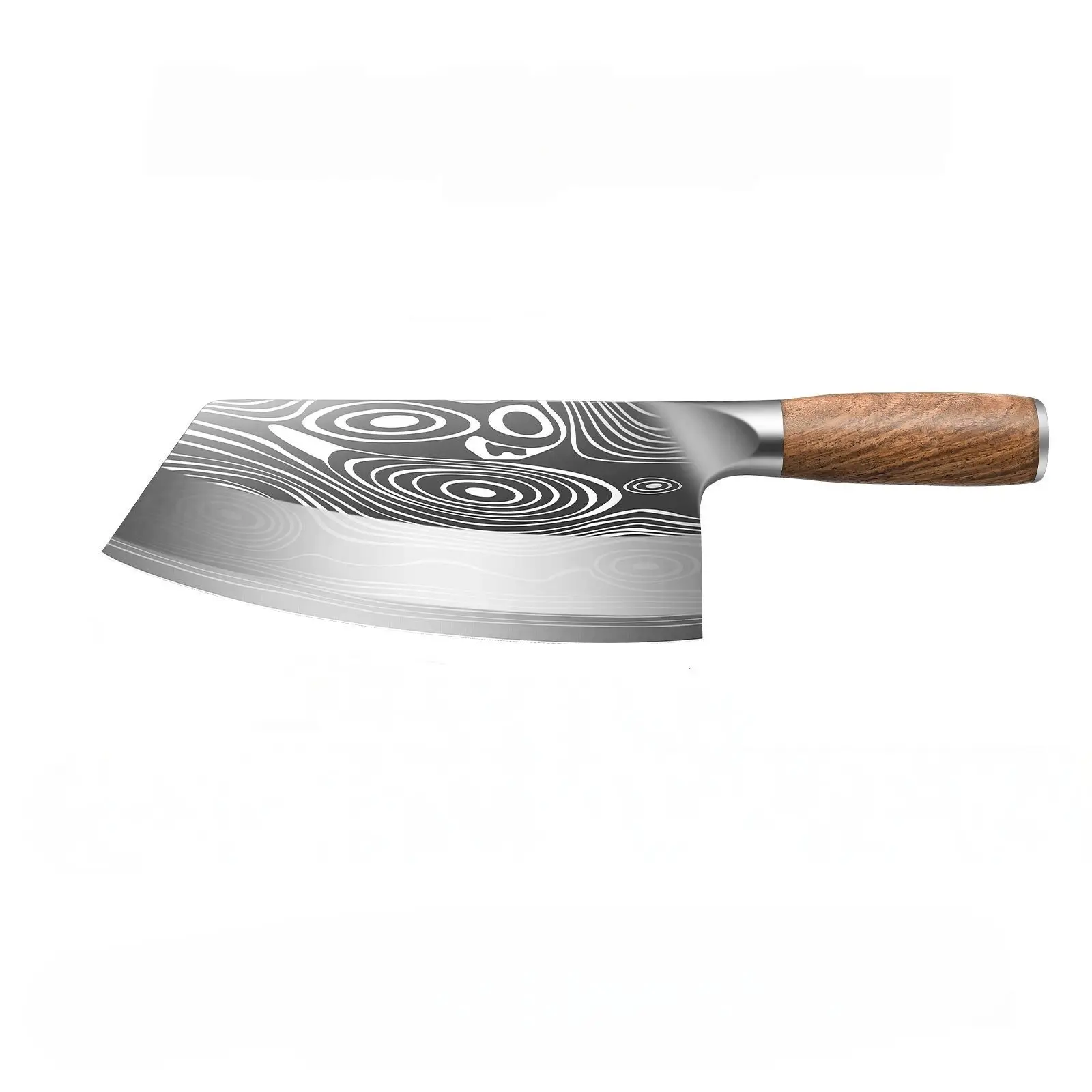
- Damascus steel: Layers of different steels create a beautiful pattern and excellent edge retention. Often considered top-tier for performance and aesthetics.
For most tasks, high-carbon stainless offers the best balance. Damascus steel, though pricier, provides superior sharpness and a unique look.
Blade Styles and Their Uses
Different knives serve different purposes. A chef’s knife (8-10 inches) is the workhorse for chopping, slicing, and dicing. A cleaver handles heavy-duty tasks like cutting through bones or squash. Paring knives are for small, precise work. Consider what you cook most often and choose accordingly. A good starter set includes a chef’s knife, a paring knife, and a serrated bread knife.
Handle Comfort and Balance
The handle should feel natural in your grip. Materials include wood, plastic, and metal. Wood handles, especially those with a full tang (metal extends through the handle), offer warmth and a secure grip. Check that the knife feels balanced—the weight should be comfortable, not blade-heavy or handle-heavy. A well-balanced knife reduces fatigue during long prep sessions.
Knife Maintenance for Longevity
Even the best knives need care. Hand wash and dry immediately; avoid dishwashers. Use a honing steel regularly to realign the edge. Sharpen with a whetstone or professional service when needed. Store in a knife block, magnetic strip, or blade guards to protect the edge. Proper maintenance keeps your knives performing like new for years.
Budget vs. Value
You don’t need to spend a fortune for good quality. Mid-range knives ($50-$150 per knife) often provide excellent performance and durability. Higher-end knives ($150+) offer premium materials and craftsmanship. Look for full tang, heat-treated steel, and a comfortable handle. Avoid sets with many unnecessary pieces; a few good knives are better than a dozen mediocre ones.
High Quality Kitchen Knives Damascus Steel Kitchen Chef Knife Meat Cleaver Knife with Wood Handle
For those seeking exceptional performance and beauty, our Damascus steel chef knife with a wood handle offers a lifetime of reliable cutting.
Frequently asked questions
What is the best steel for kitchen knives?
High-carbon stainless steel is a great all-rounder for most home cooks. Damascus steel offers superior edge retention and a unique pattern but costs more.
How often should I sharpen my knives?
Hone with a steel every few uses. Sharpen with a whetstone every 2-3 months for home use, or when the knife no longer cuts smoothly.
What knife should I buy first?
An 8-inch chef’s knife is the most versatile. It handles chopping, slicing, and dicing for most tasks.
Are wood-handled knives better?
Wood handles provide a warm, comfortable grip and are often found on high-quality knives. They require more care than synthetic handles but can last a lifetime.
