
Blog
The Ultimate Guide to Choosing a Hybrid Mattress Queen
Sleep Better
Your Guide to the Best Hybrid Mattress Queen
A hybrid mattress queen combines the best of both worlds—memory foam and innerspring coils—to deliver balanced support and comfort. Whether you’re upgrading your master bedroom or outfitting a guest room, understanding what makes a quality hybrid can save you time and money.
What Makes a Hybrid Mattress Queen Different?
A hybrid mattress queen typically features a layer of pocketed coils topped with one or more layers of foam or latex. This construction aims to provide the contouring pressure relief of foam with the responsive support and airflow of springs. The result is a sleep surface that minimizes motion transfer while keeping you cool—a common complaint with all-foam beds.
Compared to traditional innerspring or memory foam mattresses, a hybrid queen offers a middle ground: enough bounce to move easily, but enough sink to cradle pressure points. For couples, the individually wrapped coils reduce disturbance from a partner’s movements.
Key Factors in Choosing a Hybrid Mattress Queen
Not all hybrids are created equal. When shopping for a hybrid mattress queen, consider these aspects:
- Coil gauge and count: Thinner coils (lower gauge) feel softer; thicker coils (higher gauge) provide firmer support. A higher coil count generally means better edge support and durability.
- Foam layers: Look for high-density memory foam or latex. Gel-infused foams help with temperature regulation.
- Firmness: Most hybrids fall between medium and medium-firm, but preferences vary. Side sleepers often prefer softer, while stomach and back sleepers need firmer support.
- Thickness: A 10–12 inch profile is common. Thicker mattresses often include more comfort layers.
Firmness and Support for Different Sleep Positions
Your sleeping position determines how much pressure relief and spinal alignment you need. A hybrid mattress queen can accommodate all positions if chosen wisely.
Side Sleepers
Side sleepers need pressure relief at the shoulders and hips. A medium-soft to medium hybrid with plush top layers works well. Look for zoned support coils that are softer near the shoulders.
Back Sleepers
Back sleepers require even support to maintain the spine’s natural curve. A medium-firm hybrid offers the right balance of cushioning and pushback. The coil system should be supportive without sagging.
Stomach Sleepers
Stomach sleepers risk lower back pain if the mattress is too soft. A firm hybrid queen helps keep the hips from sinking. Dense foam layers and strong coils are essential.
Cooling and Breathability in a Hybrid Mattress Queen
Heat retention is a common issue with memory foam. Hybrids address this with innerspring coils that allow airflow. Many hybrids also incorporate gel-infused foams, breathable covers, or phase-change materials. If you sleep hot, prioritize a hybrid with open-cell foam or a cover made of natural fibers like cotton or Tencel.
For a deeper dive into mattress cooling technologies, see Wikipedia’s overview of mattress cooling.
Durability and Longevity of Hybrid Mattresses
A well-constructed hybrid mattress queen should last 7–10 years. Key durability factors include: coil quality (tempered steel), foam density (at least 1.8 pcf for memory foam), and edge support (reinforced coils or foam encasement). Rotating the mattress every 6 months can extend its life.
Look for brands that offer a 10-year warranty—a sign of confidence in their product. Avoid low-density foams that break down quickly.
Comparing Hybrid to Other Mattress Types
How does a hybrid mattress queen stack up against all-foam, innerspring, or latex beds? Here’s a quick comparison:
- All-foam: Excellent motion isolation, but may sleep hot and lack edge support.
- Innerspring: Good bounce and airflow, but often poor motion isolation and pressure relief.
- Latex: Durable and responsive, but heavy and expensive.
- Hybrid: Balances the above—good motion isolation, support, and cooling—but can be pricier than basic innerspring.
Who Should Choose a Hybrid Mattress Queen?
A hybrid mattress queen is ideal for combination sleepers who change positions, couples with different preferences, and anyone who wants the benefits of both foam and coils. It’s also great for heavier individuals because the coils provide robust support without excessive sinkage.
If you prioritize a balance of comfort and support, a hybrid is likely your best bet. However, if you strictly want a soft, hugging feel or a very firm surface, you might prefer an all-foam or traditional innerspring.
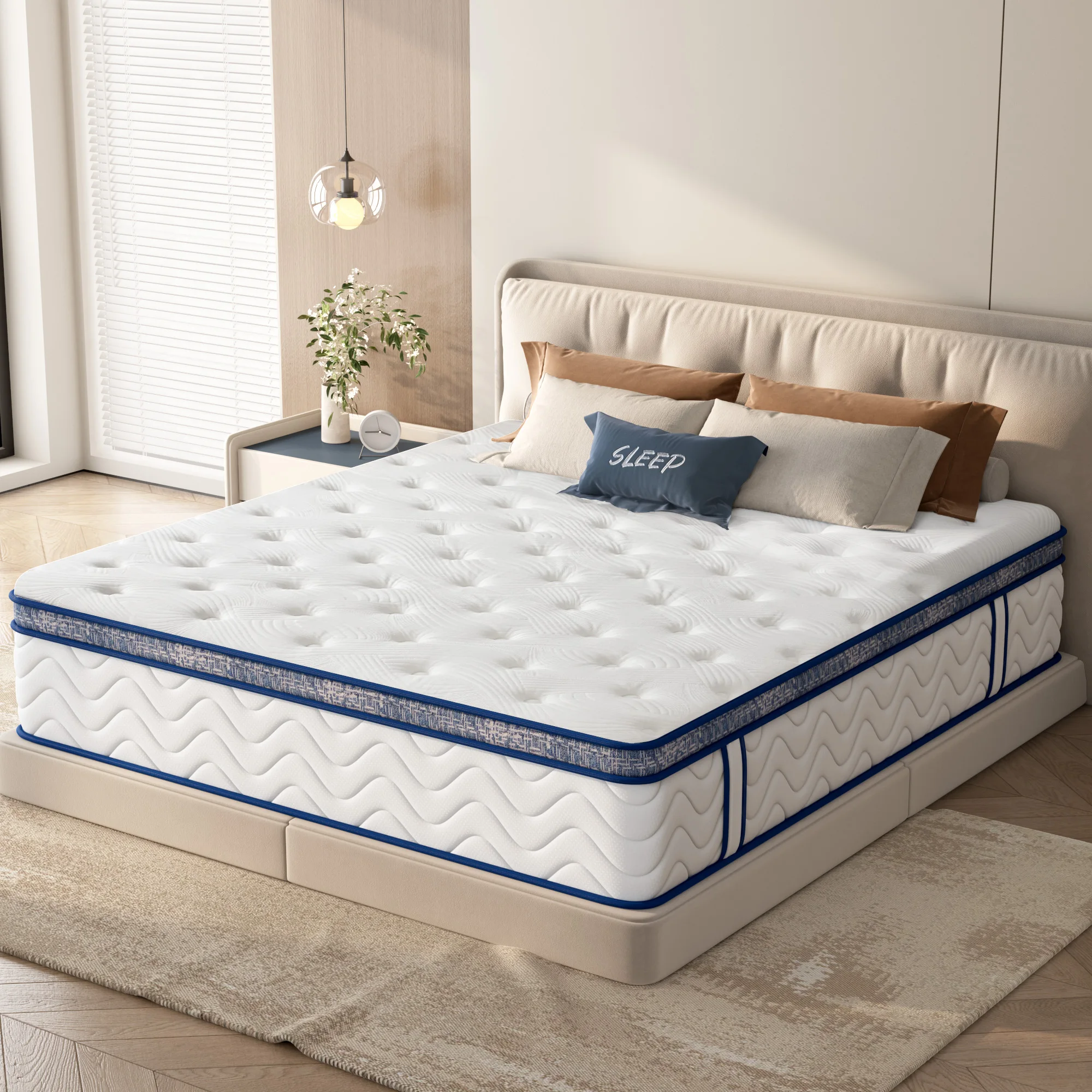
Goldoma Queen Hybrid Mattress 12 Inch – Individually Wrapped Coils & Memory Foam
For a well-rounded option, consider the Goldoma Queen Hybrid Mattress 12 Inch – Individually Wrapped Coils & Memory Foam, which combines durable pocketed coils with cooling gel memory foam for balanced support and comfort.
Frequently asked questions
How long does a hybrid mattress queen typically last?
A quality hybrid mattress queen can last 7–10 years with proper care. Factors like coil gauge, foam density, and usage affect longevity.
Is a hybrid mattress queen good for side sleepers?
Yes, many hybrids offer medium firmness with plush top layers that relieve pressure on shoulders and hips, making them suitable for side sleepers.
Do hybrid mattresses sleep cooler than memory foam?
Generally, yes. The coil layer allows better airflow, and many hybrids use cooling gels or breathable covers to reduce heat retention.
What is the best firmness for a hybrid mattress queen?
It depends on your sleeping position. Side sleepers often prefer medium, back sleepers medium-firm, and stomach sleepers firm. Most hybrids are medium-firm, which suits many.
