
Blog
Japanese Ceramic Bowl: A Complete Buying Guide
Ceramic Guide
The Art of the Japanese Ceramic Bowl
A Japanese ceramic bowl is more than just a vessel; it’s a piece of art that elevates everyday dining. In this guide, we explore the rich tradition, materials, and styles to help you find the perfect bowl for your table.
Why Choose a Japanese Ceramic Bowl?
Japanese ceramic bowls are prized for their exquisite craftsmanship, natural materials, and timeless aesthetics. Whether you’re serving miso soup, rice, or a delicate dessert, a Japanese ceramic bowl enhances the presentation and connects you to a centuries-old pottery tradition. These bowls are not only functional but also bring a sense of warmth and authenticity to your dining experience.
Key Materials: Porcelain, Stoneware, and Earthenware
Understanding the material of your Japanese ceramic bowl is crucial for its care and use. Porcelain is fired at high temperatures, resulting in a hard, translucent, and non-porous finish—ideal for everyday use and dishwasher-safe. Stoneware is durable and often features earthy glazes, perfect for hearty meals. Earthenware is more porous and rustic, requiring gentle hand washing. Each material offers a unique texture and weight, so consider your lifestyle and aesthetic preference.
Traditional Styles and Glazes
Japanese ceramic bowls come in various traditional styles, each with distinct characteristics. Raku bowls are hand-molded and often have irregular shapes, celebrating imperfection. Imari style features intricate, colorful patterns, while Shino offers a creamy white glaze with subtle crackles. Oribe bowls showcase bold green glazes and geometric designs. Explore these styles to find a bowl that resonates with your personal taste.
How to Care for Your Japanese Ceramic Bowl
Proper care ensures your Japanese ceramic bowl lasts for generations. Hand washing with mild detergent is recommended, especially for earthenware and hand-painted pieces. Avoid abrupt temperature changes to prevent cracking. Dishwasher and microwave use depend on the specific glaze and material; always check the manufacturer’s guidelines. Store bowls with padding between them to prevent scratches.
Using Your Bowl: From Sushi to Dessert
A Japanese ceramic bowl is incredibly versatile. Use it for sushi rice, miso soup, ramen, or even ice cream. The shape and depth influence the dining experience—wide bowls for sushi to showcase presentation, deep bowls for soups to retain heat. Experiment with different cuisines to fully appreciate the bowl’s design.
Where to Find Authentic Japanese Ceramic Bowls
When shopping for a Japanese ceramic bowl, look for reputable retailers that source from traditional kilns in Japan. Online marketplaces and specialty stores often provide details about the origin and craftsmanship. A genuine piece will have a mark from the potter or region. For more on Japanese pottery, visit Wikipedia’s page on Japanese pottery.
Choosing the Perfect Bowl for Your Home
Consider the bowl’s intended use, your decor style, and maintenance preferences. A set of matching bowls creates a cohesive table setting, while mixed styles add eclectic charm. Pay attention to size—a 4-5 inch diameter is standard for rice, while larger bowls suit salads or pasta. The weight and feel in your hand are also important; a balanced bowl enhances the dining experience.
Budget and Investment
Prices vary widely, from affordable machine-made options to high-end artisan pieces. A quality Japanese ceramic bowl is an investment in daily beauty. Even a single bowl can transform a simple meal into a ritual. Start with one or two versatile pieces and expand your collection over time.
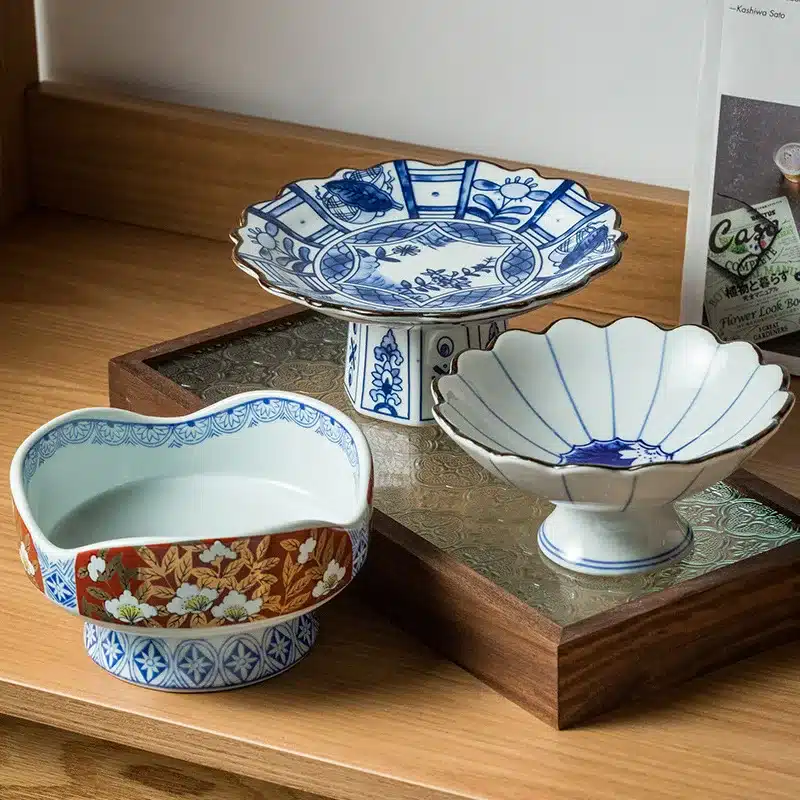
Imperial tall bowl Japanese retro ceramic bowl Restaurant Pastry sushi tableware
For a stunning example of a Japanese ceramic bowl, consider the Imperial tall bowl Japanese retro ceramic bowl Restaurant Pastry sushi tableware, which blends retro charm with everyday functionality.
Frequently asked questions
What is the difference between porcelain and stoneware Japanese ceramic bowls?
Porcelain is fired at higher temperatures, making it harder, more translucent, and non-porous. Stoneware is durable, often thicker, and has a more rustic feel. Both are excellent choices; porcelain is ideal for formal settings, while stoneware suits everyday use.
Can I put a Japanese ceramic bowl in the microwave?
It depends on the glaze and material. Many porcelain and stoneware bowls are microwave-safe, but earthenware and bowls with metallic glazes should not be microwaved. Always check the manufacturer’s instructions.
How do I identify an authentic Japanese ceramic bowl?
Look for a maker’s mark on the bottom, often in Japanese characters. Authentic bowls are typically heavier and have subtle irregularities from handcrafting. Buying from reputable dealers who source directly from Japan ensures authenticity.
What size Japanese ceramic bowl should I buy for everyday use?
A 5-inch diameter bowl is versatile for rice, soups, and small salads. For larger portions like pasta or ramen, choose a 7-8 inch bowl. Consider your typical serving sizes and the bowl’s depth.
