
Blog
Japanese Ceramic Bowls: A Complete Buying Guide
Buying Guide
The Art of Japanese Ceramic Bowls
Japanese ceramic bowls are more than just tableware—they’re a daily connection to centuries of craftsmanship. Whether you’re serving miso soup or a vibrant salad, choosing the right bowl enhances both the meal and the moment.
Why Choose Japanese Ceramic Bowls?
Japanese ceramic bowls are prized for their beauty, durability, and connection to nature. Made from natural clays and fired at high temperatures, they offer a warmth that mass-produced ceramics lack. Each piece tells a story of the potter’s skill and the region’s tradition. For a deeper dive into the history of Japanese pottery, visit Wikipedia’s page on Japanese pottery.
Key Styles of Japanese Ceramic Bowls
Understanding the main styles helps you pick the perfect bowl for your needs.
Raku Bowls
Raku bowls are hand-molded and low-fired, resulting in a soft, porous body. They are often used in tea ceremonies due to their rustic, organic feel.
Mino Ware (Mino-yaki)
Mino ware is one of Japan’s most produced ceramics, known for its variety of glazes and patterns, including Shino and Oribe styles. These bowls are versatile and durable.
Seto Ware (Seto-yaki)
Seto ware is the oldest pottery center in Japan, famous for its celadon and iron glazes. Bowls from Seto have a refined, elegant appearance.
Imari Ware (Imari-yaki)
Imari ware is characterized by its vibrant overglaze enamels, often in red, blue, and gold. These bowls are decorative and perfect for special occasions.
How to Choose the Right Japanese Ceramic Bowl
Consider how you’ll use the bowl. For daily meals, opt for sturdy, dishwasher-safe pieces like Mino ware. For tea ceremonies, a handcrafted Raku bowl adds authenticity. Think about size: small bowls (10-12 cm) for rice or condiments, medium (13-15 cm) for soups or salads, and large (16+ cm) for noodle bowls or serving dishes.
Material Matters: Porcelain vs. Stoneware vs. Earthenware
Japanese ceramic bowls are made from different clays, each with unique properties.
- Porcelain: White, translucent, and non-porous. It’s strong and chip-resistant, ideal for everyday use.
- Stoneware: Dense and durable, often with a natural, earthy look. It holds heat well, making it great for hot soups.
- Earthenware: Porous and rustic, with a soft texture. It requires careful handling and is not always microwave or dishwasher safe.
Glaze and Pattern Selection
The glaze not only protects the bowl but also defines its appearance. Glossy glazes are easy to clean, while matte glazes offer a subtle, modern look. Patterns range from minimalist (solid colors, simple lines) to intricate (floral, geometric). Choose a pattern that complements your table setting and personal style.
Caring for Your Japanese Ceramic Bowls
Proper care extends the life of your bowls. Most are dishwasher safe, but hand washing with mild soap is gentler. Avoid sudden temperature changes to prevent cracking. Store bowls with dividers or cloth between them to prevent scratches. If a bowl has a crack, it’s safer to retire it from food use.
Where to Use Japanese Ceramic Bowls
These bowls are incredibly versatile. Use them for everyday meals like rice, miso soup, and salads. They also shine in entertaining—serve appetizers, desserts, or even use as small vases. Their timeless design fits modern, rustic, or traditional decor.
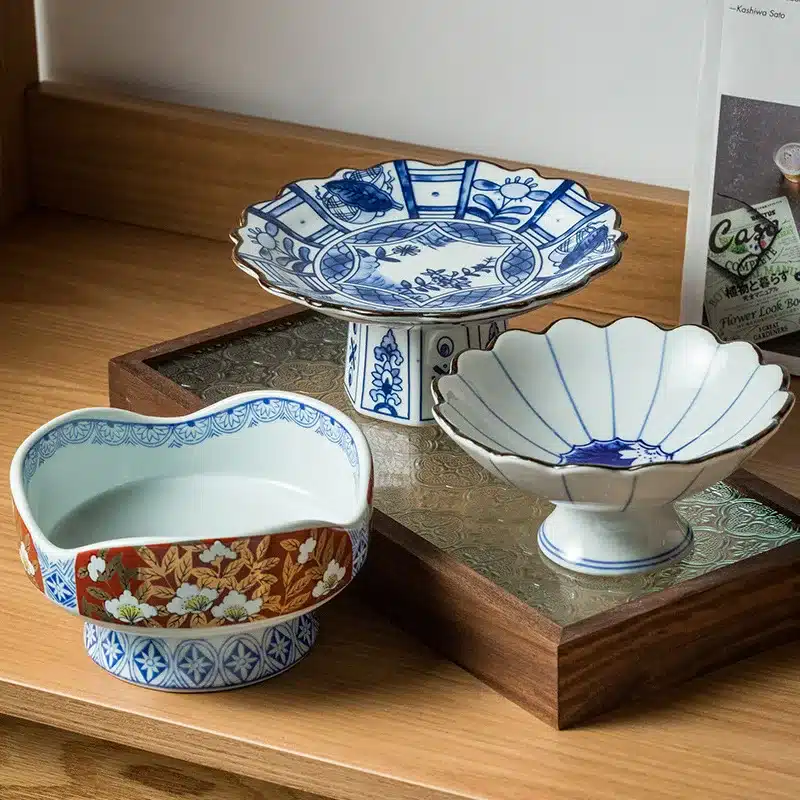
Imperial tall bowl Japanese retro ceramic bowl Restaurant Pastry sushi tableware
For a versatile option that blends retro charm with everyday utility, consider the Imperial tall bowl Japanese retro ceramic bowl Restaurant Pastry sushi tableware.
Frequently asked questions
What are Japanese ceramic bowls made of?
They are made from natural clays like porcelain, stoneware, or earthenware, each fired at different temperatures for unique properties.
Are Japanese ceramic bowls microwave and dishwasher safe?
Many are, but it depends on the specific glaze and clay. Stoneware and porcelain bowls are generally safe, while earthenware may be more delicate.
How do I clean and maintain Japanese ceramic bowls?
Hand wash with mild soap and avoid abrasive scrubbers. Sudden temperature changes can cause cracking, so let hot bowls cool before washing.
Can Japanese ceramic bowls be used for baking?
Some stoneware and porcelain bowls are oven-safe, but always check the manufacturer’s guidelines. Earthenware is not suitable for oven use.
