
Blog
The Ultimate Guide to Choosing a King Bed with Headboard
Buying Guide
How to Choose the Best King Bed with Headboard
A king bed with headboard is the centerpiece of any master bedroom, offering both comfort and style. Whether you’re upgrading your space or starting fresh, this guide will help you make an informed decision.
Why a King Bed with Headboard is a Smart Investment
A king bed with headboard provides ample sleeping space while anchoring the room’s design. Beyond aesthetics, a headboard offers practical benefits: it protects the wall from scuffs, provides a comfortable backrest for reading or watching TV, and can even include storage options. According to the Wikipedia article on beds, headboards have been used for centuries to add warmth and structure to sleeping areas.
Key Features to Look for in a King Bed with Headboard
When shopping for a king bed with headboard, consider these essential features:
- Frame Material: Solid wood offers durability and a classic look, while metal frames are lightweight and modern. Upholstered headboards add softness and are available in various fabrics.
- Headboard Height and Angle: Taller headboards make a statement, while lower ones suit minimalist spaces. An angled headboard provides better support for sitting up.
- Storage Options: Some king beds with headboard include built-in shelves, drawers, or under-bed storage, maximizing space in smaller rooms.
- Assembly and Support: Look for sturdy slats or a center support leg to prevent sagging. Platform beds eliminate the need for a box spring.
Popular Styles of King Beds with Headboard
Your choice of style sets the tone for the entire bedroom. Here are the most popular types:
Mid-Century Modern
Characterized by clean lines, tapered legs, and organic shapes, mid-century modern king beds with headboard often feature walnut or teak finishes. Pair with geometric patterns and natural textures.
Upholstered Beds
Tufted or padded headboards add a touch of luxury. Choose velvet, linen, or leather in neutral or bold colors. Upholstered beds are ideal for those who love to read or sit up in bed.
Platform Beds
Low-profile platform beds offer a sleek, contemporary look. Many include built-in storage drawers underneath. They work well in modern or industrial-themed rooms.
Traditional Panel Beds
Classic panel headboards feature raised or recessed panels, often in dark wood finishes. They suit formal or traditional decor and can be paired with ornate bedding.
How to Choose the Right Upholstery and Color
The fabric of an upholstered king bed with headboard affects both comfort and maintenance. Velvet feels luxurious but may require more care. Linen is breathable and casual, while leather is easy to clean and ages well. Color-wise, neutral tones like gray, beige, or navy complement most palettes, while bold hues like emerald green or mustard yellow make a statement. Consider your existing wall color, flooring, and bedding when selecting.
Measuring Your Space for a King Bed with Headboard
Before purchasing, measure your room to ensure a proper fit. A standard king bed is 76 inches wide and 80 inches long. Add at least 24 inches of clearance on each side for nightstands and walking space. Account for the headboard’s thickness and height—if it’s very tall, it might overwhelm a low-ceilinged room. Also check that the bed frame can fit through doorways and hallways during delivery.
Material Matters: Wood vs. Metal vs. Upholstered
Each material offers distinct advantages:
- Wood: Durable, timeless, and available in many finishes. Teak and walnut are especially sturdy and resistant to wear.
- Metal: Lightweight, often more affordable, and comes in various designs from ornate wrought iron to minimalist steel.
- Upholstered: Provides the softest backrest, dampens noise, and adds a cozy feel. However, fabric can stain and may need professional cleaning.
Your choice should align with your lifestyle—if you have pets or children, leather or easy-clean fabrics might be best.
Assembly and Maintenance Tips for Your King Bed with Headboard
Most king beds with headboard require some assembly. Ensure you have the right tools (often just an Allen wrench and screwdriver) and follow the instructions carefully. For upholstered beds, vacuum the headboard regularly and spot-clean spills immediately. Wood frames benefit from occasional dusting and polishing. Tighten screws every few months to prevent squeaking. A well-maintained bed can last for decades.
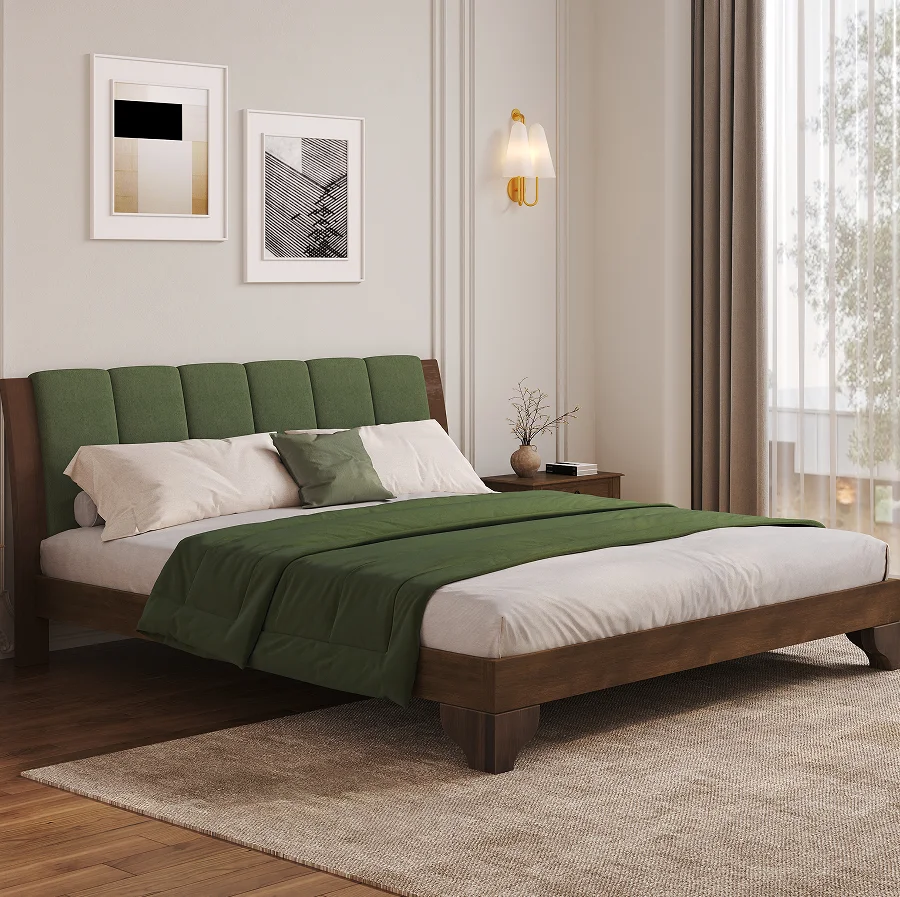
Goldoma Teak Wood King Bed Frame with Headboard – Mid-Century Modern Tufted Upholstered Bed in Walnut Green
For those seeking a blend of mid-century charm and modern comfort, the Goldoma Teak Wood King Bed Frame with Headboard – Mid-Century Modern Tufted Upholstered Bed in Walnut Green offers a sturdy teak frame with a plush tufted headboard in a rich green hue.
Frequently asked questions
What is the standard size of a king bed with headboard?
A standard king bed measures 76 inches wide by 80 inches long. The headboard height varies, but typical heights range from 36 to 60 inches. Always measure your room and doorways before purchasing.
Do I need a box spring with a king bed with headboard?
It depends on the frame. Many modern king beds with headboard are platform-style with sturdy slats, eliminating the need for a box spring. Check the manufacturer’s recommendations; some frames require a box spring for proper support.
How do I clean an upholstered king bed headboard?
Regular vacuuming with a brush attachment removes dust. For stains, blot gently with a mild detergent solution and water, then dry with a clean cloth. Avoid soaking the fabric. For delicate fabrics like velvet, consider professional cleaning.
Can I attach my own headboard to a king bed frame?
Yes, many bed frames have pre-drilled holes or brackets for attaching a separate headboard. Ensure the headboard’s width matches the bed frame (76 inches for king) and that the mounting hardware is compatible.