
Blog
The Ultimate Guide to Choosing Kitchen Potholders
Buying Guide
Your Essential Kitchen Potholders Buying Guide
Choosing the right kitchen potholders can make a world of difference in your cooking safety and comfort. Whether you’re a seasoned home chef or just starting out, having reliable protection from heat is non-negotiable.
Why Quality Kitchen Potholders Matter
In the hustle of a busy kitchen, a good set of kitchen potholders is your first line of defense against burns. They not only protect your hands but also help you handle hot pots, pans, and baking dishes with confidence. Cheap, thin potholders can transfer heat quickly, leading to accidents. Investing in well-made potholders ensures safety and longevity.
Key Features to Look for in Kitchen Potholders
Material Matters
Cotton is a popular choice for its breathability and heat resistance. Look for thick, quilted cotton that provides a good barrier. Some potholders also incorporate silicone grips for extra safety.
Thickness and Insulation
Thicker potholders generally offer better protection. A minimum of 2-3 layers of fabric is recommended. Check the heat resistance rating—most cotton potholders can handle up to 400°F, but more robust options go higher.
Size and Shape
Standard square potholders around 7-8 inches (18-20 cm) work well for most tasks. Larger ones can double as trivets or placemats. Consider a set with different sizes for versatility.
Grip and Handling
A non-slip surface or textured fabric helps you hold onto slippery handles. Some potholders have a hanging loop for easy storage.
Cotton vs. Silicone: Which Is Better?
Both materials have their pros and cons. Cotton potholders are flexible, absorbent, and can be washed easily. They offer a classic look and feel. Silicone potholders are waterproof and provide excellent grip, but they can be less flexible and may not breathe as well. Many cooks prefer cotton for its comfort and heat protection.
How to Care for Your Potholders
To extend the life of your kitchen potholders, wash them regularly in warm water with mild detergent. Avoid bleach, which can weaken fibers. Air dry or tumble dry on low heat. Replace potholders if they become frayed, stained, or if the padding starts to thin.
Using Potholders Safely
Always check that your potholder is dry before using it—wet fabric conducts heat faster. Never use a potholder that is torn or has holes. For extra protection, double up when handling very hot items. Remember that potholders are not oven mitts; they are best for grasping handles rather than reaching into a hot oven.
Potholders as Multifunctional Kitchen Tools
Beyond protecting your hands, potholders can serve as trivets for hot dishes, placemats for casual dining, or even as a protective layer when opening jars. Their versatility makes them a staple in any kitchen.
For more information on heat-resistant materials, see Wikipedia’s article on heat-resistant fabrics.
5Pcs/Pack 16.5×16.5cm Square Sewing Cotton Heat Resistant Potholder Pot Holder Pads Table Placemat Kitchen Baking Tool
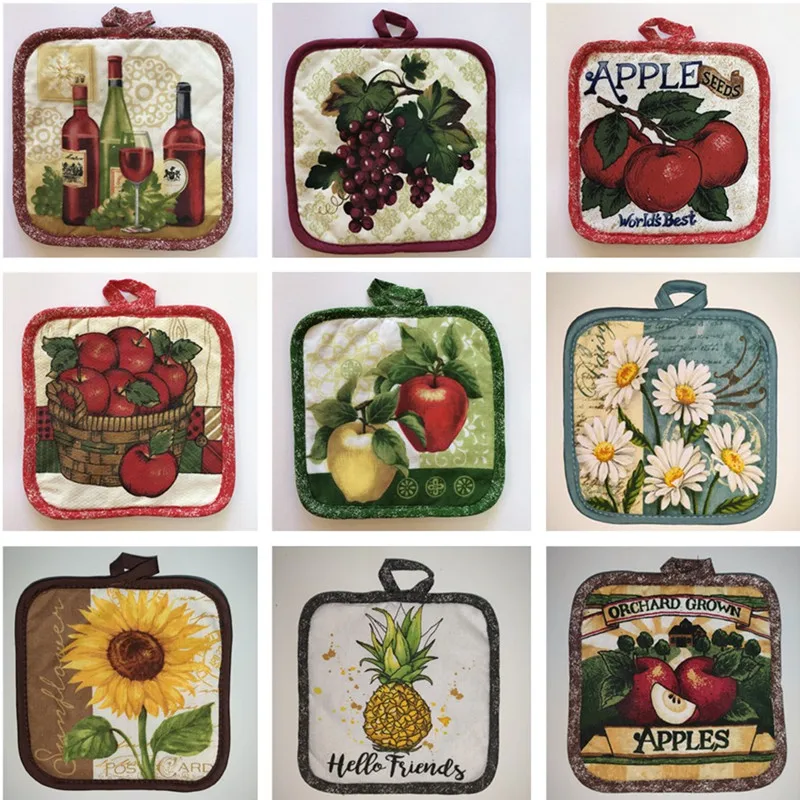
For a reliable and stylish option, consider our 5Pcs/Pack 16.5×16.5cm Square Sewing Cotton Heat Resistant Potholder Pot Holder Pads, which combine ample size with durable cotton construction.
Frequently asked questions
What is the best material for kitchen potholders?
Cotton is widely considered the best material due to its heat resistance, breathability, and ease of washing. Thick, quilted cotton offers excellent protection.
How often should I replace my potholders?
Replace potholders when they show signs of wear like fraying, thinning, or burns. With regular use, every 6-12 months is a good rule of thumb.
Can potholders be used as trivets?
Yes, many potholders are heat-resistant enough to double as trivets for hot pots and dishes. Check the heat rating to be safe.
Are silicone potholders better than cotton?
It depends on your needs. Silicone offers better grip and is waterproof, but cotton is more flexible and comfortable. Many cooks prefer cotton for everyday use.
