
Blog
Kitchen Sideboard Cabinet Buying Guide: Style & Storage
Storage Guide
Find Your Perfect Kitchen Sideboard Cabinet
A kitchen sideboard cabinet is more than extra storage—it’s a chance to add character and organization to your space. Whether you need a place for dishes, glasses, or daily essentials, the right sideboard can transform how your kitchen functions.
Why a Kitchen Sideboard Cabinet Belongs in Your Home
A kitchen sideboard cabinet offers versatile storage and display options, bridging the gap between a buffet and a credenza. It’s perfect for keeping countertops clutter-free while showcasing your favorite ceramics or cookbooks. Unlike wall cabinets, a sideboard provides a horizontal surface for serving or decorating, making it a multitasking piece you’ll use daily.
Think of it as the anchor of your kitchen’s workflow. From storing bulky appliances to holding linens, the right sideboard can streamline meal prep and hosting. Plus, it adds a layer of warmth that open shelving can’t match.
Choosing the Right Size and Scale
Before you shop, measure your available space. A kitchen sideboard cabinet should leave enough room for traffic flow—aim for at least 36 inches of clearance in front. Standard widths range from 30 to 72 inches, with depths between 15 and 20 inches. Height typically falls around 30 to 36 inches, aligning with counter height for easy access.
If your kitchen is compact, consider a slim 30-inch model. For larger rooms, a 60-inch sideboard can anchor a dining area or empty wall. Always account for door and drawer swing when positioning.
Material Matters: Wood, Metal, and More
Solid wood (oak, walnut, pine) offers durability and timeless appeal. MDF with a wood veneer is budget-friendly and resists warping in humid kitchens. For an industrial look, consider metal frames with wood shelves. Glass-front doors add lightness but require more upkeep.
Learn more about wood types from Wikipedia’s wood article. The finish matters too—matte or satin hides fingerprints better than gloss. If you have kids, wipe-clean surfaces like laminate are practical.
Storage Features That Make a Difference
Look for adjustable shelves to accommodate tall bottles or small appliances. Drawers with soft-close hardware prevent slamming, and deep drawers are ideal for bulky items. Wine racks, stemware holders, and built-in charging stations are bonus features.
Consider a kitchen sideboard cabinet with a mix of open and closed storage: open shelving for display, closed cabinets for hiding clutter. A pull-out shelf for a microwave or coffee maker adds function without sacrificing style.
Style Options: From Farmhouse to Modern
Your sideboard should complement existing decor. Farmhouse styles feature beadboard, turned legs, and distressed finishes. Mid-century modern pieces have tapered legs and walnut veneer. Contemporary designs often have sleek handles or touch-latch doors.
Color matters too: white and light gray keep a room airy, while navy or black adds drama. For a cohesive look, match the sideboard’s finish to your kitchen cabinet hardware or flooring.
Organizing Your Kitchen Sideboard Cabinet
Maximize the piece with vertical dividers for baking sheets and cutting boards. Use bins or baskets for small items like spices or tea bags. A lazy Susan inside a deep cabinet works wonders for pots. Label drawer fronts for quick access.
Keep daily-use items at waist height—plates, glasses, coffee supplies—and reserve lower shelves for heavy appliances or extra pantry goods. Surface top with a tray for keys, mail, or a plant to keep it tidy.
Placement Ideas for Your Sideboard
Common spots include along a blank wall, under a window, or as a room divider in open-concept spaces. In a galley kitchen, a slim sideboard against the far wall adds prep space. For dining rooms, use it as a buffet for serving meals.
If you have a breakfast nook, a kitchen sideboard cabinet can double as a coffee or tea station. Add a backsplash tile or mirror above to make it a focal point.
Maintenance Tips for Longevity
Dust regularly with a soft cloth. For wood, use a gentle cleaner and avoid excess water. Tighten hardware annually. Protect surfaces from heat with trivets and from scratches with felt pads under decor items.
If the sideboard is near a stove or sink, consider a glass or metal top for easier cleaning. Rotate stored items seasonally to prevent stagnation and dust buildup.
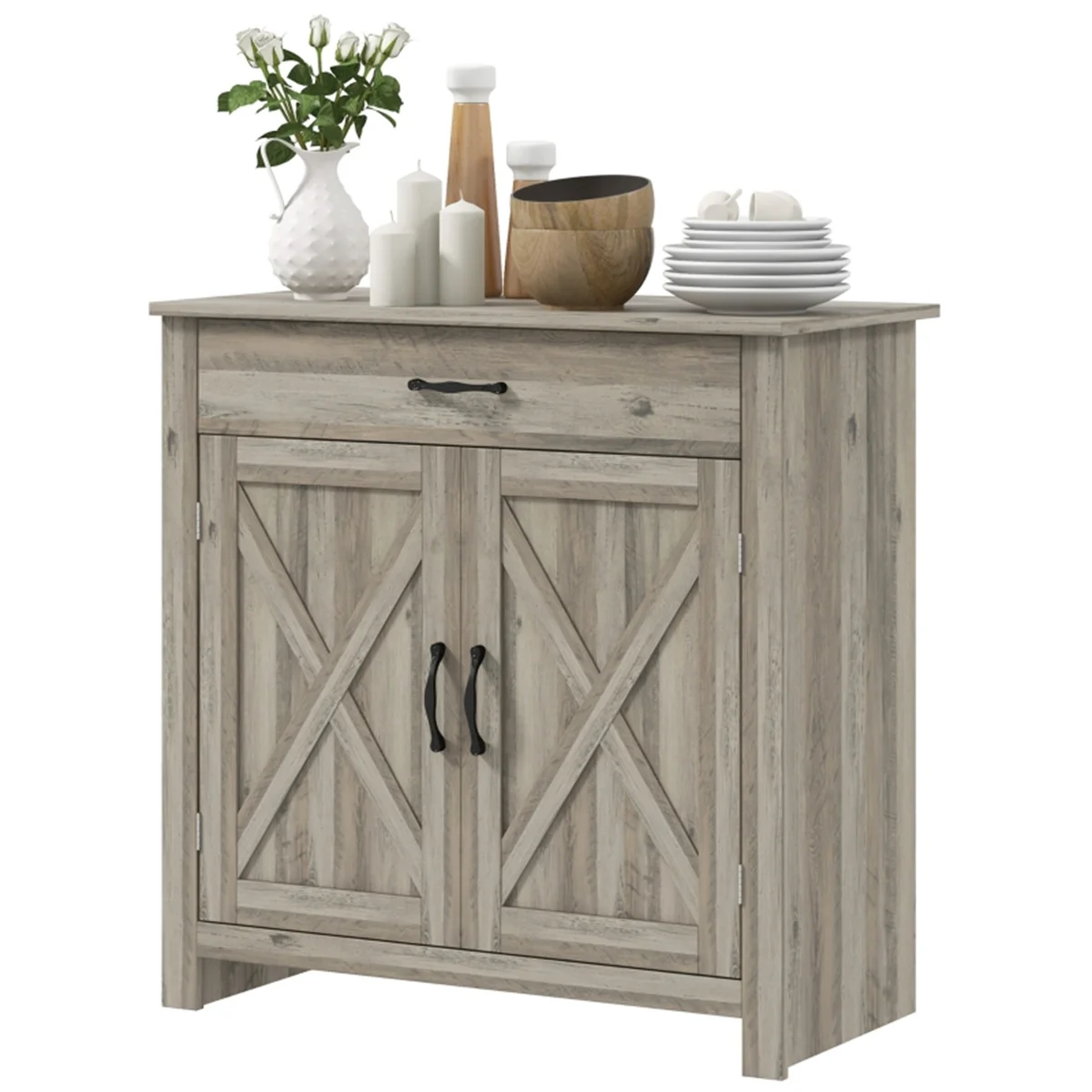
Kitchen Sideboard Storage Cabinet Coffee Bar
For a blend of style and practicality, consider the Goldoma Kitchen Sideboard Storage Cabinet Coffee Bar, designed to maximize your kitchen’s storage without compromising on aesthetics.
Frequently asked questions
What is the standard height of a kitchen sideboard cabinet?
Most kitchen sideboard cabinets are 30 to 36 inches tall, matching standard counter height for easy access. Some designs may be slightly taller or shorter depending on style and function.
Can a kitchen sideboard cabinet be used in a dining room?
Absolutely. A kitchen sideboard cabinet works beautifully as a dining room buffet for storing tableware, linens, and serving dishes. Its versatility makes it a great cross-functional piece.
How do I choose between open and closed storage?
Consider your clutter tolerance. Open shelves are great for displaying attractive items, while closed cabinets hide everyday mess. A mix of both offers flexibility—display a few pieces, tuck away the rest.
What is the best material for a kitchen sideboard cabinet?
Solid wood is most durable and can be refinished. MDF with veneer is cost-effective and moisture-resistant if sealed properly. For high-humidity kitchens, consider metal or laminate options.