
Blog
How to Choose the Perfect L Shaped Executive Desk
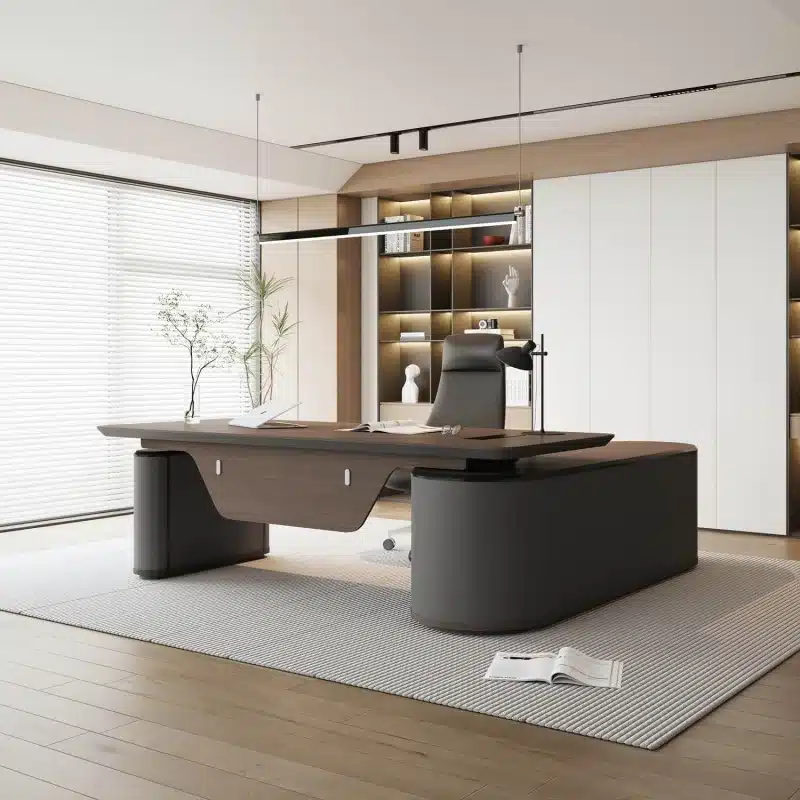
Buying Guide
L Shaped Executive Desk: Your Ultimate Buying Companion
An L shaped executive desk can transform your workspace, offering ample surface area and a command presence. But choosing the right one involves more than just picking a style—it’s about fit, function, and future-proofing your office.
Why Choose an L Shaped Executive Desk?
An L shaped executive desk is more than just a piece of furniture; it’s a strategic investment in your daily productivity and comfort. Unlike standard rectangular desks, the L-shape provides two distinct work zones: one for your primary tasks like computing or writing, and another for auxiliary activities like meetings or reference materials. This layout encourages efficient workflow, reduces clutter, and can even improve your posture by allowing you to alternate between tasks without constantly shifting your chair.
Moreover, the L-shaped configuration naturally defines your personal territory in an open-plan office, offering a sense of ownership and focus. For home offices, it can carve out a dedicated workspace that feels separate from living areas, enhancing both concentration and work-life balance.
Key Factors to Consider When Selecting an L Shaped Executive Desk
Choosing the right L shaped executive desk requires careful thought. Here are the critical factors to weigh before making a purchase:
- Available Space: Measure your room meticulously. An L-shaped desk needs a footprint that allows for comfortable movement around it. Ensure there’s at least 36 inches of clearance on all sides for chairs and traffic flow.
- Workflow Needs: Consider how you work. Do you need ample surface for blueprints, a separate area for a second monitor, or a spot for a printer? The longer and shorter legs of the L should match your daily tasks.
- Ergonomics: The desk height should align with your seated posture. Most standard desks are 29-30 inches high, but if you’re taller or shorter, look for adjustable options or plan for a keyboard tray.
- Material and Durability: Executive desks often come in wood veneer, solid wood, or metal. Solid wood offers classic elegance but may require more maintenance, while high-quality veneers are durable and cost-effective.
- Storage and Cable Management: Look for built-in drawers, hutches, or cable grommets to keep your workspace organized. A cluttered desk can hinder productivity.
Materials and Build Quality: What to Look For
The material of your L shaped executive desk dictates not only its aesthetic but also its longevity. Here’s a breakdown of common options:
- Solid Wood: Timeless and sturdy, solid wood desks (like oak or walnut) age beautifully and can last decades. They’re heavier and pricier but offer unmatched warmth and character.
- Wood Veneer: This is a thin slice of real wood over engineered wood, giving a similar look at a lower cost. It’s more resistant to warping and scratches, making it a practical choice for busy offices.
- Metal and Glass: For a modern or industrial vibe, metal frames with glass or wood tops offer a sleek, minimalist look. They’re often lighter and easier to move, but may show fingerprints and require careful handling.
- Laminate: Durable and easy to clean, laminate desks come in a wide range of finishes, including wood grain patterns. They’re budget-friendly but may not have the same upscale feel.
When evaluating build quality, check the thickness of the desktop (at least 1 inch for stability), the joinery (dovetail or mortise-and-tenon for wood), and the finish (smooth, even, and resistant to moisture).
Ergonomics: Designing for Comfort and Health
An L shaped executive desk should work with your body, not against it. Proper ergonomics can prevent fatigue, strain, and long-term health issues. Here are essential ergonomic considerations:
- Desk Height: When seated, your elbows should be at a 90-degree angle with your forearms parallel to the floor. If the desk is too high or low, adjust your chair or add a footrest.
- Monitor Placement: The top of your screen should be at or slightly below eye level, about an arm’s length away. Use the L-shape to position your primary monitor directly in front of you and secondary screens at a slight angle.
- Keyboard and Mouse: Keep them at the same level as your elbows to avoid wrist strain. Consider a keyboard tray if the desk is too high.
- Legroom: Ensure there’s ample space under the desk for your legs to stretch and move. Avoid drawers or modesty panels that restrict leg movement.
Remember, even the best desk can’t compensate for poor habits. Take regular breaks, stretch, and alternate between sitting and standing if possible.
Space Planning: Fitting the Desk into Your Office
Before you buy an L shaped executive desk, visualize how it will fit in your room. A common mistake is underestimating the space needed for both the desk and your chair. Here’s how to plan effectively:
- Measure the room: Note the dimensions, window placements, doors, and electrical outlets.
- Sketch a floor plan: Use graph paper or a digital tool to place the desk. Remember to account for the chair’s swivel radius (about 60 inches) and any file cabinets or bookshelves.
- Consider the L-shape orientation: If you want to face the room, position the longer leg against a wall. If you prefer a view, angle the desk so the shorter leg faces the window.
- Leave breathing room: Ensure at least 36 inches of walkway behind the chair. For a home office, this prevents the space from feeling cramped.
If your room is small, consider a compact L-shaped desk with a smaller footprint or one with a hutch for vertical storage.
Style and Aesthetics: Matching Your Office Decor
Your L shaped executive desk is a focal point, so it should reflect your personal style and complement your office’s overall design. Here are popular styles to consider:
- Traditional: Rich wood tones, ornate details, and classic silhouettes evoke a sense of heritage and authority.
- Modern: Clean lines, minimal ornamentation, and materials like glass, metal, or matte laminates create a sleek, forward-thinking look.
- Industrial: Exposed metal frames, reclaimed wood, and utilitarian features bring a raw, edgy vibe.
- Scandinavian: Light woods, simple forms, and functionality define this cozy yet efficient style.
Don’t forget the color: dark finishes like espresso or walnut add gravitas, while lighter shades like oak or white make a room feel larger. Match the desk to your existing furniture for a cohesive look, or use it as a statement piece.
Budget and Value: Getting the Most for Your Money
L shaped executive desks range from a few hundred to several thousand dollars. Setting a realistic budget helps narrow your options. Here’s what to expect:
- Entry-level ($200-$500): Usually laminate or MDF with simple designs. They may lack durability but are fine for light use.
- Mid-range ($500-$1500): Better materials like veneer over engineered wood, sturdier construction, and more features like drawers and cable management.
- High-end ($1500+): Solid wood, premium finishes, and exceptional craftsmanship. These are heirloom pieces that last a lifetime.
Consider the long-term value: a slightly higher upfront cost for a durable desk can save money over time. Also, factor in shipping and assembly costs—some desks require professional installation.
Maintenance and Care: Keeping Your Desk Pristine
To ensure your L shaped executive desk retains its beauty for years, proper care is essential. Here are some tips:
- Dust regularly: Use a soft, dry cloth to remove dust and prevent scratches.
- Clean spills immediately: Wipe up liquids with a damp cloth and dry thoroughly to avoid water stains.
- Use coasters and pads: Protect the surface from hot mugs, sharp objects, and ink.
- Polish wood surfaces: Use a high-quality furniture polish every few months to nourish the wood.
- Avoid direct sunlight: Prolonged exposure can fade the finish. Use blinds or curtains.
For metal parts, wipe with a mild cleaner and avoid abrasive pads. Check screws and joints periodically to keep the desk stable.
Final Thoughts: Making the Right Choice
Choosing an L shaped executive desk is a personal decision that balances functionality, aesthetics, and budget. By considering your space, workflow, and style preferences, you can find a desk that not only meets your needs but also enhances your daily work experience. Remember to prioritize ergonomics and quality to ensure long-term satisfaction.
For more insights on office design and furniture, you can explore ergonomics on Wikipedia to deepen your understanding of creating a healthy workspace.
L Shape Director Table Office Manager Executive Office Desk Office Table With Side Table
If you’re looking for a reliable and stylish option, the L Shape Director Table Office Manager Executive Office Desk Office Table With Side Table from Goldoma offers a practical design with a side table for extra convenience.
Frequently asked questions
What is the standard height for an L shaped executive desk?
The standard height for an L shaped executive desk is typically 29 to 30 inches, which is designed to accommodate most seated users. However, for optimal ergonomics, you may need to adjust with a chair or footrest to ensure your arms are at a 90-degree angle.
How much space do I need for an L shaped executive desk?
You’ll need at least 60 inches of width and 40 inches of depth for the desk itself, plus additional clearance of about 36 inches on all sides for chair movement and walking paths. Measure your room and sketch a floor plan to ensure a comfortable fit.
Can I use an L shaped executive desk in a small home office?
Yes, but you should look for compact models with a smaller footprint, such as those with a shorter return. Also, consider using wall-mounted shelves or a hutch to maximize vertical storage and free up floor space.
What is the best material for an L shaped executive desk?
The best material depends on your needs and budget. Solid wood offers durability and classic beauty but is heavier and more expensive. Wood veneer provides a similar look at a lower cost, while laminate is budget-friendly and easy to care for. Choose based on your style and usage.
