
Blog
Large Metal Planter Ideas for Modern Gardens
Garden Essentials
Large Metal Planter: The Ultimate Garden Upgrade
A large metal planter can transform your outdoor space, offering durability and style in one package. Whether you’re a seasoned gardener or a novice, this guide will help you make an informed choice.
Why Choose a Large Metal Planter?
Metal planters have surged in popularity, and for good reason. They bring a modern, clean aesthetic that complements both contemporary and traditional gardens. Unlike plastic or terracotta, metal offers exceptional longevity, resisting cracks and breaks that often plague other materials. A large metal planter can serve as a striking focal point, anchoring your garden design with its substantial presence.
Moreover, metal is incredibly versatile. It can be powder-coated in a rainbow of colors, from vibrant reds to subtle grays, allowing you to match your planter to your existing decor. The material also conducts heat well, which can be beneficial for plants that thrive in warmer soil conditions. However, this same property means you’ll need to monitor moisture levels, as metal can dry out soil faster than other materials.
Materials: Steel, Aluminum, or Corten?
The term ‘metal planter’ encompasses several materials, each with unique characteristics. Steel is the most common, prized for its strength and affordability. Galvanized steel, coated with zinc, resists rust, making it ideal for outdoor use. Corten steel, on the other hand, develops a protective rust-like patina over time, which many find beautiful and which prevents further corrosion.
Aluminum is lighter and naturally rust-resistant, but it can be prone to denting. For a large planter that needs to withstand the elements, steel is often the best choice. When shopping, look for powder-coated finishes, which add an extra layer of protection and color stability. According to Wikipedia, weathering steel, like Corten, is designed to form a stable rust layer, making it a popular choice for architectural features.
Sizing and Placement: Getting It Right
Size matters when it comes to large metal planters. A planter that’s too small for its location can look insignificant, while one that’s too large may overwhelm the space. Measure your area carefully before purchasing. As a rule of thumb, the planter should be about one-third the height of the surrounding architecture or furniture.
Placement is just as crucial. Consider how the planter will interact with sunlight and shade. Most plants need at least six hours of sunlight, so position your planter accordingly. Also, think about accessibility for watering and maintenance. If you’re placing it on a hard surface, ensure there’s adequate drainage to prevent water from pooling.
Drainage and Soil: The Foundation of Plant Health
Proper drainage is non-negotiable for any planter, but especially for metal ones. Without drainage holes, water can accumulate, leading to root rot. Many large planters come with pre-drilled holes, but if yours doesn’t, you’ll need to drill them yourself. Additionally, consider adding a layer of gravel or pebbles at the bottom to facilitate water flow.
The soil you use is equally important. For most plants, a high-quality potting mix that retains moisture yet drains well is ideal. You can also mix in perlite or vermiculite to improve aeration. For larger planters, filling the entire volume with soil can be heavy and expensive. Instead, use filler materials like plastic bottles or packing peanuts at the bottom, covered with landscape fabric, to reduce weight and cost.
Styling Your Large Metal Planter
A large metal planter is a statement piece. To make the most of it, consider the visual impact. You can use it to create a symmetrical look by placing matching planters on either side of a doorway. Or, use a single oversized planter to break the monotony of a long fence line.
In terms of planting, think about height and texture. A tall, upright plant like ornamental grass or a small tree can add vertical interest. For a fuller look, combine trailing plants with bushy annuals. The key is to create a balanced composition that doesn’t overcrowd the planter. Remember, the planter itself is part of the display, so leave some breathing room.
Color Coordination
Metal planters come in a variety of finishes. A neutral color like anthracite or bronze can blend seamlessly into the landscape, while a bold color like copper or blue can serve as an accent. Consider the existing color palette of your garden and choose a finish that complements it.
Seasonal Updating
One of the joys of a large planter is the ability to change its contents with the seasons. In spring, fill it with tulips and daffodils; in summer, with geraniums and petunias; in fall, with ornamental kale and mums. A metal planter provides a sturdy foundation that can support the weight of soil and plants year-round.
Caring for Your Metal Planter
To keep your large metal planter looking its best, regular maintenance is essential. Clean it periodically with mild soap and water to remove dirt and grime. If you notice any scratches or chips in the finish, touch them up with a rust-inhibiting paint to prevent corrosion.
During extreme weather, consider moving the planter to a sheltered location or covering it with a breathable fabric. In freezing temperatures, moisture in the soil can expand and cause the metal to crack. To avoid this, empty the planter or use insulating materials around the roots.
Eco-Friendly Options
Sustainability is a growing concern for many gardeners. Metal planters are inherently eco-friendly because they are recyclable and have a long lifespan, reducing the need for frequent replacements. When choosing a planter, look for those made from recycled materials or those that can be easily recycled at the end of their life.
Additionally, consider the environmental impact of the manufacturing process. Powder coating, for example, is more environmentally friendly than liquid painting because it produces fewer volatile organic compounds (VOCs). By selecting a high-quality, durable planter, you’re making a choice that benefits both your garden and the planet.
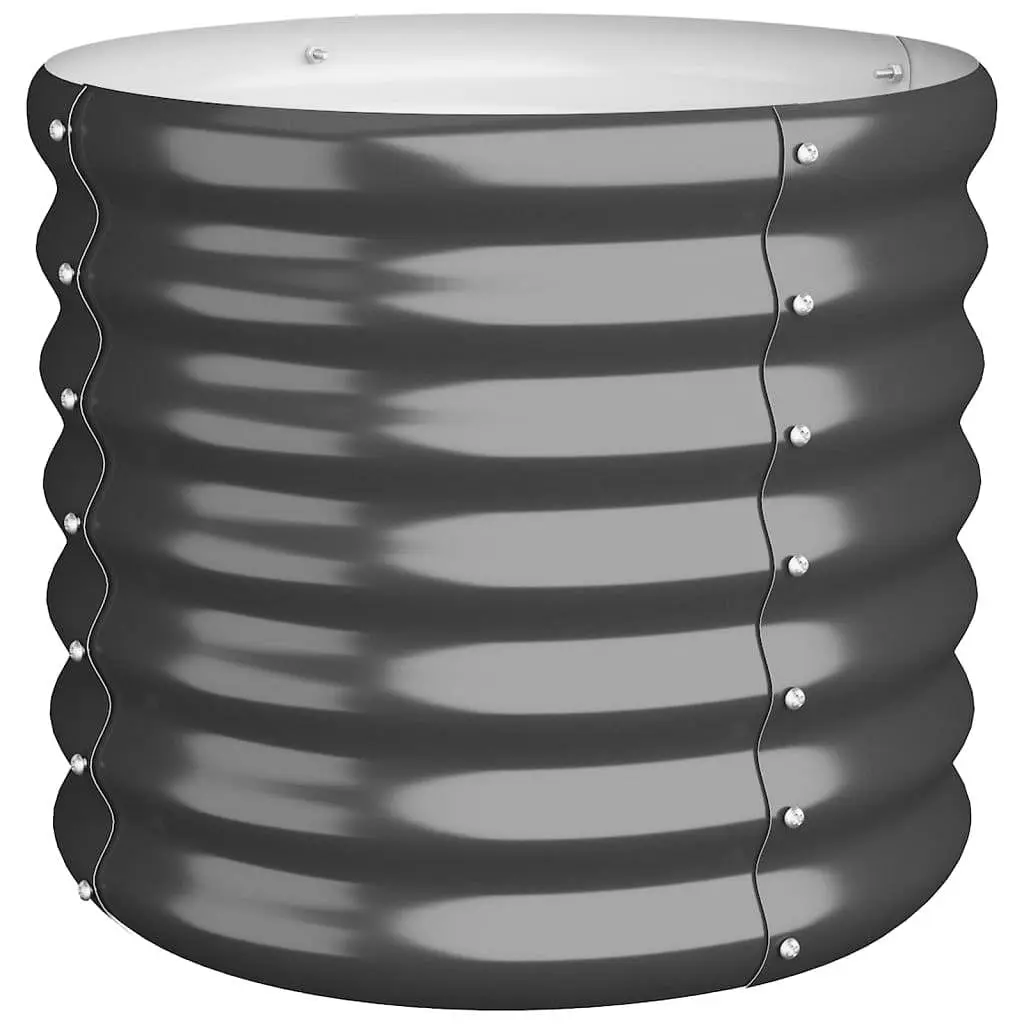
W2B VidaXL Large Anthracite Powder-Coated Steel Garden Planter Eco-Friendly Medium Pack Flower and Plant Pot for Floor Usage
For a reliable and stylish option, consider the W2B VidaXL Large Anthracite Powder-Coated Steel Garden Planter, which offers durability and eco-friendliness in one package.
Frequently asked questions
What are the benefits of a large metal planter?
Metal planters are durable, weather-resistant, and offer a modern aesthetic. They last longer than plastic or terracotta and can serve as a striking focal point in your garden.
How do I ensure proper drainage in a metal planter?
Make sure the planter has drainage holes. If not, drill them yourself. Add a layer of gravel at the bottom to facilitate water flow and prevent root rot.
Can I leave my metal planter outside in winter?
Yes, but take precautions. Move it to a sheltered spot or cover it to protect from freezing temperatures, which can cause the metal to crack. Empty or insulate the soil if needed.
What is the best material for a large metal planter?
Steel, especially galvanized or powder-coated, is the best choice for its strength and rust resistance. Corten steel is also popular for its unique patina.
