
Blog
The Complete Guide to Choosing a Lateral File Cabinet
Office Storage
Lateral File Cabinet: Your Ultimate Buying Guide
A lateral file cabinet is more than just a place to store paperwork—it’s a cornerstone of an organized, efficient workspace. Whether you’re outfitting a home office or a corporate suite, choosing the right one can make all the difference.
Why Choose a Lateral File Cabinet?
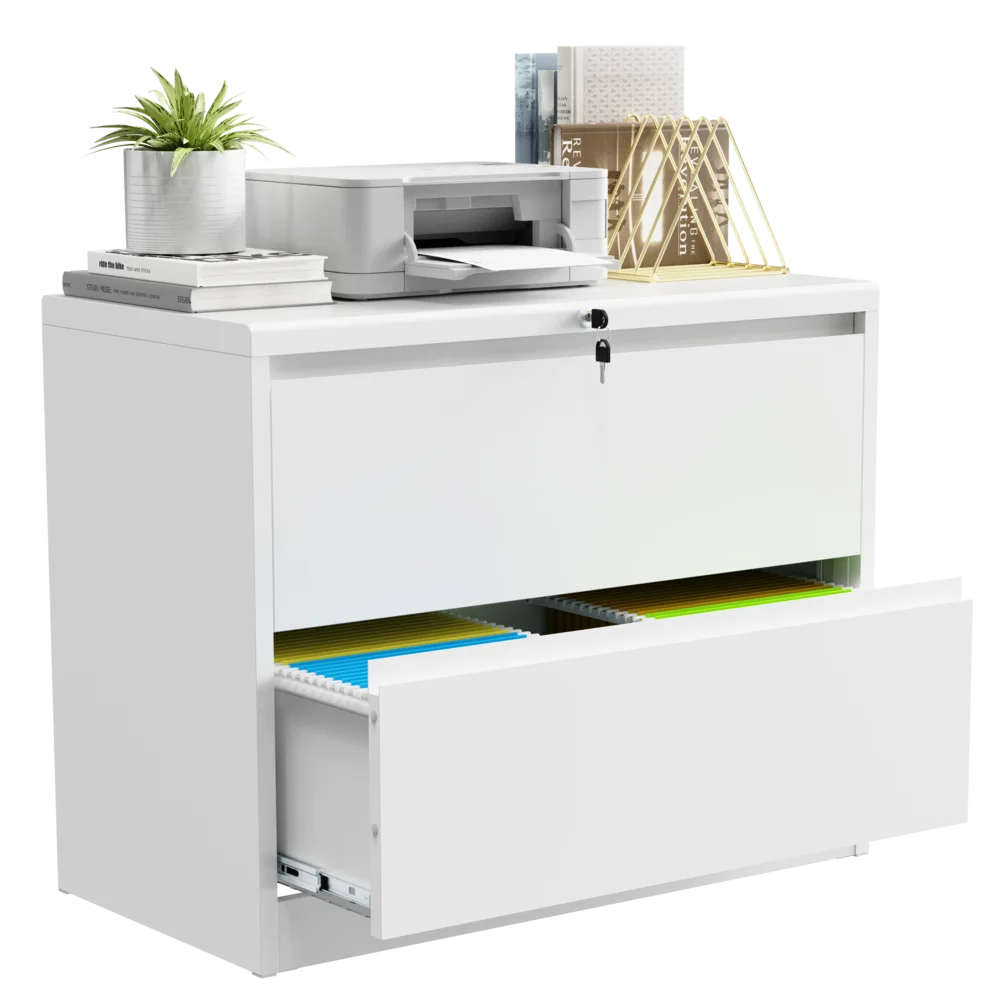
Unlike vertical file cabinets that pull out from the front, a lateral file cabinet has drawers that slide out sideways, offering a wider filing surface. This design is not only easier on your back—no reaching over the top drawer—but also provides more usable space for letter, legal, and A4 documents. Plus, the top of the cabinet can double as a side table or additional workspace, making it a smart choice for compact offices.
When you’re dealing with a growing amount of paperwork, the lateral file cabinet’s deep drawers can hold more files in a single row, reducing the need for multiple cabinets. It’s a practical solution that grows with your needs.
Key Features to Consider
Before you buy, think about the following features to ensure your new cabinet works for you day in and day out.
Size and Capacity
Measure your available floor space and consider the depth of the drawers. Standard lateral files come in 2-drawer and 4-drawer models, with widths ranging from 30 to 42 inches. Think about the volume of files you need to store—a 2-drawer lateral file cabinet is often sufficient for a small business or home office, while a 4-drawer is better for large document archives.
Material and Durability
Steel is the most common material for office filing cabinets because it’s sturdy, fire-resistant, and easy to clean. Some cabinets feature a powder-coated finish that resists scratches and rust. Wood or laminate options offer a warmer look but may not be as durable in high-traffic areas.
Locking Mechanism
Security is a priority if you store sensitive documents. Look for a cabinet with a central locking bar or individual drawer locks. The best locks are typically those that are pick-resistant and come with two keys. Some models also offer a safety feature that prevents more than one drawer from opening at a time, reducing the risk of tipping.
Lateral File Cabinet vs. Vertical File Cabinet
Understanding the difference helps you make an informed choice. A vertical file cabinet is taller and narrower, with drawers that pull straight out. It’s a good option for tight spaces, but it can be top-heavy when fully loaded. A lateral file cabinet, on the other hand, is wider and shorter, providing a more stable base. The drawers open fully, giving you a clear view of all files, and the top surface is usable as extra desk space.
If you have the floor space, a lateral file cabinet is generally more ergonomic and versatile. Many people find that they can store the same number of files in a lateral cabinet as in a taller vertical one, because the files are arranged side-by-side rather than front-to-back.
Materials and Build Quality
Pay attention to the gauge of steel used. Heavier gauge steel (e.g., 22-gauge) is more durable and less likely to dent. Check the drawer suspension: ball-bearing slides are smoother and can handle heavier loads than friction slides. Also, look at the finish—a high-quality powder coat will resist chipping and fading.
If you prefer a more natural aesthetic, consider a wood lateral file cabinet. These often come in finishes like cherry or oak and can be stained to match your existing furniture. However, they may be heavier and more expensive than metal counterparts.
Style and Aesthetics
Your filing cabinet doesn’t have to be an eyesore. Modern lateral file cabinets come in a variety of colors, from classic black and white to bold red or blue. Some have sleek, minimalist handles, while others feature a more traditional look with brass pulls. The design should complement your office decor and enhance the overall atmosphere.
If you’re short on space, consider a model with a built-in file rail for hanging folders. This keeps your documents organized and accessible without the need for separate hanging file frames.
Safety and Ergonomics
Safety is often overlooked but crucial. Look for a cabinet with anti-tip mechanisms, especially if you have children or pets around. The drawers should have a mechanism that prevents them from being pulled out too far, reducing the risk of the cabinet toppling over. Also, consider the height—a lower cabinet is easier to access from a seated position, reducing strain on your back.
Ergonomic handles that are easy to grip and use even when your hands are full are a nice touch. Some models have recessed handles that are flush with the drawers, minimizing snags.
Installation and Assembly
Most lateral file cabinets require some assembly, but it’s usually straightforward. Check the instructions and ensure you have the right tools. Some retailers offer white-glove delivery and installation for an extra fee, which can save you time and effort. If you’re handy, you can set it up yourself in under an hour.
Before you start, clear the area where the cabinet will go. Make sure the floor is level to prevent any wobbling. Once assembled, test the drawers to ensure they open smoothly and close securely.
Maintenance and Care
To keep your lateral file cabinet looking and working its best, wipe it down regularly with a soft, damp cloth. Avoid harsh chemicals that can damage the finish. If you have a metal cabinet, check for any scratches and touch them up with matching paint to prevent rust. For wooden cabinets, use a furniture polish to maintain the shine.
Periodically lubricate the drawer slides with a silicone-based spray to ensure smooth operation. This simple step can extend the life of your cabinet significantly.
For more information on the history and types of filing systems, you can refer to this Wikipedia article on filing cabinets.
Office Storage Filing Cabinet 2 Drawer Lateral Metal File Cabinet with Lock for Letter/Legal/F4/A4 Size
For a reliable and stylish option, consider the Office Storage Filing Cabinet 2 Drawer Lateral Metal File Cabinet with Lock for Letter/Legal/F4/A4 Size, which offers sturdy construction and a secure lock to keep your documents safe.
Frequently asked questions
What are the standard sizes of lateral file cabinets?
Lateral file cabinets typically come in widths of 30, 36, and 42 inches. The depth is usually around 18 to 20 inches, and the height varies depending on the number of drawers. A 2-drawer model is about 28 inches high, while a 4-drawer is around 52 inches. Always measure your space before purchasing.
Can a lateral file cabinet hold legal-size documents?
Yes, most lateral file cabinets are designed to accommodate both letter and legal-size files. The drawers are wide enough to allow side-to-side filing of legal documents. Check the product specifications to confirm the interior dimensions, as some models are specifically made for letter size only.
How much weight can a lateral file cabinet hold?
The weight capacity varies by model and construction. A typical steel lateral file cabinet can support around 200 to 300 pounds per drawer, depending on the drawer slides and gauge of steel. High-quality ball-bearing slides can handle more weight and provide smoother operation.
Are lateral file cabinets easy to move?
Lateral file cabinets are heavy, especially when fully loaded. Some models come with casters or wheels for easy mobility, but they are often optional. If you plan to move your cabinet frequently, look for one with locking casters. Otherwise, consider using a furniture slider or getting help to move it.
