
Blog
LED Ceiling Light Buying Guide: Bright Ideas for Every Room
Lighting Guide
Your Ultimate LED Ceiling Light Buying Guide
An LED ceiling light can transform a room’s ambiance and functionality, but with so many options, how do you pick? This guide walks you through the key factors to consider, ensuring you make a bright choice.
Why Choose an LED Ceiling Light?
LED ceiling lights have become the go-to choice for modern homes, and for good reason. They are energy-efficient, long-lasting, and versatile. Unlike traditional incandescent bulbs, LEDs use up to 75% less energy and can last for decades. This means you’ll save on your electricity bill and reduce the hassle of frequent bulb replacements.
Moreover, LED lights produce less heat, making them safer and more comfortable in warmer climates. They are also available in a wide range of color temperatures, from warm to cool, allowing you to create the perfect mood in any room. Whether you’re looking to brighten a workspace or create a cozy atmosphere in your bedroom, an LED ceiling light can do it all.
Key Factors to Consider When Buying an LED Ceiling Light
Choosing the right LED ceiling light involves more than just picking a design you like. Here are some crucial factors to keep in mind:
- Brightness (Lumens): Instead of wattage, look for lumens. The higher the lumens, the brighter the light. For a living room, you might want 1,500-3,000 lumens, while a bedroom may need only 1,000-2,000.
- Color Temperature (Kelvin): This affects the mood. Warm white (2700K-3000K) is cozy, while cool white (4000K-5000K) is energizing and ideal for task lighting.
- Size and Shape: Consider the dimensions of your room and ceiling height. A large fixture can overwhelm a small room, while a tiny light may get lost in a spacious area.
- Dimmability: If you want to adjust the brightness, ensure the light is dimmable and compatible with your existing dimmer switch.
- Style and Finish: The light should complement your interior design. From minimalist to ornate, there’s a style for every taste.
Understanding Brightness and Color Temperature
Brightness and color temperature are two of the most important aspects of any LED ceiling light. Let’s dive deeper into what they mean for your space.
Brightness: Lumens, Not Watts
For years, we used watts to gauge brightness, but with LEDs, lumens are the true measure. A 60-watt incandescent bulb produces about 800 lumens. For a ceiling light, you’ll likely need more. As a rule of thumb, multiply the square footage of your room by 1.5 to get the minimum lumens required. For example, a 200-square-foot living room would need at least 3000 lumens.
Color Temperature: Setting the Mood
Color temperature is measured in Kelvin (K). Lower Kelvin numbers produce a warm, yellowish light, while higher numbers emit a cool, bluish light. In living areas, warm light (2700K-3000K) is inviting and relaxing. In kitchens and bathrooms, a neutral white (3500K-4000K) helps with visibility. For offices or garages, cool white (5000K+) can boost alertness.
Many modern LED ceiling lights offer adjustable color temperatures, allowing you to switch between modes depending on the time of day or activity. This feature is especially handy in multi-purpose rooms.
Choosing the Right Size and Placement
The size and placement of your LED ceiling light can make or break the room’s aesthetics. Here’s how to get it right.
- Measure Your Room: Add the length and width of your room in feet, then convert that sum to inches. The result is the ideal diameter for a ceiling light. For example, a 12×14-foot room suggests a 26-inch fixture.
- Ceiling Height: For standard 8-foot ceilings, flush or semi-flush mounts work best. If you have higher ceilings, you can hang pendant lights or chandeliers.
- Central Placement: In most rooms, a central ceiling light provides even illumination. However, in kitchens, you might want task lighting over countertops, and in bedrooms, consider a light that doesn’t glare directly onto the bed.
Energy Efficiency and Cost Savings
LED ceiling lights are champions of energy efficiency. They consume significantly less electricity than incandescent or fluorescent lights, which translates to lower utility bills. Additionally, their long lifespan means fewer replacements and less waste. According to the U.S. Department of Energy, LED lighting uses about 75% less energy and lasts 25 times longer than incandescent lighting. This makes them an environmentally friendly choice that also saves you money over time.
When comparing costs, consider the initial price of the fixture, but also factor in the long-term savings. A higher-quality LED light might have a higher upfront cost, but it will pay for itself through energy savings and durability.
Installation Tips and Safety
Installing an LED ceiling light is a task many homeowners can handle, but safety should always come first. Here are some tips:
- Turn Off Power: Always shut off the circuit breaker before starting any electrical work.
- Check the Wiring: Ensure the fixture’s wires match the house wiring (usually black to black, white to white, and green or copper for ground). If you’re unsure, consult a licensed electrician.
- Use the Right Mounting Box: The fixture must be securely attached to a ceiling box that can support its weight.
- Follow Manufacturer Instructions: Each fixture may have specific installation steps. Read the manual thoroughly.
If you’re not comfortable with electrical work, hiring a professional is always a smart investment. Safety is paramount.
Styles and Designs to Match Your Decor
LED ceiling lights come in an array of styles, from sleek and modern to classic and decorative. Here are some popular options:
- Flush Mounts: These sit close to the ceiling and are perfect for rooms with low ceilings. They offer a clean, unobtrusive look.
- Semi-Flush Mounts: These hang slightly below the ceiling, adding a touch of elegance without taking up too much visual space.
- Pendant Lights: These hang from a cord or rod and are ideal for dining areas or kitchen islands. They provide focused lighting and can be a statement piece.
- Chandeliers: For a dramatic effect, chandeliers with LED bulbs combine traditional charm with modern efficiency.
- Panel Lights: These are flat, rectangular lights that provide even illumination, often used in offices or contemporary homes.
When choosing a style, think about the overall theme of your room. A minimalist space might benefit from a simple panel light, while a vintage-inspired room could be enhanced by a rustic chandelier.
Smart Features and Controls
Modern LED ceiling lights can be more than just a source of light; they can be integrated into your smart home system. Many fixtures are compatible with voice assistants like Alexa or Google Home, allowing you to control them with simple commands. Some also come with remote controls, enabling you to adjust brightness and color temperature without getting up.
Consider whether you want these smart capabilities. They can add convenience and energy savings, as you can schedule lights to turn off when not needed. However, they may come at a higher cost. Weigh the benefits against your budget and lifestyle.
Maintenance and Longevity
One of the greatest advantages of LED ceiling lights is their low maintenance. Since they last for thousands of hours, you won’t need to change bulbs frequently. However, to ensure they perform at their best, keep the fixtures clean. Dust and dirt can accumulate on the lens or shade, reducing light output. Simply wipe them down with a soft, dry cloth periodically.
Also, check for any signs of wear, such as flickering or buzzing, which could indicate a problem with the driver or wiring. If you notice issues, it’s best to address them promptly to avoid further damage.
Where to Buy and What to Look For
You can find LED ceiling lights at home improvement stores, lighting specialty shops, and online retailers. When shopping, look for the ENERGY STAR label, which ensures the product meets energy efficiency guidelines. Also, check the warranty – a good LED light should come with at least a 3-year warranty.
Read customer reviews to get an idea of the product’s performance and reliability. And don’t forget to measure your space before purchasing to ensure the light will fit perfectly.
For more information on lighting design and standards, you can refer to the Wikipedia article on lighting.
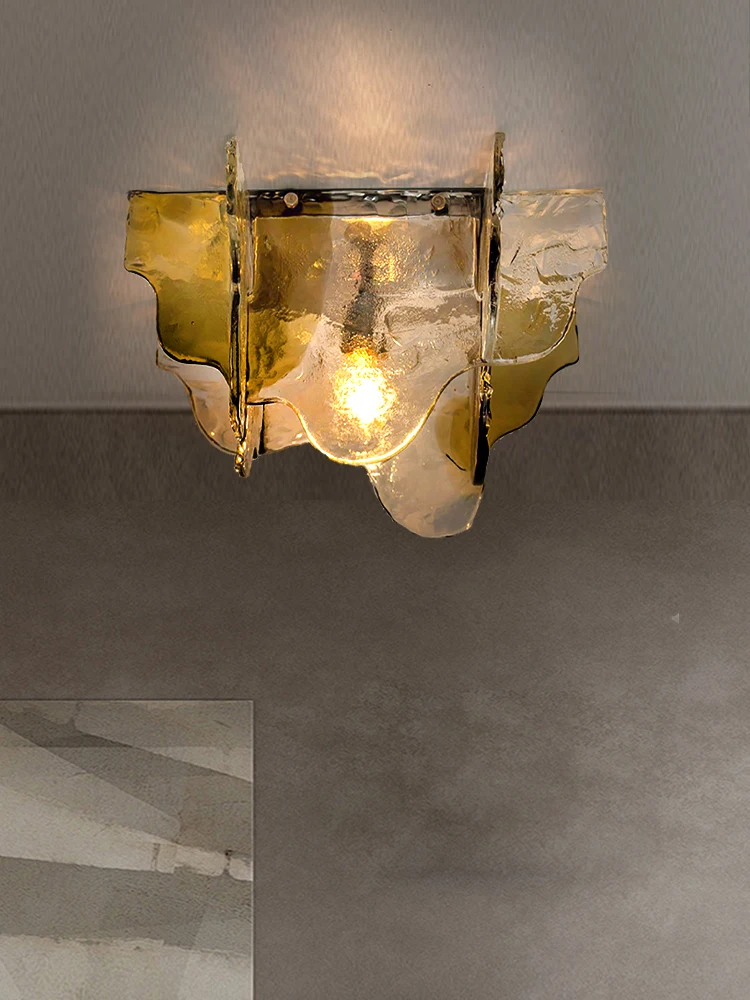
Amber / Gray Ice Slice LED Glass Ceiling Lights Bedroom Hallway Ideal Lampara Techo Ceiling Chandelier Novel Modern Luminaire
For a unique blend of modern style and warm illumination, consider the Amber / Gray Ice Slice LED Glass Ceiling Lights – a novel choice that adds a touch of elegance to any bedroom or hallway.
Frequently asked questions
What is the best brightness for an LED ceiling light in a bedroom?
For a bedroom, a softer, warmer light is usually preferred to create a relaxing atmosphere. Aim for around 1,000 to 2,000 lumens with a color temperature of 2700K-3000K. Dimming capabilities can also help adjust the light level for different activities like reading or winding down.
Can LED ceiling lights be used with a dimmer switch?
Many LED ceiling lights are dimmable, but not all. Check the product specifications for ‘dimmable’ and ensure your existing dimmer switch is compatible with LED technology. Older dimmers may not work properly, so you might need to upgrade to an LED-compatible dimmer.
How do I choose the right size LED ceiling light for my room?
A simple rule is to add the room’s length and width in feet, then convert that sum to inches. For example, a 12×14-foot room would benefit from a fixture around 26 inches in diameter. Also consider ceiling height – for 8-foot ceilings, choose flush or semi-flush mounts, while higher ceilings allow for pendant or chandelier styles.
Are LED ceiling lights energy-efficient?
Yes, LED ceiling lights are highly energy-efficient, using about 75% less energy than incandescent bulbs and lasting up to 25 times longer. This results in significant savings on your electricity bill and fewer replacements over time, making them an eco-friendly and cost-effective choice.
