
Blog
Lotus Pendant Light: A Complete Buying Guide
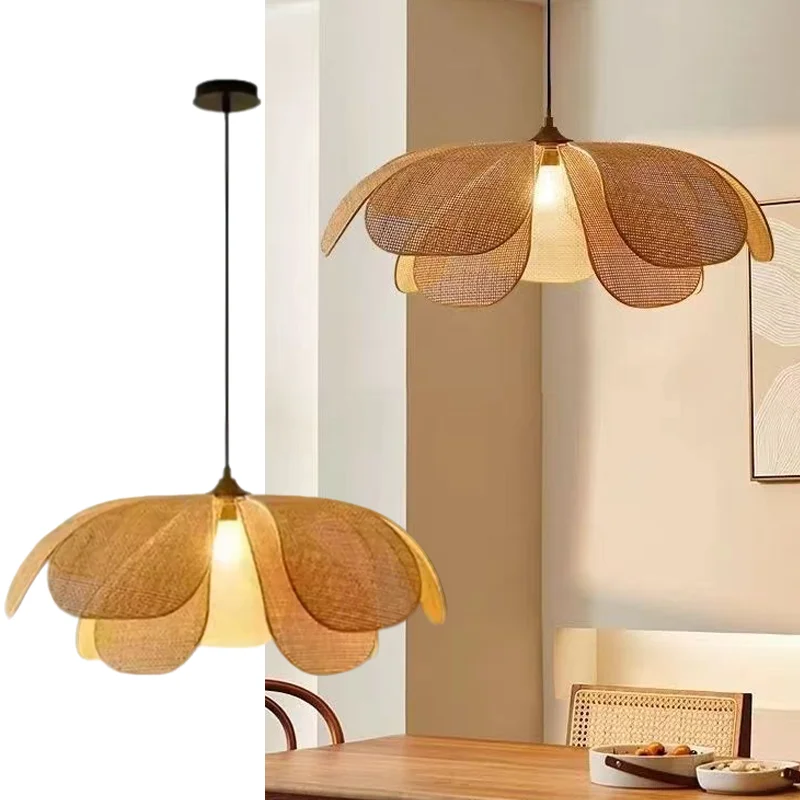
Buying Guide
The Lotus Pendant Light: A Blooming Choice
The lotus pendant light, with its organic petals and warm glow, has become a beloved centerpiece in modern interiors. Let’s explore what makes it so special and how to choose the right one for your home.
Why Choose a Lotus Pendant Light?
The lotus pendant light is more than just a lighting fixture; it’s a piece of art that brings a touch of nature indoors. Its design, inspired by the lotus flower, symbolizes purity and renewal, adding a serene and elegant vibe to any room. Unlike standard pendant lights, the lotus shape creates a beautiful play of light and shadow, casting intricate patterns on your walls and ceiling.
Whether you’re aiming for a bohemian, Scandinavian, or tropical aesthetic, a lotus pendant light seamlessly blends in. It serves as a statement piece that draws the eye without overwhelming the space, making it a favorite among interior designers and homeowners alike.
Materials and Craftsmanship
The beauty of a lotus pendant light lies in its construction. Most are hand-woven from natural materials like rattan, bamboo, or seagrass, which give each piece a unique character. The weaving technique not only affects the look but also the quality of light diffusion. A tightly woven shade creates a softer, more diffused glow, while a looser weave allows for more direct light and interesting shadow patterns.
When shopping, pay attention to the frame. A sturdy metal or wood frame ensures durability and helps the shade retain its shape over time. Look for fixtures that are well-balanced and securely attached to the ceiling mount. Quality craftsmanship means the light will not only look beautiful but also last for years.
Natural vs. Synthetic Materials
Natural materials like rattan and bamboo are eco-friendly and bring warmth, but they require more care. Synthetic materials, such as resin or plastic, are more durable and easier to clean, but they may lack the organic charm. Consider your lifestyle and the environment where the light will be placed. For a dining area with high humidity, a synthetic option might be more practical.
Size and Scale: Finding the Right Fit
Choosing the correct size for your lotus pendant light is crucial for both aesthetics and functionality. A common mistake is selecting a fixture that is too small or too large for the room. As a rule of thumb, the diameter of the pendant should be about 12 to 20 inches for a standard dining table, but this can vary based on ceiling height and table dimensions.
For a living room, consider the overall scale. A large, dramatic lotus pendant can serve as a focal point, while a smaller one might be better for cozy corners or reading nooks. Also, think about the hanging height. The bottom of the pendant should be at least 30 inches above a table surface, and 7 feet above the floor in walkways to avoid head bumps.
Lighting and Bulb Selection
The type of bulb you choose dramatically affects the ambiance. For a warm, inviting glow, opt for LED bulbs with a color temperature around 2700K to 3000K. These mimic the soft light of incandescent bulbs but are more energy-efficient. If you want to highlight the texture of the weave, consider a clear or frosted bulb that casts interesting patterns.
Dimmable bulbs give you flexibility, allowing you to adjust the mood from bright and lively to soft and intimate. Check the fixture’s specifications to ensure it is compatible with dimmer switches. Some lotus pendant lights come with a standard E27 socket, making it easy to find replacement bulbs.
Placement and Installation Tips
Where you place your lotus pendant light can transform a space. In the dining room, hang it centered over the table to create a focal point for gatherings. In the living room, position it near a seating area to provide task lighting for reading or conversation. For a dramatic effect, install multiple pendants at different heights over a kitchen island.
Installation is usually straightforward, but if you’re not comfortable with electrical work, hire a professional. Ensure the ceiling mount is secure and that the wiring is up to code. If you’re renting, consider a plug-in pendant that can be easily removed without leaving holes.
Caring for Your Lotus Pendant Light
To keep your lotus pendant light looking its best, regular dusting is essential. Use a soft, dry cloth or a feather duster to gently remove dust from the weave. For deeper cleaning, a vacuum with a brush attachment can help, but avoid using water or harsh chemicals that can damage natural fibers.
If the shade becomes stained, you might need to treat it with a mild soap solution, but always test on a small area first. Over time, natural materials may fade or change color, which adds character but also means you should place the light away from direct sunlight to slow the process.
Eco-Friendly and Sustainable Choices
Many lotus pendant lights are crafted from sustainable materials, making them an eco-friendly lighting option. Rattan, for example, is a fast-growing palm that can be harvested without harming the environment. Bamboo is another renewable resource that is both strong and lightweight.
When selecting a fixture, look for certifications or statements about sustainable sourcing. Supporting artisans who use traditional weaving techniques also helps preserve cultural heritage. By choosing a handcrafted piece, you not only get a unique item but also contribute to fair trade practices.
For more on sustainable materials, you can read about sustainable furniture on Wikipedia.
Styling Your Space with a Lotus Pendant Light
Integrating a lotus pendant light into your decor is all about balance. In a minimalist room, let the pendant be the star by keeping other elements simple. Pair it with neutral colors and natural textures like wood and linen to enhance the organic feel.
In a more eclectic setting, mix the lotus pendant with other global-inspired decor, such as Moroccan rugs or Indian textiles. The key is to create a cohesive look that doesn’t clash. Remember, the lotus pendant light works beautifully as a standalone piece or as part of a group, depending on the size of your space.
Consider the scale of your furniture. A large pendant might overwhelm a small side table, while a small pendant could get lost in a grand living room. Always step back and view the whole room to ensure the light fits harmoniously.
E27 Lotus ceiling pendant Lights Nordic Modern LED Chandelier Hand-woven Rattan pendant Lamp dining Room Living Room Lighting
For a beautifully crafted lotus pendant light, consider the E27 Lotus ceiling pendant Lights Nordic Modern LED Chandelier Hand-woven Rattan pendant Lamp, which combines artisanal charm with modern efficiency.
Frequently asked questions
What is a lotus pendant light?
A lotus pendant light is a ceiling-hung lamp designed to resemble the lotus flower, often hand-woven from natural materials like rattan or bamboo. It provides ambient lighting and adds an artistic, natural touch to any room.
How do I clean a rattan lotus pendant light?
Regularly dust with a soft, dry cloth or use a vacuum with a brush attachment. For deeper cleaning, a mild soap solution can be used, but always test on an inconspicuous area first. Avoid soaking the material.
What bulb should I use for a lotus pendant light?
For a warm ambiance, choose LED bulbs with a color temperature between 2700K and 3000K. Ensure the bulb fits the socket type, typically E27. Dimmable bulbs are recommended for flexibility.
Can I install a lotus pendant light myself?
If you have basic electrical knowledge, you can install it by following the manufacturer’s instructions. However, for safety, it’s best to hire a licensed electrician, especially if you’re not experienced with wiring.
