
Blog
Luxury Bathroom Vanity: Your Ultimate Buying Guide
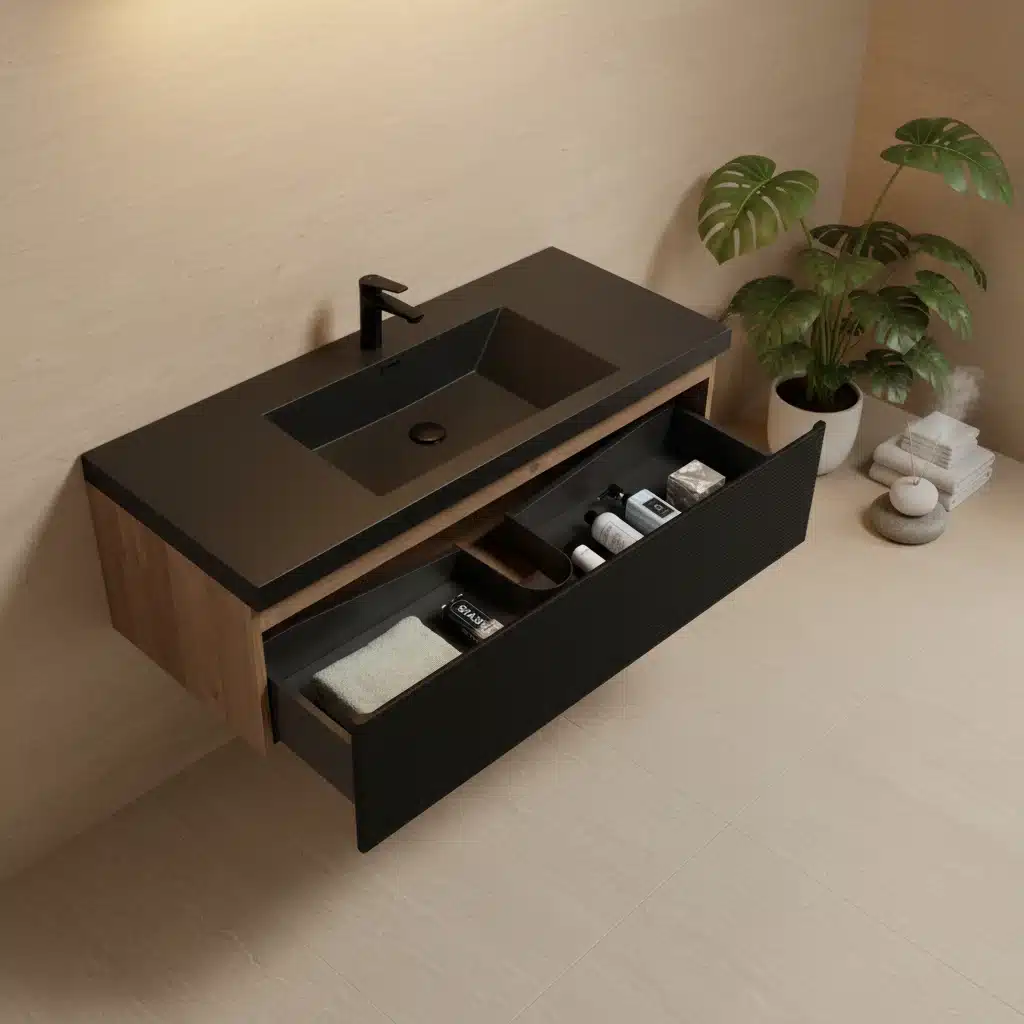
Buying Guide
Choosing the Perfect Luxury Bathroom Vanity
A luxury bathroom vanity can transform your daily routine into a spa-like experience. Whether you’re remodeling or building new, this guide covers everything from sizing to storage to materials.
What Defines a Luxury Bathroom Vanity?
A luxury bathroom vanity is more than just a cabinet—it’s a statement piece that combines high-end materials, expert craftsmanship, and thoughtful design. Unlike standard vanities, luxury options often feature solid wood frames, dovetail drawers, soft-close hardware, and premium stone countertops like marble or quartz. The finish might be hand-painted or lacquered, and the hardware is often brushed brass or matte black. When you invest in a luxury bathroom vanity, you’re paying for longevity and timeless elegance.
Beyond materials, luxury vanities prioritize ergonomics and storage innovation. Think pull-out shelves, hidden compartments, and integrated lighting. The goal is to create a clutter-free space that feels both indulgent and practical. For more on what makes a vanity high-end, check out this overview of bathroom cabinet features.
Size Matters: Finding the Right Fit for Your Space
One of the most common mistakes is choosing a vanity that’s too large or too small. A luxury bathroom vanity should anchor the room without overwhelming it. Start by measuring your available width, depth, and height. Standard widths range from 24 to 72 inches, with 48 inches being a popular choice for double sinks. Depth typically runs 18-21 inches, and height averages 34-36 inches—though comfort-height vanities (36 inches) are gaining popularity.
Consider the traffic flow: you need at least 21 inches of clearance in front of the vanity. If you’re installing a double sink, ensure each basin has at least 30 inches of counter space. A 48-inch luxury bathroom vanity offers a sweet spot: enough room for two sinks in many cases, yet compact enough for medium-sized bathrooms. Always account for door swings and drawer pulls—you don’t want them hitting the toilet or tub.
Material Choices: From Wood to Stone
The materials you choose define both the look and longevity of your luxury bathroom vanity. Solid hardwoods like oak, walnut, and maple are durable and can be refinished. Plywood with a veneer is a more budget-friendly option that still offers stability. Avoid particleboard—it swells with moisture.
Countertops
Natural stone like marble, granite, and quartzite are top-tier. Marble is classic but porous; quartz is low-maintenance and non-porous. For a modern edge, consider engineered stone or solid surface. Each has its pros and cons regarding heat resistance, staining, and cost.
Finishes
High-gloss lacquer, matte paint, or wood stain—each creates a different mood. Dark finishes like espresso or navy exude drama, while white or light gray keep things airy. Metallic accents in brass, chrome, or black add a final touch of luxury.
Storage Solutions: Maximize Function Without Sacrificing Style
A luxury bathroom vanity should hide your clutter beautifully. Look for deep drawers with organizers for makeup and toiletries, pull-out trays for small items, and adjustable shelves for taller bottles. Soft-close hinges and full-extension drawers are non-negotiable for a premium feel.
Some vanities offer open shelving for towels or decorative baskets, but be mindful of dust. For a minimalist look, consider a floating vanity—it creates the illusion of more space and makes cleaning easier. The black floating vanity design is particularly striking in modern bathrooms.
Style and Design: Modern, Traditional, or Transitional?
Your luxury bathroom vanity should complement the overall aesthetic of your home. Modern vanities favor clean lines, flat-panel doors, and integrated sinks. Traditional styles feature raised-panel doors, ornate hardware, and furniture-like legs. Transitional mixes both—think shaker doors with simple pulls.
Color trends lean toward bold hues like navy, charcoal, and forest green, often paired with brass fixtures. For a timeless choice, white or gray with marble never goes out of style. The vanity’s shape also matters: rectangular is standard, but curved or angled fronts can add interest.
Installation Tips and Considerations
Proper installation ensures your luxury bathroom vanity lasts. If you’re handy, you can DIY, but for plumbed-in models or complex electrical (like integrated lighting), hire a pro. Check that the wall can support the weight, especially for floating vanities. Ensure plumbing rough-ins align with the vanity’s cutouts—measure twice!
Also, consider ventilation: a vanity placed near a shower should have a moisture-resistant finish. For a seamless look, pair your vanity with a matching mirror or medicine cabinet. And don’t forget lighting—sconces on either side of the mirror eliminate shadows.
Budgeting for Your Luxury Vanity
Luxury bathroom vanities can range from $1,500 to over $10,000. Set a budget that accounts for the vanity, countertop, sink, faucet, and installation. Often, buying a complete set (vanity + countertop + sink) saves money and ensures compatibility. For commercial wholesalers or large projects, bulk pricing is available.
Remember, a luxury bathroom vanity is an investment that boosts home value. When comparing options, prioritize solid construction and timeless design over fleeting trends. A well-chosen vanity will serve you for decades.
Fast Shipping US Stock 48 Inch Luxury Black Floating Bathroom Vanity Cabinet Single Sink Combo Set for Commercial Wholesaler
For a ready-to-ship option, consider the Fast Shipping US Stock 48 Inch Luxury Black Floating Bathroom Vanity Cabinet Single Sink Combo Set for Commercial Wholesaler, which combines sleek design with durable construction.
Frequently asked questions
What is the standard height for a luxury bathroom vanity?
Standard height is 30-32 inches, but comfort-height vanities at 36 inches are becoming more popular for ergonomic ease.
What materials are best for a luxury bathroom vanity countertop?
Natural stone like marble and granite offer timeless beauty, while quartz provides durability and low maintenance. Each has trade-offs in price and care.
Can I install a luxury bathroom vanity myself?
If you have basic plumbing and carpentry skills, yes. But for floating vanities or complex setups, professional installation is recommended to avoid damage.
How do I clean and maintain a luxury bathroom vanity?
Use a soft cloth and mild soap for wood finishes; avoid harsh chemicals. Stone countertops need sealing periodically. Wipe spills promptly to prevent staining.