
Blog
The Best Memory Foam Bath Mat for Your Bathroom
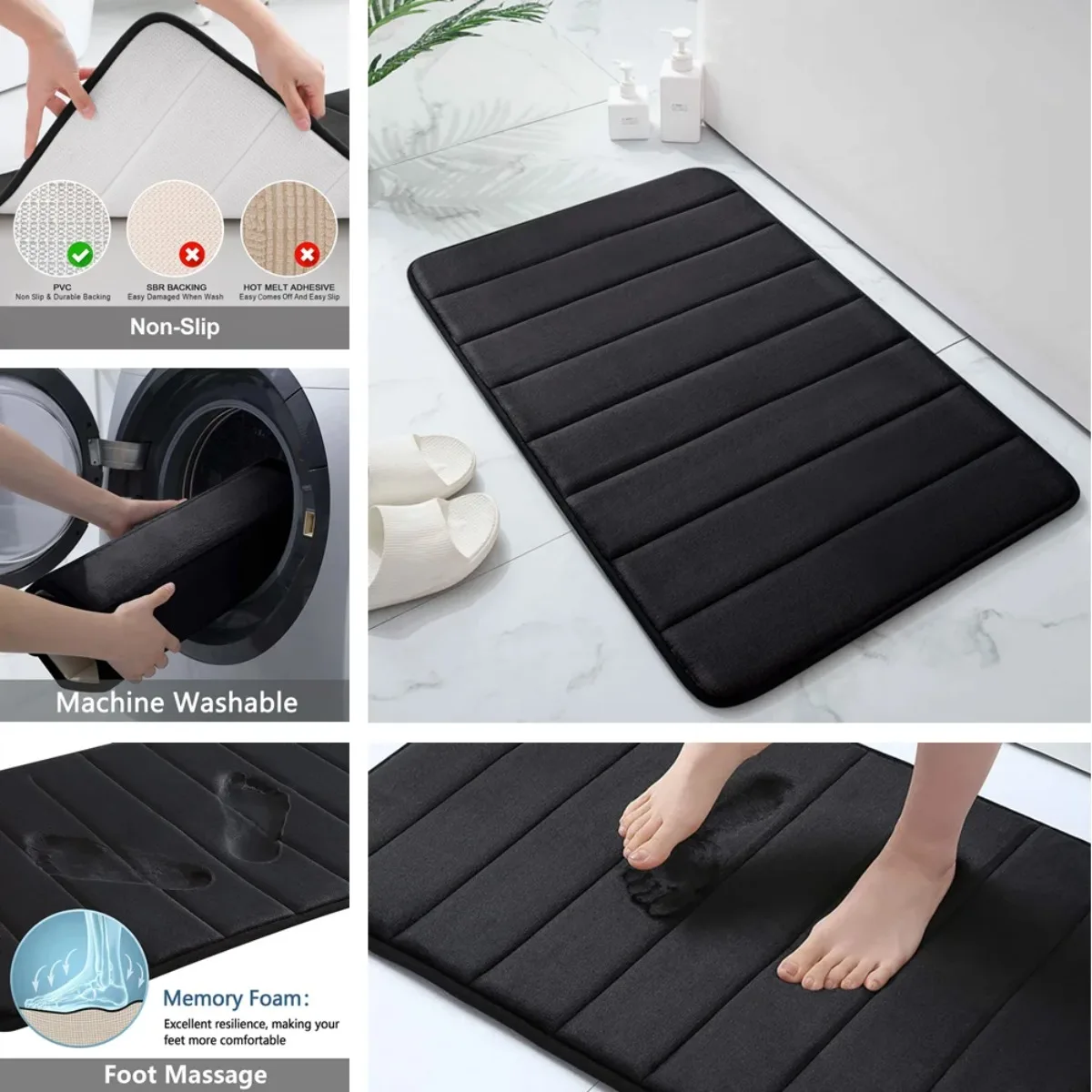
Buying Guide
Find Your Perfect Memory Foam Bath Mat
A memory foam bath mat can transform your bathroom experience with its plush comfort and quick drying abilities. Whether you’re stepping out of the shower or just want a soft spot for your feet, choosing the right mat makes all the difference.
Why Choose a Memory Foam Bath Mat?
Memory foam bath mats have become popular for good reason. They offer a cloud-like feel underfoot that traditional cotton or rubber mats can’t match. The foam conforms to your feet, providing support and cushioning that reduces pressure on joints. This makes them ideal for anyone who stands while getting ready or simply enjoys a touch of luxury after a bath. Plus, many memory foam mats come with a non-slip backing, adding an extra layer of safety on wet bathroom floors.
Key Features to Look For
When shopping for a memory foam bath mat, consider these important features:
- Absorbency: The mat should wick moisture away quickly to prevent puddles. Look for mats with a high-density foam core that traps water without feeling soggy.
- Non-Slip Bottom: A rubber or thermoplastic elastomer (TPE) backing keeps the mat firmly in place, even on tile or hardwood floors. This is crucial for preventing slips and falls.
- Thickness: Thicker mats (around 0.5 to 0.75 inches) offer more cushioning, but ensure they don’t create a tripping hazard near doorways.
- Size and Shape: Measure your bathroom space. Common sizes include 17×24, 20×32, and 24×36 inches. Rectangular mats fit standard spaces, while contoured or oval shapes can add style.
- Drying Time: Memory foam mats should dry within a few hours to prevent mold and mildew. Some have open-cell foam that speeds evaporation.
Material Matters: Memory Foam vs. Other Bath Mats
Memory foam is distinct from cotton, microfiber, or rubber mats. Cotton mats are absorbent but can become heavy and take longer to dry. Microfiber is quick-drying but less plush. Rubber mats are slip-resistant but lack comfort. Memory foam strikes a balance: it’s soft, absorbent, and dries relatively fast. However, not all memory foam is created equal. Higher-density foam tends to be more durable and supportive. Some mats also incorporate charcoal or antimicrobial treatments to reduce odors. For more on foam materials, check out Memory Foam on Wikipedia.
Safety First: Non-Slip and Bathroom Flooring
Bathroom floors can be slippery, especially when wet. A memory foam bath mat with a reliable non-slip backing is essential. Look for mats with a textured rubber bottom or suction cups that grip the floor. Test the mat by placing it on a wet surface and applying pressure; it shouldn’t slide. Also, consider the mat’s weight—heavier mats tend to stay put better. If you have radiant heating, ensure the mat is compatible (most are, but check manufacturer guidelines).
Care and Maintenance Tips
To keep your memory foam bath mat fresh, follow these care steps:
- Shake out the mat after each use to remove excess water.
- Machine wash on a gentle cycle with cold water (check label). Avoid fabric softeners, as they can break down foam.
- Air dry flat or tumble dry on low heat. High heat can damage the foam.
- Vacuum the mat occasionally to remove hair and dust.
- Replace every 1-2 years or when the foam loses its shape.
How to Choose the Right Size and Shape
Measure the area in front of your sink, shower, or tub. A standard mat (20×32 inches) works for most sinks. For a shower or tub, a larger mat (24×36 or 30×48 inches) provides more coverage. Consider the layout: if your bathroom is narrow, a rectangular mat fits best. For a round or pedestal sink, a small oval or round mat can be charming. Also think about clearance for doors and cabinets.
Eco-Friendly and Hypoallergenic Options
Some memory foam bath mats use plant-based foams or recycled materials. If you have allergies, look for hypoallergenic, mildew-resistant, and dust-mite-proof options. Charcoal-infused foam can absorb odors and humidity. Also, check if the mat is free from harmful chemicals like phthalates or formaldehyde. Certifications like OEKO-TEX indicate safer products.
Top Considerations for Your Purchase
Before buying, read customer reviews about the mat’s durability, drying time, and slip resistance. Compare warranties—many brands offer 1-2 years. Consider your budget: quality memory foam mats range from $20 to $50. Remember, a good memory foam bath mat is an investment in comfort and safety.
Memory Foam Bath Mat – Super Absorbent & Non-Slip Bathroom Rug for Shower & Tub
For a reliable option, consider the Memory Foam Bath Mat – Super Absorbent & Non-Slip Bathroom Rug for Shower & Tub, which combines plush comfort with a secure grip.
Frequently asked questions
How often should I replace my memory foam bath mat?
Typically every 1 to 2 years, depending on usage and care. Signs it’s time to replace include loss of cushioning, persistent odors, or visible wear.
Can I put a memory foam bath mat in the dryer?
Yes, but use low heat or air dry. High heat can damage the foam. Always check the care label first.
Are memory foam bath mats machine washable?
Most are machine washable on a gentle cycle with cold water. Avoid bleach and fabric softeners. Air drying is recommended.
Do memory foam bath mats work on heated floors?
Yes, most are safe for use with radiant heating. However, ensure the mat is not too thick to block heat transfer, and check manufacturer guidelines.
