
Blog
Ultimate Guide to Choosing a Memory Foam Sleeper Sofa
Buying Guide
How to Choose the Perfect Memory Foam Sleeper Sofa
A memory foam sleeper sofa can transform your living space, offering both seating and sleeping comfort. But with so many options, how do you pick the right one?
Why Choose a Memory Foam Sleeper Sofa?
A memory foam sleeper sofa combines the best of both worlds: a comfortable couch for lounging and a supportive bed for guests. Unlike traditional spring mattresses, memory foam contours to your body, reducing pressure points and ensuring a restful sleep. This makes it an ideal choice for small apartments, home offices, or any room that doubles as a guest space.
Memory foam also tends to be more durable and less prone to sagging over time. Many models feature high-density foam that retains its shape, so your sofa looks good and feels great for years. Plus, the material is often hypoallergenic, resisting dust mites and allergens—a boon for sensitive sleepers.
Key Features to Look For
When shopping for a memory foam sleeper sofa, consider these features to ensure maximum comfort and longevity.
- Foam Density: Higher density (4-5 lbs per cubic foot) offers better support and durability. Look for foam that’s at least 2 inches thick for the sleeping surface.
- Frame Construction: Hardwood frames (like kiln-dried eucalyptus or birch) are sturdier than particleboard. Avoid sofas with metal bars that might dig into the mattress.
- Mechanism: Pull-out or click-clack? Pull-out sofas usually offer a thicker mattress, while click-clack (futon-style) are easier to convert but may have thinner foam.
- Cover Material: Removable, washable covers (like cotton or microfiber) make cleaning a breeze. Corduroy or velvet add a touch of luxury but require gentle care.
Memory Foam vs. Other Mattress Types
Compared to innerspring or latex, memory foam excels at pressure relief and motion isolation. Innerspring mattresses can feel bouncy and may transfer movement from a restless sleeper. Latex is more resilient but often pricier. For a sleeper sofa, memory foam’s ability to conform to the body makes it a top choice for occasional use, especially if you have guests with different sleeping positions.
However, memory foam can retain heat. Look for gel-infused or open-cell foam that promotes airflow. Some models incorporate cooling gel beads or breathable covers to mitigate warmth.
Size and Space Considerations
Measure your room before buying. A typical memory foam sleeper sofa comes in twin, full, or queen sizes. Twin is great for a single guest or a small den, while queen accommodates couples. Remember to account for the sofa’s footprint when fully extended—some require pulling away from the wall.
Also consider the weight and ease of conversion. If you plan to use it daily, a lighter mechanism might be preferable. For occasional use, a sturdy pull-out is fine.
Durability and Maintenance Tips
To extend the life of your memory foam sleeper sofa, rotate the mattress periodically (if removable) and vacuum the foam to remove dust. Spot clean stains with mild detergent and water—avoid soaking the foam. Most covers are machine washable; check the label.
Avoid sitting on the edge of the sofa when it’s in bed mode, as that can stress the frame. And if you notice sagging, consider a mattress topper for extra comfort.
Top Brands and What to Avoid
While we recommend our own memory foam options, some well-known brands include Novogratz, Serta, and West Elm. Avoid sofas with thin foam (less than 2 inches) or those that use low-density polyurethane foam, which can degrade quickly. Check reviews for reports of sagging or uncomfortable sleeping surfaces.
How to Test a Sleeper Sofa
If possible, visit a showroom to test the sofa. Sit on it for at least 10 minutes to gauge comfort. Then, pull out the bed and lie down for 5 minutes. Pay attention to the hip and shoulder areas—these should not feel hard. Also, check the clearance under the sofa when the bed is stored; some models have limited storage space.
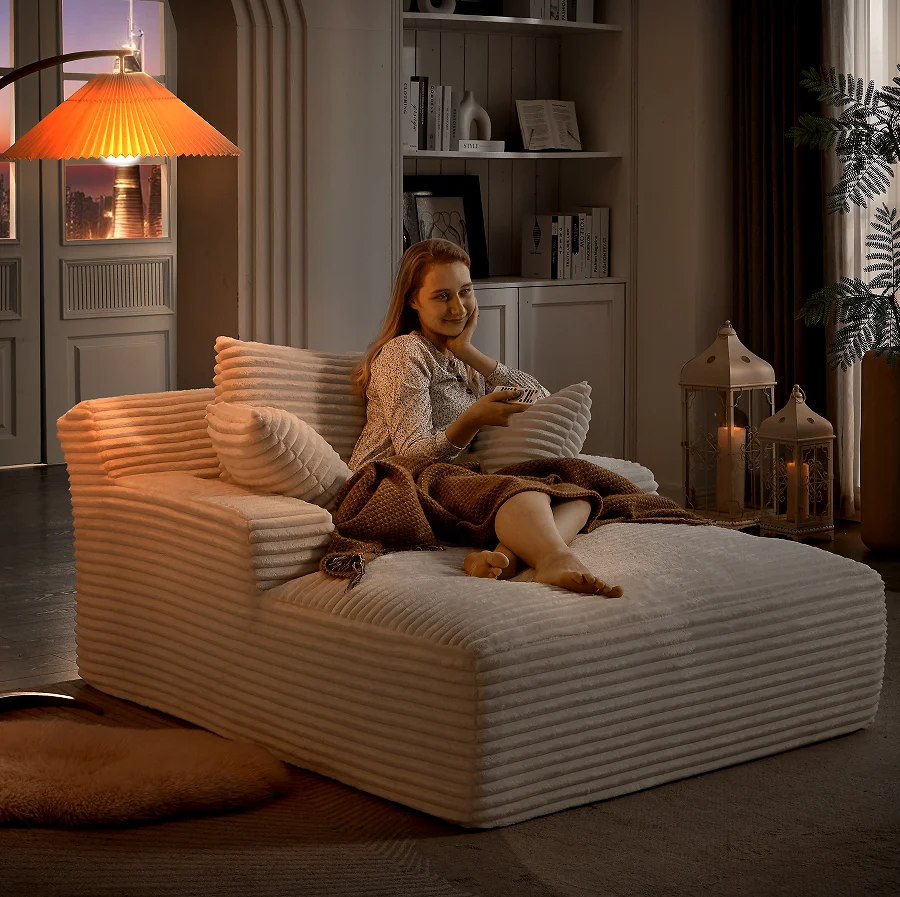
Goldoma Oversized Corduroy Chaise Lounge – Memory Foam, No Assembly
For a stylish and comfortable option, consider the Goldoma Oversized Corduroy Chaise Lounge – Memory Foam, No Assembly, which blends plush seating with a supportive sleeping surface.
Frequently asked questions
Is a memory foam sleeper sofa comfortable for everyday sleeping?
While memory foam sleeper sofas are designed for occasional use, high-quality models with thick foam (at least 4 inches) can be comfortable for nightly sleeping. However, they may not offer the same support as a dedicated mattress over the long term.
How do I clean a memory foam sleeper sofa?
Vacuum the foam regularly and spot clean with mild detergent. Avoid soaking the foam. Many covers are removable and machine washable—check the care label.
What size memory foam sleeper sofa should I buy?
Twin is ideal for one person or small spaces, full fits a single adult comfortably, and queen accommodates two. Measure your room and consider the fully extended length.
Does memory foam sleep hot?
Traditional memory foam can retain heat, but many modern sleeper sofas use gel-infused or open-cell foam to improve airflow. Look for cooling features if you sleep warm.