
Blog
Metal Storage Cabinet Buying Guide for Home Offices
Buying Guide
Your Complete Metal Storage Cabinet Buying Guide
A metal storage cabinet is more than just a place to stash files; it’s the backbone of an organized home office. In this guide, we’ll walk you through everything you need to know to pick the right one for your space.
Why Choose a Metal Storage Cabinet?
Metal storage cabinets have long been a staple in offices and garages, and for good reason. They offer a level of durability that wood or plastic simply can’t match, resisting scratches, dents, and moisture. In a home office, where you might be juggling paperwork, electronics, and supplies, a metal cabinet provides a sturdy and secure home for your essentials.
Unlike open shelving, a cabinet with doors keeps your items out of sight, reducing visual clutter. This is especially valuable if you share your workspace with others or want to maintain a clean, professional appearance for video calls. Plus, metal cabinets are often more affordable than their wooden counterparts, making them a budget-friendly choice for many households.
Key Considerations Before Buying
Before you start shopping, it’s important to assess your needs. Here are some factors to keep in mind:
- Size and Dimensions: Measure your available floor space and ceiling height. Consider the depth of the cabinet as well, as you’ll need room to open the doors fully.
- Storage Capacity: Think about what you’ll be storing. File folders, office supplies, or heavier equipment? The number and adjustability of shelves matter.
- Material and Finish: Steel is the most common material, but not all steel is created equal. Look for a powder-coated finish that resists rust and scratches.
- Security Features: Some cabinets come with locks, while others are lockable but don’t include a lock. Decide if you need to secure sensitive documents.
- Assembly Requirements: Check if the cabinet requires assembly and what tools are needed. Some come fully assembled, saving you time.
Types of Metal Storage Cabinets
Metal cabinets come in a variety of styles, each suited to different purposes. Understanding the differences will help you narrow down your options.
Vertical File Cabinets
These are tall and narrow, designed to hold hanging file folders. They typically have one to four drawers and are ideal for documents. If you have a lot of paperwork, a vertical file cabinet might be your best bet.
Lateral File Cabinets
Wider than vertical files, lateral cabinets offer more surface area on top, which can double as a workspace. They often have drawers that open side to side, making them easier to access in tight spaces.
Storage Cabinets with Shelves
These have adjustable shelves instead of drawers, offering flexibility for storing a mix of items like binders, boxes, and office supplies. They’re great for general storage and can accommodate items of varying heights.
Combination Cabinets
Some cabinets combine drawers and shelves, giving you the best of both worlds. They’re versatile and can adapt to changing storage needs over time.
Sizing and Placement Tips
To make the most of your metal storage cabinet, consider where you’ll place it. In a home office, you might want it near your desk for easy access to frequently used items, or against a wall to maximize floor space.
Measure the width, depth, and height of the area where you plan to put the cabinet. Remember to account for door swings and clearance. If you’re placing it in a corner, a cabinet with a smaller footprint but taller height might be more efficient.
Also, think about the weight capacity. If you’re storing heavy items like binders or tools, ensure the shelves can support the load. Most metal cabinets have a specified weight limit per shelf, so check that before you load up.
Material and Build Quality
The durability of a metal storage cabinet depends largely on the quality of the steel and the manufacturing process. Cold-rolled steel is stronger and more resistant to dents than hot-rolled steel. A powder-coated finish not only adds color but also protects against chipping and rust.
Pay attention to the gauge of the steel—thicker steel (lower gauge number) is sturdier but heavier. For most home office applications, a 20- or 22-gauge steel is sufficient. Also, check the hardware: smooth-gliding drawers and sturdy hinges are essential for daily use.
Style and Aesthetics
While functionality is key, you don’t want a cabinet that clashes with your decor. Metal cabinets are available in a range of colors, from classic black and white to more vibrant hues. Some have a matte finish, while others are glossy.
If you want a sleek, modern look, choose a cabinet with clean lines and minimal detailing. For a more industrial vibe, consider one with exposed rivets or a hammered texture. The right cabinet can actually enhance the overall design of your office.
Maintenance and Care
One of the advantages of metal cabinets is their low maintenance. To keep yours looking new, simply wipe it down with a damp cloth and mild detergent as needed. Avoid abrasive cleaners that can scratch the finish.
Periodically check the hinges and slides for any signs of wear, and lubricate them with a silicone spray if they start to squeak. If you live in a humid environment, consider placing a desiccant inside to prevent moisture buildup.
Budgeting for Your Cabinet
Metal storage cabinets range in price from budget-friendly options to high-end models. The cost depends on size, brand, and features like locks or adjustable shelving. Set a budget before you start shopping, but be willing to invest a bit more if it means getting a higher-quality piece that will last for years.
Remember that a cabinet is an investment in your productivity and organization. Skimping on quality might lead to a wobbly unit that needs replacing sooner than you’d like.
Top Picks and Recommendations
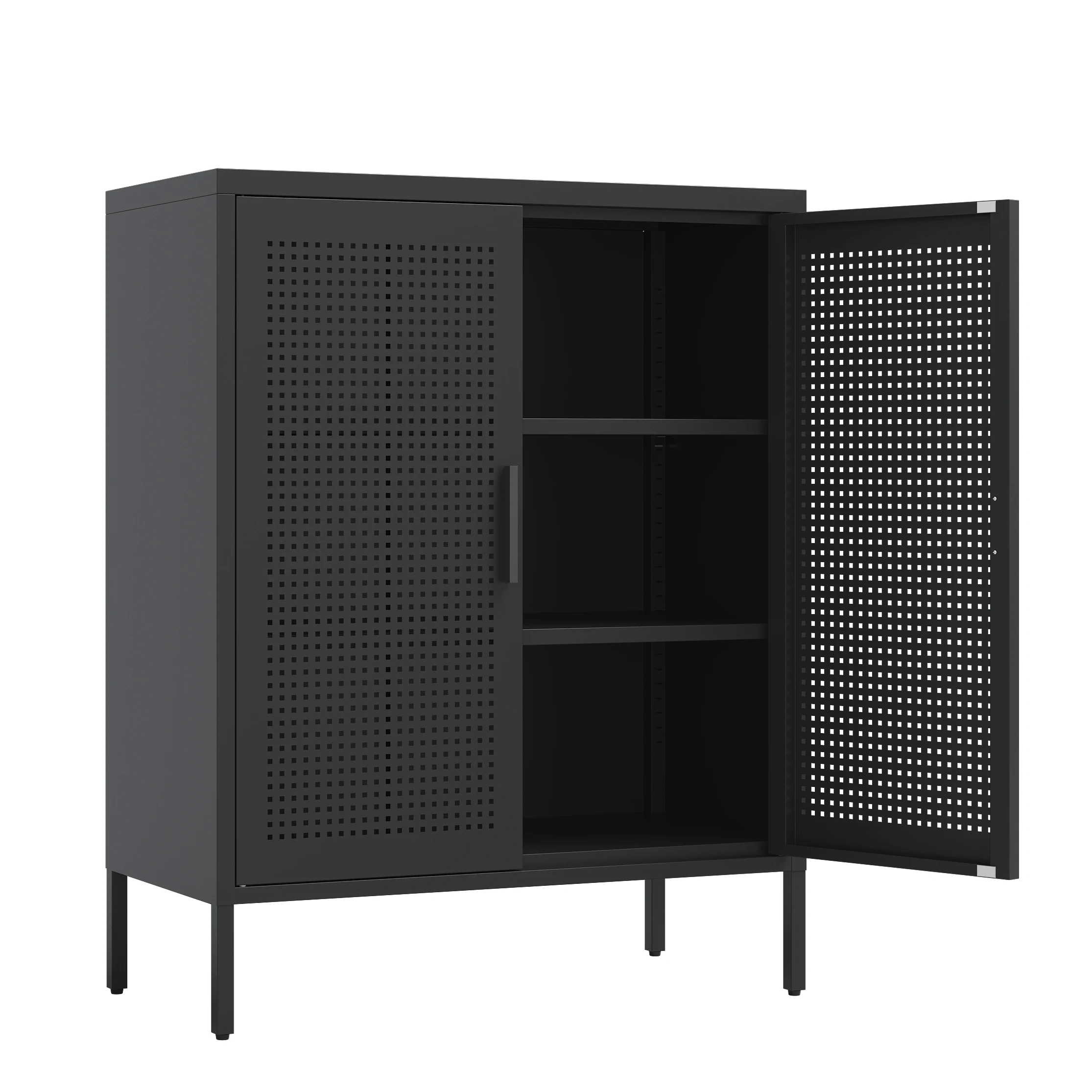
After all this research, you might be wondering which cabinets are worth your money. While we can’t cover every brand, we can point you to a reliable option: our very own Home Office Metal Storage Cabinet, which features two doors and two adjustable shelves. It’s designed for functionality and style, and it’s a solid choice for any home office.
As you shop, keep an eye out for customer reviews and ratings. Real-world feedback can give you insights into the durability and ease of assembly that you won’t find in product descriptions.
Final Thoughts
Choosing the right metal storage cabinet is a decision that can greatly improve your home office organization. By considering your space, storage needs, and aesthetic preferences, you’ll find a cabinet that serves you well for years to come.
Remember to measure carefully, prioritize quality, and don’t forget about maintenance. With the right cabinet, you’ll enjoy a tidier, more efficient workspace.
Home Office Metal Storage Cabinet with 2 Doors and 2 Adjustable Shelves Steel File Cabinet No Lock Required
If you’re looking for a reliable and stylish option, consider the Home Office Metal Storage Cabinet with 2 Doors and 2 Adjustable Shelves from Goldoma—it’s a practical choice that won’t disappoint.
Frequently asked questions
What are the benefits of a metal storage cabinet over a wooden one?
Metal cabinets are generally more durable, resistant to moisture and pests, and often lighter and more affordable than wood. They also offer a modern industrial look that fits many decor styles.
How much weight can a typical metal storage cabinet hold?
It varies by model, but most metal cabinets can support between 50 to 150 pounds per shelf. Always check the manufacturer’s specifications to ensure it meets your needs.
Can I use a metal storage cabinet in a garage or outdoor area?
Yes, but you should look for a cabinet with a rust-resistant finish and consider placing it in a sheltered area. Prolonged exposure to rain or extreme temperatures can still cause wear.
Do I need to assemble a metal storage cabinet myself?
Many metal cabinets require some assembly, but instructions are usually straightforward. Some come fully assembled, so check the product details before purchasing.
