
Blog
How to Choose a Microwave Safe Container: A Complete Guide
Kitchen Essentials
Your Guide to a Truly Microwave Safe Container
Finding a microwave safe container that actually lives up to the label can feel like a guessing game. But with a few simple checks, you can heat your leftovers safely and confidently.
What Makes a Container Microwave Safe?
A microwave safe container is designed to withstand high heat without warping, melting, or leaching harmful chemicals into your food. Most microwave-safe plastics are made from polypropylene (PP) or similar materials that resist heat up to around 250°F. Glass and ceramic containers are naturally heat-resistant, but they should be labeled as microwave-safe to avoid thermal shock—a sudden temperature change that can cause cracking.
Always look for a microwave-safe symbol (usually a microwave icon or wavy lines) on the bottom of the container. If it’s missing, check the manufacturer’s website or avoid using it in the microwave altogether.
Materials to Look For and Avoid
Not all materials are created equal when it comes to microwave safety. Here’s a quick breakdown:
- Glass: Borosilicate or tempered glass is excellent—it handles heat well and doesn’t absorb odors. But avoid thin, decorative glass that may not be tempered.
- Ceramic: Glazed ceramic is generally safe, but avoid any with metallic trim or paint, as metal can spark.
- Plastic: Only use plastics labeled microwave-safe (usually #5 PP). Never microwave single-use containers like margarine tubs—they can warp or release chemicals.
- Styrofoam: Not microwave-safe unless specifically labeled; most will melt or leach styrene.
For a deeper dive into material safety, check out this Wikipedia article on microwave safety.
How to Test if a Container Is Microwave Safe
If you’re unsure whether an unmarked container is safe, try this simple test: Fill the container with water and microwave it on high for one minute. If the container stays cool to the touch while the water is hot, it’s microwave-safe. If the container itself gets hot, it’s absorbing microwaves and should not be used. Also, watch for sparking or arcing, which indicates metal content.
Common Warning Signs
- Warping or softening after short heating
- Hot spots on the container surface
- Unusual smells or discoloration
Features of a Quality Microwave Safe Container
A reliable microwave safe container should have these features:
- Heat-resistant lid: Lids often have vents or steam release mechanisms to prevent pressure buildup. Make sure the lid is also microwave-safe—some are not.
- Leak-proof seal: A tight seal prevents spills when you transport food, but remember to loosen it slightly before microwaving to allow steam to escape.
- BPA-free material: Bisphenol A is a chemical that can leach into food when heated. Look for BPA-free labels, especially in plastics.
- Ergonomic design: Containers with easy-grip sides and secure latches are easier to handle when hot.
Common Mistakes When Using Microwave Safe Containers
Even with a microwave safe container, misuse can cause accidents. Here are pitfalls to avoid:
- Heating empty containers: Always heat food or liquid inside. Empty containers can overheat and crack.
- Using damaged containers: Cracks or scratches can harbor bacteria and weaken the structure—replace them.
- Ignoring the lid: Some lids are not microwave-safe even if the base is. Check both parts separately.
- Overheating oily foods: Oils can reach temperatures above the container’s safe limit. Use lower power settings for fatty foods.
Care and Maintenance Tips
To extend the life of your microwave safe container, follow these care tips:
- Allow containers to cool before washing to avoid thermal shock.
- Hand wash with mild detergent; high heat in dishwashers can degrade some plastics over time.
- Store containers with lids slightly open to prevent odor buildup.
- Replace any container that shows signs of wear, like cloudiness or cracks.
With proper care, a good container can last for years.
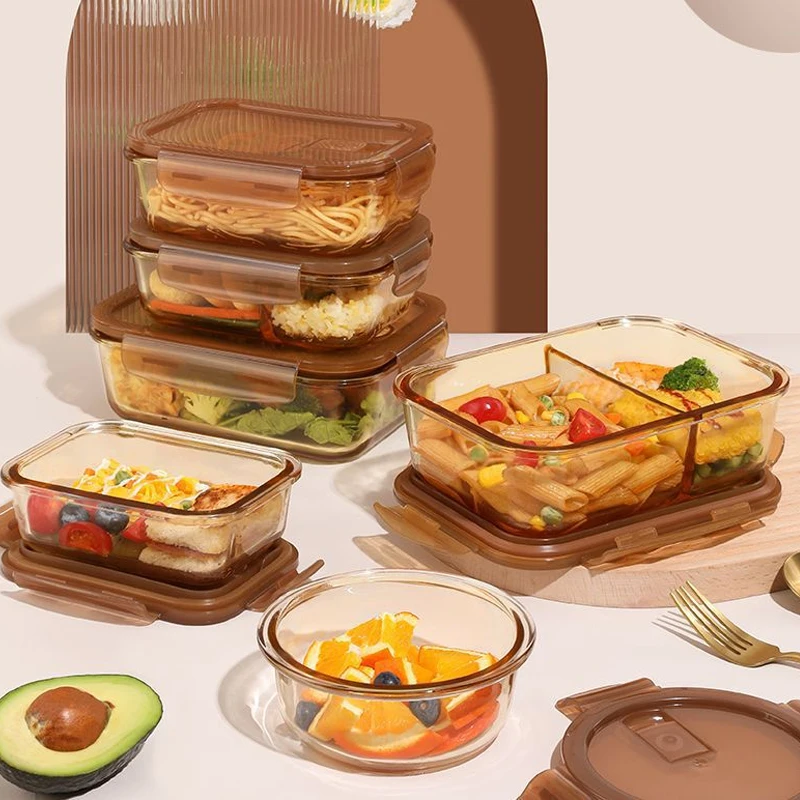
Rectangular Glass Crisper Lunch Box Microwave Lunch Box Heat-resistant Sealed Lunch Box Kitchen Utensils Household Tableware
For a reliable option, consider the Rectangular Glass Crisper Lunch Box—heat-resistant, sealed, and designed for everyday microwave use.
Frequently asked questions
Can I put any glass container in the microwave?
Not all glass is microwave-safe. Only use glass labeled as microwave-safe or tempered. Thin, decorative glass may shatter due to thermal shock.
Is it safe to microwave plastic containers?
Only if they are labeled microwave-safe. Look for recycling code #5 (polypropylene). Avoid single-use plastics and those without a microwave-safe symbol.
Why does my container get hot in the microwave?
If the container feels hot while the food is cool, it may contain metal or be made of a material that absorbs microwaves. Stop using it immediately.
How long can I microwave a container?
Follow the manufacturer’s instructions. In general, avoid heating for more than 2-3 minutes at a time, and use lower power settings for longer heating.
