
Blog
How to Choose a Mid-Century Nightstand
Buying Guide
Your Guide to the Perfect Mid-Century Nightstand
A mid-century nightstand is more than just a place to set your alarm clock—it’s a design statement that can anchor your bedroom’s aesthetic. Whether you’re a fan of tapered legs or warm walnut tones, finding the right one requires a balance of form and function.
Why a Mid-Century Nightstand Matters
The mid-century nightstand isn’t just furniture; it’s a piece of history. Born from the clean lines and organic shapes of the 1950s and ’60s, these tables bring a timeless elegance to any bedroom. Their simple silhouettes and natural materials create a calming, uncluttered look that pairs well with both modern and traditional decor.
When you choose a mid-century nightstand, you’re investing in craftsmanship that prioritizes function without sacrificing beauty. The iconic tapered legs and minimal hardware are hallmarks of an era that valued honest design.
Key Features to Look For
Before you start shopping, understand what makes a true mid-century nightstand. Look for clean, geometric lines, angled legs (often called “splayed” or “hairpin”), and warm woods like teak, walnut, or oak. Many designs include a single drawer or a lower shelf for storage.
- Materials: Solid wood or quality veneers with visible grain.
- Hardware: Simple metal pulls or wooden knobs.
- Finish: Satin or matte to highlight the wood’s natural beauty.
Choosing the Right Size
Proportion is key. A nightstand should be roughly the same height as your mattress top—or just a few inches lower—for easy reach. Width should be proportional to your bed: a queen bed can handle 24-30 inches wide, while a king might need up to 36 inches. Depth typically ranges from 15 to 20 inches. Measure your space and consider door swings and pathways.
Standard Dimensions
- Height: 24–28 inches
- Width: 18–30 inches
- Depth: 15–20 inches
Wood Types and Finishes
Wood defines the character of a mid-century nightstand. Walnut offers rich, dark tones; teak is durable with a golden hue; oak provides a lighter, more casual look. Many pieces use veneers over engineered wood for stability. Always check the finish: a natural oil or lacquer enhances the grain without hiding it.
If you prefer a lighter palette, oak or ash in a natural finish keeps the room airy. For a bolder statement, walnut or teak adds warmth and depth.
Storage and Functionality
Think about what you’ll store. A single drawer is ideal for remotes, glasses, and chargers. Some nightstands offer a lower shelf for books or baskets. Avoid overcrowding the surface—a lamp, a book, and a small plant are enough. Drawer construction matters: look for dovetail joints and smooth glides.
Style Integration
A mid-century nightstand works with many decor styles. Pair it with a platform bed and minimalist linens for a classic look. Or mix it with boho textiles and plants for a relaxed vibe. The key is to let the nightstand’s simple lines shine. Avoid overly ornate bedding or busy patterns that compete.
For more on mid-century design principles, check out this Wikipedia article on mid-century modern.
Maintenance Tips
Dust regularly with a soft cloth. Use coasters for drinks to avoid rings. Keep away from direct sunlight to prevent fading. Apply furniture polish occasionally to maintain the finish. With care, your mid-century nightstand will last for decades.
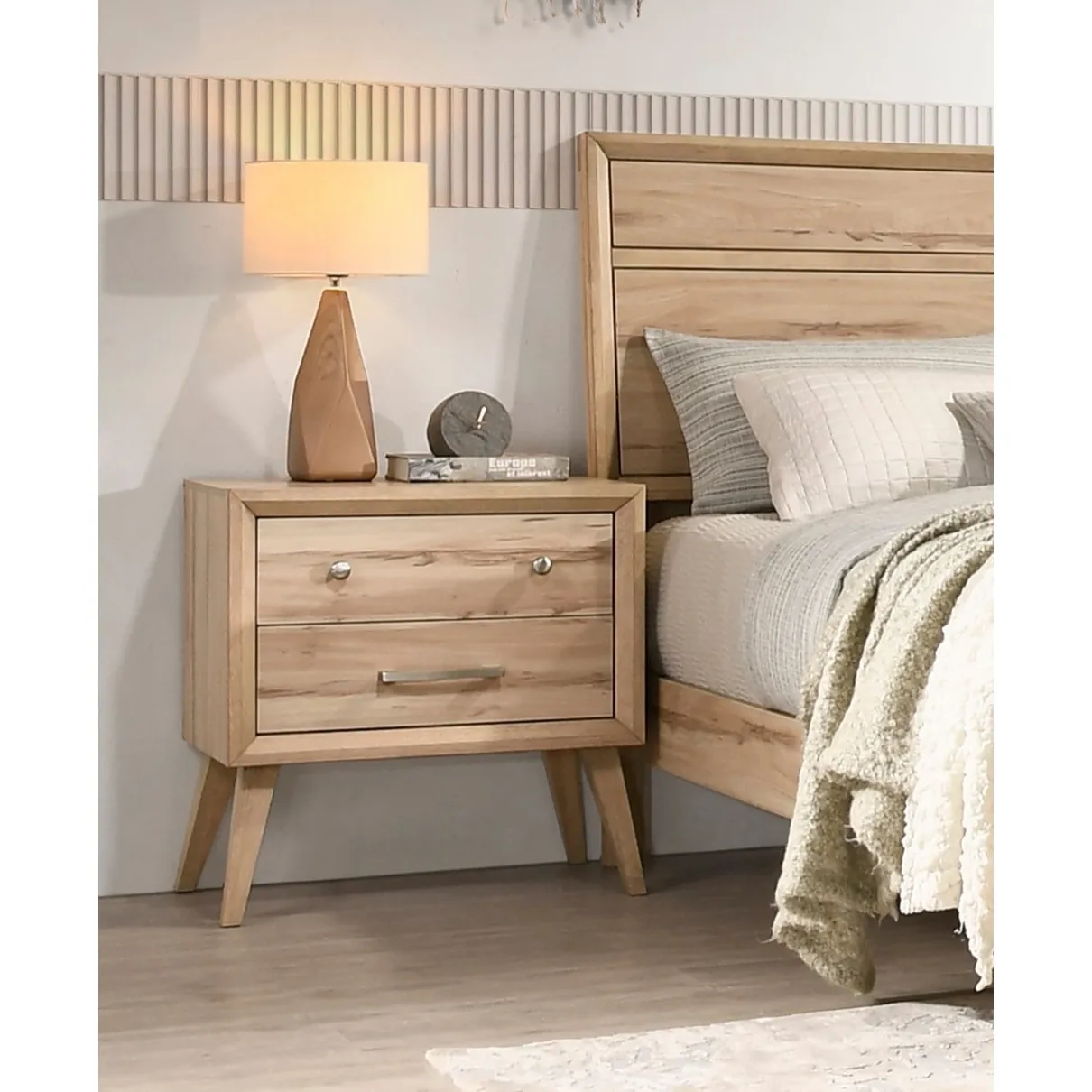
Classic Mid-Century Nightstand with 2 Drawers, Natural Oak Finish
For a classic option that nails the look, consider the Classic Mid-Century Nightstand with 2 Drawers, Natural Oak Finish—it’s built with solid wood and simple lines that feel right at home in any setting.
Frequently asked questions
What is the ideal height for a mid-century nightstand?
The ideal height is level with or slightly below the top of your mattress, typically 24–28 inches. This ensures easy access to items without straining.
Can a mid-century nightstand work in a modern bedroom?
Absolutely. Its clean lines and natural materials complement modern decor, adding warmth and a touch of vintage character without clashing.
What wood is best for a mid-century nightstand?
Teak, walnut, and oak are classic choices. Teak is durable and water-resistant; walnut offers rich color; oak is lighter and more casual. Choose based on your decor tone.
How do I maintain a wooden mid-century nightstand?
Dust weekly with a soft cloth, use coasters, avoid direct sunlight, and apply a quality furniture polish every few months to preserve the finish.
