Follow us on Instagram @goldomallc
Free shipping on orders over $53 USD
Handcrafted with love
New home décor collection available now
Use code GOLDOMA15 for 15 % off
Follow us on Instagram @goldomallc
Free shipping on orders over $53 USD
Handcrafted with love
New home décor collection available now
Use code GOLDOMA15 for 15 % off


How to Choose the Perfect Mid Century Nightstand
Buying Guide
Find Your Ideal Mid Century Nightstand
A mid century nightstand can anchor your bedroom with timeless style. Here’s how to pick the right one for your space.
Style Function Size
What Makes a Mid Century Nightstand Special?
The mid century nightstand is defined by clean lines, tapered legs, and a blend of organic and geometric forms. Originating from the mid-20th century design movement, these pieces prioritize simplicity and functionality. Often crafted from wood like walnut or teak, they feature minimal ornamentation and a warm, natural finish. A genuine mid century nightstand should have a balanced proportion—not too bulky, not too delicate—and often includes dovetail drawers or sculpted hardware.
For a deeper dive into the history, check out this Wikipedia article on mid-century modern design.
Key Features to Look For
When shopping for a mid century nightstand, focus on three elements: materials, construction, and design details. Solid wood (especially walnut, oak, or teak) ensures durability and authenticity. Look for dovetail joinery in drawers—a sign of quality craftsmanship. Tapered legs that angle outward slightly are a hallmark of the style. Avoid pieces with excessive plastic or metal accents unless they complement the wood.
Drawer Configuration
- Single drawer: ideal for small spaces or minimalist needs
- Two drawers: offers more storage without overwhelming the room
- Open shelf: great for displaying books or a lamp
Size and Proportion Matter
A mid century nightstand should be proportionate to your bed and room. Standard heights range from 22 to 26 inches—ideally level with your mattress top. Depth should be around 15–18 inches to avoid crowding the bed. Width varies: a single nightstand for a twin bed may be 18 inches, while for a king bed, you might go up to 30 inches. Measure your space and consider the scale of other furniture.
Materials: Wood Finishes and Beyond
Walnut offers rich, dark tones; teak is durable and water-resistant; oak is sturdy with pronounced grain. Many mid century nightstands feature a medium wood finish that highlights natural grain. Some incorporate laminate or veneer for affordability, but solid wood is preferred for longevity. Avoid glossy finishes—the original aesthetic favored satin or matte.
Where to Place Your Nightstand
Place your mid century nightstand within easy reach of the bed, typically on one or both sides. Leave enough space between the bed and nightstand for a lamp and your phone. Consider the flow of the room: the nightstand should not obstruct pathways or doors. In a small bedroom, a single mid century nightstand with a slim profile can serve as a statement piece.
Caring for Your Nightstand
Dust regularly with a soft cloth. Use coasters to prevent water rings. Avoid direct sunlight to prevent fading. For wood, apply a furniture polish or wax every few months to maintain luster. If spills occur, wipe immediately. With proper care, a quality mid century nightstand can last for decades.
Worth a look
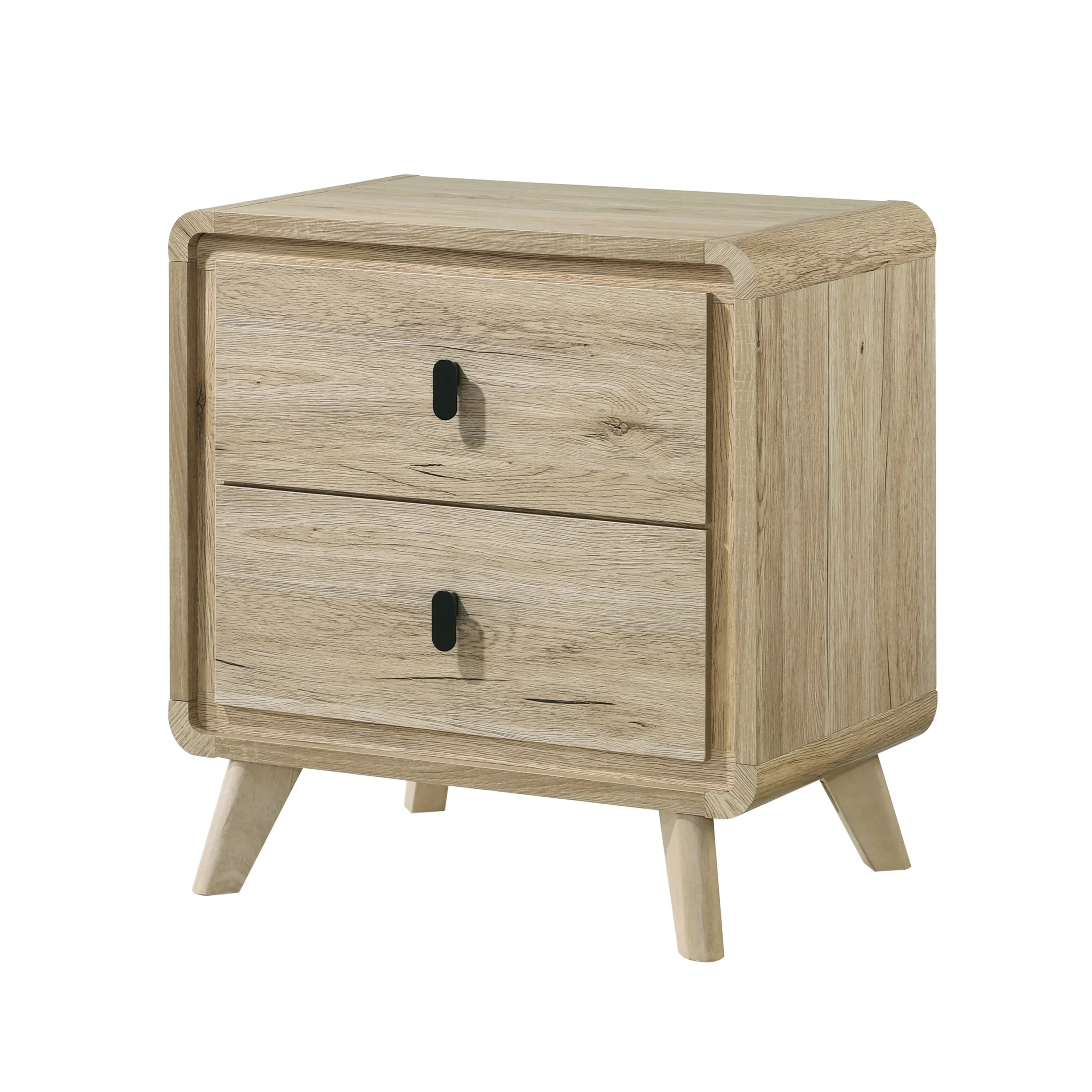
Mid Century Wood Finish Two Drawer Nightstand
For a reliable option, consider the Mid Century Wood Finish Two Drawer Nightstand, which captures the era’s essence with solid wood and clean lines.
Frequently asked questions
What is the standard height of a mid century nightstand?
Typically 22 to 26 inches tall, so it aligns with the top of your mattress.
Can a mid century nightstand fit in a modern bedroom?
Absolutely. Its clean lines and natural materials complement many decor styles.
What wood is best for a mid century nightstand?
Walnut and teak are classic choices, but oak and cherry also work well.
How do I verify the authenticity of a mid century nightstand?
Look for tapered legs, dovetail drawers, and original labels or stamps from known manufacturers.