
Blog
How to Choose the Perfect Mid Century Sideboard
Buying Guide
Find Your Ideal Mid Century Sideboard Today
A mid century sideboard is more than just storage; it’s a statement piece that anchors your living space. Whether you’re a design enthusiast or a practical homeowner, choosing the right one requires a blend of aesthetics and functionality.
What Defines a Mid Century Sideboard?
The mid century sideboard is a hallmark of the design movement that flourished from the 1940s to the 1960s. Characterized by clean lines, organic curves, and a focus on functionality, these pieces often feature tapered legs, minimal ornamentation, and rich wood grains. They were designed to be both beautiful and practical, offering ample storage for dining essentials, barware, or media equipment. The enduring appeal lies in their ability to blend seamlessly with modern interiors while adding a touch of vintage warmth.
When shopping for a mid century sideboard, look for key elements like dovetail joinery, solid wood construction, and a balanced silhouette. Many original pieces were made from teak, walnut, or rosewood, but contemporary versions use sustainable materials like mango or acacia. The best sideboards strike a harmony between form and function, enhancing your room without overwhelming it.
Why Choose a Solid Wood Sideboard?
Solid wood is the gold standard for mid century sideboards. Unlike veneers or particleboard, solid wood offers durability, longevity, and a natural beauty that ages gracefully. Each piece of wood has unique grain patterns, ensuring your sideboard is one-of-a-kind. Solid wood also allows for refinishing, so if your style evolves, you can sand and stain the piece to match new décor.
From an environmental perspective, solid wood sideboards sourced from responsibly managed forests are a sustainable choice. They store carbon and can last for decades, reducing waste. When evaluating wood types, consider oak for strength, walnut for rich color, or mango for its fast-growing, eco-friendly properties. Always check for certifications like FSC to ensure responsible sourcing.
Key Features to Look For
When selecting a mid century sideboard, pay attention to the following features:
- Storage Configuration: Look for a mix of drawers, cabinets, and open shelves. Drawers are ideal for flatware and linens, while cabinets hide bulky items. Adjustable shelves add flexibility.
- Dimensions: Measure your space carefully. A sideboard should be proportional to the room—typically 30-36 inches high, 48-72 inches wide, and 16-20 inches deep. Allow at least 3 feet of clearance for walking.
- Legs: Tapered, angled legs are a signature of mid century design. They give the piece a light, airy feel and make cleaning underneath easier. Hairpin legs are a modern twist on the classic.
- Hardware: Simple, geometric pulls or recessed handles maintain the clean look. Brass or matte black finishes complement the wood tones.
How to Incorporate a Sideboard into Your Home
A mid century sideboard is incredibly versatile. In the dining room, it can store china, glassware, and table linens, while serving as a buffet for dinner parties. In the living room, it’s perfect for housing media equipment, books, or bar accessories. You can also use it in an entryway for keys and mail, or in a home office for files and supplies.
Styling tips: Keep the top surface uncluttered. A few curated objects—a ceramic vase, a stack of art books, or a sculptural lamp—let the sideboard shine. For a cohesive look, echo the wood tone in other furniture or flooring.
Eco-Friendly Design: A Modern Must
Today’s mid century sideboards often embrace eco-friendly design. Look for pieces made from reclaimed wood or certified sustainable forests. Low-VOC finishes and water-based glues reduce indoor air pollution. Some manufacturers also use recycled metal for hardware. Choosing an eco-friendly sideboard minimizes your environmental footprint while adding a story to your furniture.
Reclaimed wood, for instance, salvages timber from old barns or factories, giving it a unique patina and history. It’s a conversation starter and a sustainable choice. Additionally, sideboards with modular designs allow for easy disassembly and recycling at the end of life.
Understanding Wood Grains and Finishes
The grain pattern of wood greatly affects the aesthetic of a mid century sideboard. Straight grains offer a clean, uniform look, while cathedral grains (arching patterns) add visual interest. Open-grain woods like oak have a pronounced texture that can be felt, while closed-grain woods like maple feel smooth. Finishes range from matte to satin to gloss; matte is closer to the original mid century look, highlighting the wood’s natural beauty.
Consider the room’s existing color palette. Walnut pairs well with neutrals and jewel tones, while teak complements greens and blues. A clear finish shows the wood’s natural color, while a stain can darken or warm it. Always ask for a sample or swatch before purchasing.
Maintenance and Care Tips
To keep your mid century sideboard looking its best, dust regularly with a soft cloth. Avoid direct sunlight, which can fade the wood. Use coasters for drinks and trivets for hot dishes. For spills, wipe immediately with a damp cloth and dry thoroughly. Once or twice a year, apply a furniture wax or oil to nourish the wood and restore luster.
If the sideboard has metal or brass hardware, polish it occasionally with a non-abrasive cleaner. Check screws and hinges periodically to ensure they’re tight. With proper care, a quality solid wood sideboard can last a lifetime and become a family heirloom.
For more on the history of mid-century design, visit Wikipedia’s page on Mid-century modern.
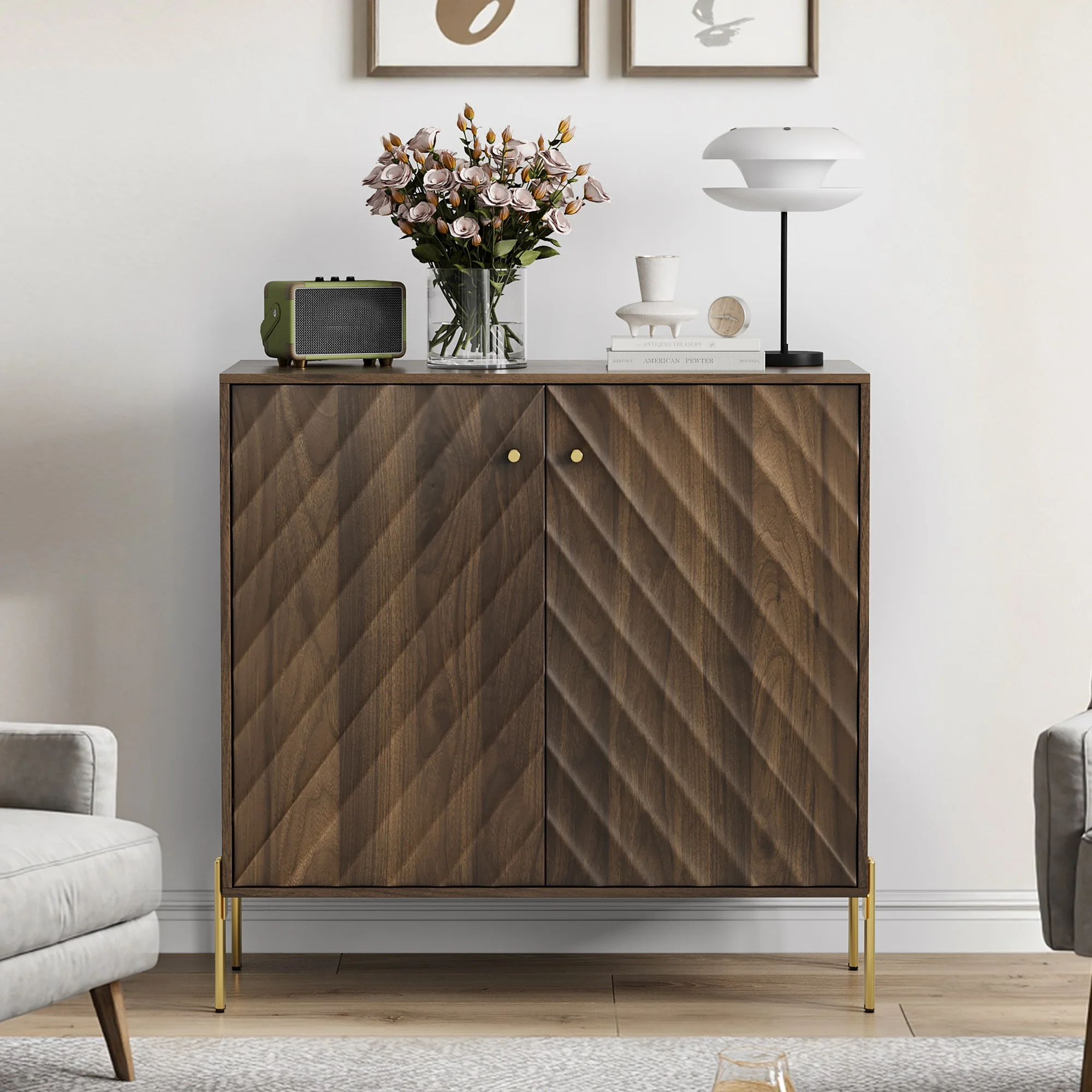
Sideboard Buffet Storage Mid-century Modern Style Solid Wood Sideboard Eco-Friendly Design for Living Room Dining Room
If you’re looking for a modern take, the Sideboard Buffet Storage Mid-century Modern Style Solid Wood Sideboard Eco-Friendly Design offers solid wood construction and sustainable materials, blending timeless style with responsible sourcing.
Frequently asked questions
What is the ideal height for a mid century sideboard?
Most mid century sideboards are 30-36 inches tall, which aligns with standard dining table heights and allows for easy access. Measure your space and consider the eye level when seated.
Can a mid century sideboard work in a small apartment?
Absolutely. Look for a narrower model (under 48 inches wide) with raised legs to create a sense of openness. A sideboard with doors can hide clutter, making a small space feel tidy and organized.
How do I tell if a sideboard is authentic mid century?
Authentic pieces often have dovetail joints, solid wood construction, tapered legs, and minimal ornamentation. Check for maker’s marks or labels. Modern reproductions may use similar designs but with contemporary materials.
What’s the best wood for a mid century sideboard?
Teak and walnut are classic choices for their rich colors and durability. Oak is also popular for its strength and prominent grain. For an eco-friendly option, consider mango or acacia wood.