
Blog
The Ultimate Guide to Choosing a Minimalist Sofa
Buying Guide
How to Pick the Perfect Minimalist Sofa
A minimalist sofa is more than just a piece of furniture—it’s a statement of simplicity and intentionality. Whether you’re furnishing a small apartment or a spacious living room, finding the right one can transform your space.
What Defines a Minimalist Sofa?
A minimalist sofa is characterized by clean lines, neutral colors, and a lack of ornate details. It prioritizes function over form, but that doesn’t mean it sacrifices style. The best minimalist sofas blend seamlessly into any room, offering a calm and uncluttered aesthetic.
Key features include:
- Simple silhouettes with no excessive tufting or piping
- Neutral tones like beige, gray, white, or muted earth colors
- High-quality materials that age gracefully
- Modular or compact designs for flexibility
When shopping, look for a piece that feels cohesive with your existing decor. A true minimalist sofa should almost disappear into the room, letting other elements shine.
Why Choose a Minimalist Sofa for Your Home?
Minimalism isn’t just a trend—it’s a lifestyle choice that promotes mental clarity and reduces visual noise. A minimalist sofa supports this by providing a solid foundation for your living space. It’s versatile enough to work in various settings, from modern lofts to cozy cottages.
Benefits include:
- Easier to style with accessories
- Timeless design that won’t look dated
- Often more affordable due to simpler construction
- Easier to clean and maintain
Additionally, a minimalist sofa can make a small room feel larger by not overwhelming the space with bulk or busy patterns.
Materials: What to Look for in a Minimalist Sofa
The material of your minimalist sofa affects both its look and longevity. Common choices include:
Fabric
Cotton, linen, and polyester blends are popular for their softness and durability. Look for high thread counts and stain-resistant finishes. Natural fibers like linen offer a relaxed, organic feel.
Leather
Full-grain leather develops a beautiful patina over time and is easy to clean. It’s a classic choice for minimalist designs, though it can be pricier.
Wood
Exposed wooden frames add warmth. Opt for sustainably sourced hardwoods like oak or ash. The finish should be smooth and simple.
Always check the frame construction—kiln-dried hardwood with reinforced joints ensures longevity. For more on furniture materials, see this Wikipedia article.
Size and Scale: Finding the Right Fit
A minimalist sofa should complement your room’s proportions. Measure your space carefully, leaving room for walking and other furniture. Consider:
- Seat depth: Standard is 21-24 inches, but deeper sofas are more lounging-friendly.
- Back height: Low backs create an airy feel, while high backs offer more support.
- Overall length: A two-seater (52-60 inches) works for small spaces; larger rooms may need a sectional.
Remember, a minimalist sofa doesn’t have to be small—it just needs to be proportional. A large, simple sofa can anchor a room beautifully.
Color and Upholstery Choices
Neutral colors are the hallmark of a minimalist sofa, but don’t be afraid to explore subtle variations. Popular hues include:
- Warm beige or greige for a cozy feel
- Cool gray for a modern edge
- Off-white or cream for brightness
- Dusty blue or sage green for a pop of color
Textured fabrics like bouclé or tweed add depth without pattern. Avoid loud prints or shiny materials that distract from the minimalist ethos.
Comfort and Functionality
A minimalist sofa must be comfortable. Test the cushion firmness—medium density with a supportive core is ideal. Look for:
- Removable covers for easy cleaning
- Modular sections that can be rearranged
- Built-in storage for small spaces
Functionality doesn’t mean sacrificing aesthetics. Many minimalist sofas come with hidden features like USB ports or reclining mechanisms that blend seamlessly into the design.
Styling Your Minimalist Sofa
Once you’ve chosen your sofa, keep the surrounding decor simple. Use a few well-chosen throw pillows in complementary neutrals, a soft blanket, and a sleek coffee table. Avoid clutter—let the sofa breathe.
Lighting plays a key role: floor lamps with clean lines or pendant lights can highlight the sofa without overwhelming it. Artwork on the wall should be minimal, perhaps a single large piece rather than a gallery wall.
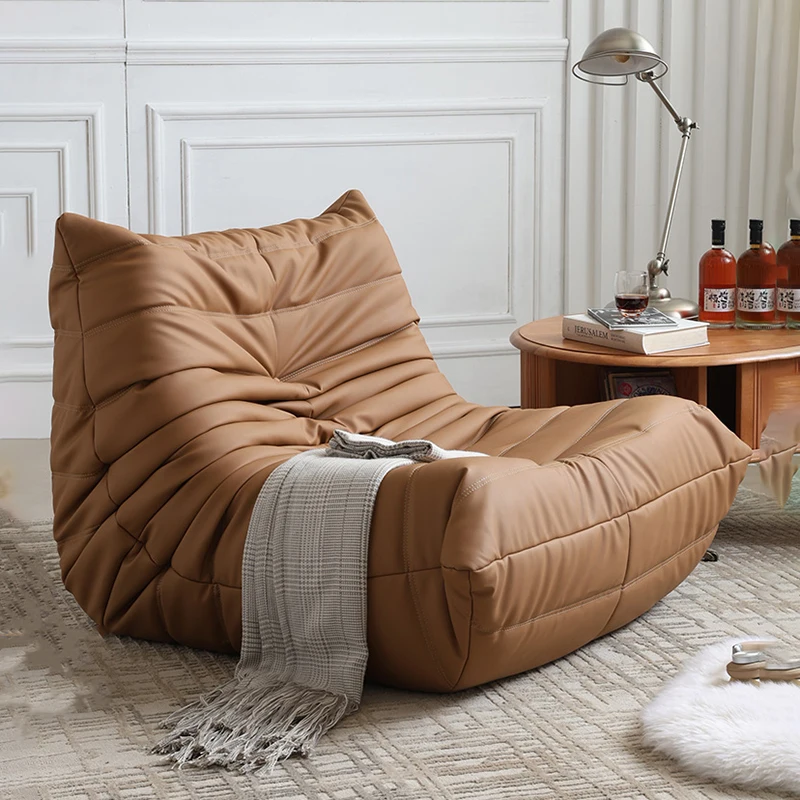
Goldoma Scandinavian Minimalist Boneless Sofa – Single Seat
For a truly seamless addition, consider the Goldoma Scandinavian Minimalist Boneless Sofa – Single Seat, which embodies simplicity and comfort in one sleek package.
Frequently asked questions
What is the best color for a minimalist sofa?
Neutral colors like beige, gray, white, or muted earth tones work best as they blend easily with any decor and maintain a clean look.
How do I clean a minimalist sofa?
Regular vacuuming with a soft brush attachment and spot cleaning with mild soap and water are recommended. Check the manufacturer’s instructions for specific fabrics.
Is a minimalist sofa comfortable?
Yes, many minimalist sofas prioritize comfort with high-quality cushioning and ergonomic designs. Look for models with medium-firm support and deep seats.
Can a minimalist sofa work in a small room?
Absolutely. Its clean lines and neutral colors can make a small space feel larger and less cluttered. Choose a compact size or a modular design for flexibility.