
Blog
Modern Pendant Lamp Buying Guide: Light Up Your Space
Lighting Guide
Modern Pendant Lamp: A Bright Idea for Every Room
A modern pendant lamp can transform a room, adding both style and function. In this guide, we’ll help you navigate the choices to find the perfect fixture for your space.
Why Choose a Modern Pendant Lamp?
Modern pendant lamps are more than just light sources; they are sculptural elements that define a room’s character. Unlike flush mounts or recessed lighting, pendants hang down, creating a visual anchor and casting light where you need it most. Whether you’re aiming for a cozy reading nook or a dramatic dining area, a pendant offers flexibility and flair.
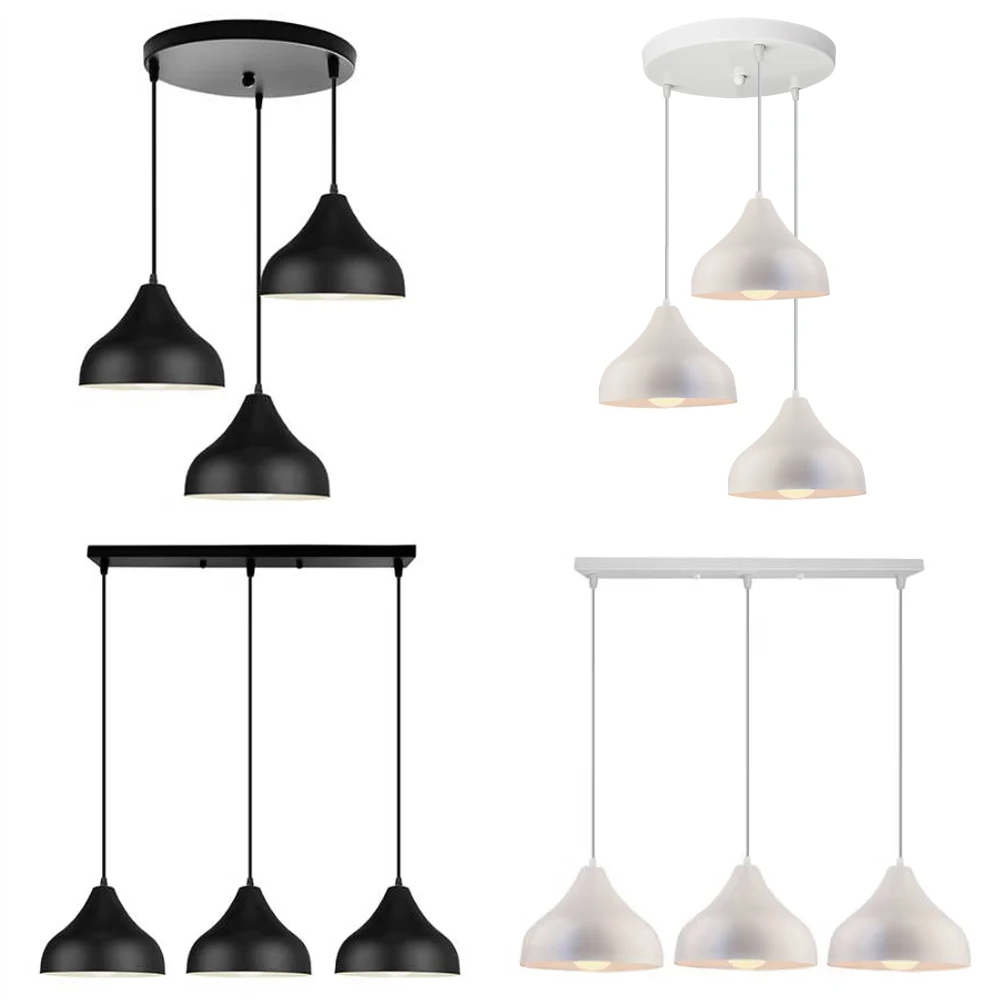
They come in an array of materials, from glass to metal to wood, each bringing its own texture and mood. For instance, a Nordic Minimalist Iron Pendant Lamp Shade 3 Heads Chandeliers Modern Hanging Light Restaurant Bar Bedroom Decor Pendant Lights can add an industrial touch while keeping things airy.
Beyond aesthetics, pendants provide task lighting for activities like reading or cooking, and ambient lighting when used in multiples. They can also make a ceiling appear higher by drawing the eye upward, especially in rooms with lower ceilings.
Understanding Pendant Lamp Styles
Pendant lamps have evolved from simple bulbs on cords to intricate designs that suit any decor. Here are some popular styles to consider:
- Industrial: Characterized by metal shades, exposed bulbs, and utilitarian materials, these add a raw, edgy vibe.
- Mid-Century Modern: Featuring clean lines, geometric shapes, and warm woods, they bring a retro yet timeless feel.
- Scandinavian: Minimalist with soft curves, often in white or pastel tones, they emphasize simplicity and function.
- Glass Globe: A classic choice that diffuses light beautifully, available in clear, frosted, or colored glass.
- Multi-Light: With several arms or shades, these provide more coverage and a dramatic statement.
When selecting a style, think about the existing decor. A modern pendant lamp can either complement the room or serve as a contrast piece. For example, an industrial fixture can warm up a minimalist space, while a sleek Scandinavian design can soften a loft’s harshness.
Choosing the Right Size and Scale
Size matters when it comes to pendants. A fixture that’s too small gets lost, while one that’s too large overwhelms. As a rule of thumb, for a dining table, the pendant’s diameter should be about half to three-quarters the width of the table. For example, a 36-inch table pairs well with an 18- to 24-inch shade.
Consider height as well. The bottom of the pendant should hang about 30 to 36 inches above the table surface. For lighting a hallway or entryway, hang it higher, around 7 feet from the floor, to avoid obstruction.
If you’re lighting a kitchen island, use multiple pendants spaced evenly. A common guideline is to place them 24 to 30 inches apart, centered over the island. For a 6-foot island, two to three pendants work well.
Measuring for a Pendant
Before you buy, measure your ceiling height and the area you want to illuminate. For vaulted ceilings, you may need longer downrods. Most pendants come with adjustable cords or rods, so you can customize the hang length.
Also, consider the visual weight. A bulky shade in a small room can feel heavy, while a delicate glass globe might get lost in a large space. Balance is key.
Where to Place Pendant Lamps
Pendants are versatile and can be used in virtually any room:
- Dining Room: Hang a single statement piece over the table to create an intimate setting.
- Kitchen: Use a row of pendants over islands or counters for task lighting.
- Bedroom: Place pendants on either side of the bed as bedside lamps, saving nightstand space.
- Entryway: A pendant can make a grand first impression, especially in a two-story foyer.
- Living Room: Cluster different heights and styles to form a dynamic focal point.
Think about the function of each space. In a home office, a pendant with a focused beam can reduce eye strain. In a bathroom, a moisture-resistant fixture is a must, and a pendant can provide stylish vanity lighting.
Layering Light with Pendants
Don’t rely on a single light source. Combine pendants with floor lamps, sconces, and recessed lights to create a layered effect. Use dimmers to adjust the mood, and consider the color temperature of your bulbs—warm light (2700K-3000K) is cozy, while cool light (3500K-5000K) is more energizing.
Materials and Finishes
The material of a pendant affects both its look and light quality. Metal shades, like iron or aluminum, direct light downward, making them ideal for tasks. Glass shades diffuse light, creating a soft glow. Fabric shades, such as linen, add warmth and texture but may not be suitable for damp areas.
Finishes also matter. Brushed nickel and chrome offer a sleek, modern look, while matte black and brass add character. Wood and bamboo bring a natural element, fitting for bohemian or rustic styles.
When choosing a finish, think about maintenance. Polished surfaces show fingerprints easily, while textured finishes hide smudges. For kitchens, consider easy-to-clean materials like glass or metal.
Bulb Types and Light Output
The bulb you choose can dramatically affect the ambiance. Here are common options:
- LED: Energy-efficient and long-lasting, available in various color temperatures.
- Incandescent: Warm and flattering but less efficient; being phased out.
- Halogen: Bright and crisp, but runs hot.
- Smart Bulbs: Control color and brightness via app or voice.
Check the maximum wattage and bulb type recommended for your fixture. Some pendants require specific bases, like E26 or GU10. If you’re unsure, consult an electrician.
Dimming for Flexibility
Many pendants are dimmable, but you need compatible bulbs and a dimmer switch. Dimmers allow you to transition from bright task lighting to soft ambient glow, saving energy and extending bulb life.
Installation and Safety Tips
Installing a pendant lamp can be a DIY project if you’re comfortable with wiring, but it’s always safest to hire a licensed electrician, especially if you’re adding new wiring or moving fixtures. Always turn off the power at the circuit breaker before starting.
Consider the weight of the fixture. Most ceiling boxes can support up to 50 pounds, but heavier fixtures may require additional support. Check the manufacturer’s instructions.
If you’re renting, look for plug-in pendants that don’t require hardwiring. These can be hung from a hook and plugged into an outlet, making them easy to remove.
For high ceilings, you might need a ladder or pole to change bulbs. Some pendants have reversible shades or accessible sockets to simplify maintenance.
Budgeting for Your Pendant Lamp
Pendant lamps range from budget-friendly to designer prices. Determine your budget early, but remember that quality matters. A well-made fixture will last longer and look better. Look for solid materials, sturdy construction, and reputable brands.
Don’t forget to factor in the cost of bulbs, dimmers, and installation if needed. Sometimes a slightly more expensive fixture with built-in LED saves money in the long run.
When shopping, compare prices online and in stores. Read reviews to gauge reliability and ease of installation.
Making a Statement on a Budget
You don’t have to spend a fortune to get a stylish modern pendant lamp. Many affordable options mimic high-end designs. Consider buying from online marketplaces or during sales. A simple, well-designed shade can elevate a room without breaking the bank.
For a unique look, you can even customize a basic pendant with a new shade or paint. Get creative and make it your own.
Trends and Inspiration
Current trends in pendant lighting include:
- Organic shapes: Irregular, blob-like glass shades inspired by nature.
- Mixed materials: Combining wood and metal for a warm industrial feel.
- Bold colors: Adding a pop of color with vibrant shades.
- Retro revival: Vintage-inspired designs with modern technology.
Look for inspiration on platforms like Wikipedia’s lighting article to understand the history and science behind lighting design.
Ultimately, the best pendant is one that reflects your personal style and meets your functional needs. Take your time, measure carefully, and don’t be afraid to experiment.
Nordic Minimalist Iron Pendant Lamp Shade 3 Heads Chandeliers Modern Hanging Light Restaurant Bar Bedroom Decor Pendant Lights
For those who appreciate minimalist design, the Nordic Minimalist Iron Pendant Lamp Shade 3 Heads Chandeliers offers a clean, industrial look that fits seamlessly into modern homes.
Frequently asked questions
How high should a pendant lamp hang?
The ideal height depends on the location. Over a dining table, hang it 30-36 inches above the tabletop. In a hallway or entryway, aim for about 7 feet from the floor to the bottom of the fixture. Adjust for your ceiling height and the fixture’s size.
What size pendant lamp do I need?
As a rule, the diameter of the shade should be about half to three-quarters the width of the surface you’re lighting. For a 36-inch table, choose a shade that’s 18-24 inches wide. For a kitchen island, use multiple pendants spaced 24-30 inches apart.
Can I install a pendant lamp myself?
If you have basic electrical knowledge, you can install a pendant lamp yourself. However, if you’re unsure or need to add new wiring, it’s best to hire a licensed electrician. Always turn off the power before starting.
What bulb should I use in a pendant lamp?
Check the fixture’s label for the recommended bulb type and wattage. LED bulbs are energy-efficient and come in various color temperatures. For a cozy feel, choose warm white (2700K-3000K); for task lighting, cool white (3500K-5000K) works better.
