
Blog
Modern Pendant Lights: A Buying Guide
Lighting Guide
Modern Pendant Lights: A Complete Buying Guide
Modern pendant lights are more than just illumination—they’re sculptural statements that define a room’s character. In this guide, we’ll help you navigate the vast array of choices to find the perfect fit for your space.
Why Modern Pendant Lights Matter
Lighting is the unsung hero of interior design. Modern pendant lights, in particular, offer a unique blend of form and function, casting both light and shadow to create depth and ambiance. Whether you’re redesigning your living room or updating your dining area, these fixtures can anchor a space and reflect your personal taste. They’re not just light sources; they’re conversation starters.
In recent years, the trend has shifted from recessed or flush-mount lighting to more expressive, hanging fixtures. Pendant lights provide an opportunity to introduce texture, color, and geometric interest at eye level or above. They can make a high ceiling feel cozier or draw attention to a specific area like an island or table.
Key Styles of Modern Pendant Lights
Modern pendant lights come in a variety of styles, each with its own character. Understanding these can help you narrow down your choices:
- Minimalist: Clean lines, simple shapes, and often in matte black or white. Ideal for Scandinavian or contemporary interiors.
- Industrial: Exposed bulbs, metal shades, and a raw, utilitarian feel. Great for lofts or adding an edge to a modern space.
- Mid-Century Modern: Organic curves, wood accents, and brass details. They bring warmth and a retro vibe.
- Art Deco: Geometric patterns, luxurious materials like brass and glass, and a touch of glamour.
- Globes & Orbs: Spherical shapes in glass or metal, offering a soft, diffused light. Perfect for creating a focal point.
When choosing a style, consider the existing decor of your room. A pendant light should complement, not clash, with your furniture and color palette.
Sizing and Proportion: Getting It Right
One of the most common mistakes is choosing a pendant that’s too small or too large for the space. A good rule of thumb: for dining tables, the fixture’s diameter should be about one-third to one-half the width of the table. For example, a 36-inch wide table would pair well with a pendant around 12 to 18 inches in diameter.
For kitchen islands, hang multiple pendants in a row, spacing them about 24 to 30 inches apart. The total length of the row should be roughly two-thirds the length of the island. Also, consider the height: the bottom of the pendant should hang about 30 to 36 inches above the table or countertop for optimal task lighting.
In rooms with high ceilings, you can hang pendants lower to create intimacy. In rooms with lower ceilings, choose flush or semi-flush mounts instead, or hang pendants at a higher level.
Materials and Finishes: Aesthetic and Durability
The material of a pendant light affects not only its look but also its longevity. Common materials include:
- Metal: Steel, aluminum, and brass are durable and easy to clean. They come in various finishes like brushed nickel, oil-rubbed bronze, and matte black.
- Glass: Clear, frosted, or tinted glass diffuses light beautifully. However, glass can be fragile and may require careful cleaning.
- Wood: Adds warmth and a natural element. Often used in mid-century or rustic designs, but can be modern if shaped cleanly.
- Fabric: Shades made of fabric soften the light and add texture. They may need frequent dusting.
- Concrete or Ceramic: These materials add an industrial or artisanal touch, but they can be heavy and may require reinforced mounting.
Think about the environment: in a kitchen, opt for materials that are easy to wipe down, like metal or glass. In a living room, you might prioritize aesthetics over practicality.
Lighting Needs: Ambient, Task, or Accent
Pendant lights can serve different purposes. Determine the primary function before you buy:
- Ambient Lighting: Provides overall illumination. Choose pendants with shades that direct light downward and use a bulb with sufficient lumens.
- Task Lighting: Focused light for activities like reading or cooking. Consider adjustable pendants or those with directional shades.
- Accent Lighting: Highlights a specific area or object. Use smaller pendants with decorative bulbs or colored glass to add drama.
Also, think about bulb type. LED bulbs are energy-efficient and long-lasting, while incandescent bulbs offer a warm, familiar glow. Dimmable options give you flexibility to set the mood.
Placement and Installation Tips
Proper placement is crucial. Here are some general guidelines:
- Entryways: A single pendant in a two-story foyer can make a grand statement. Hang it at a height that doesn’t obstruct the view.
- Hallways: Use a series of pendants to create rhythm, but ensure they don’t interfere with movement.
- Bedrooms: Hang pendants on either side of the bed as bedside lighting, replacing table lamps to free up space.
- Bathrooms: Use pendants in vanity areas, but keep them away from water sources and ensure they are rated for damp locations.
Before installation, consider the ceiling height and the weight of the fixture. Most pendants come with mounting hardware, but for heavy fixtures, you may need a support bracket. If you’re unsure, consult a licensed electrician.
For more on lighting design principles, you can refer to Wikipedia’s article on lighting design.
Caring for Your Pendant Lights
Maintenance is key to keeping your pendants looking their best. Dust them regularly with a soft, dry cloth. For glass shades, use a gentle glass cleaner. For metal finishes, avoid abrasive cleaners that can scratch the surface. Replace bulbs promptly, and check wiring periodically for signs of wear.
With proper care, a quality pendant light can last for decades, making it a worthwhile investment in your home’s ambiance.
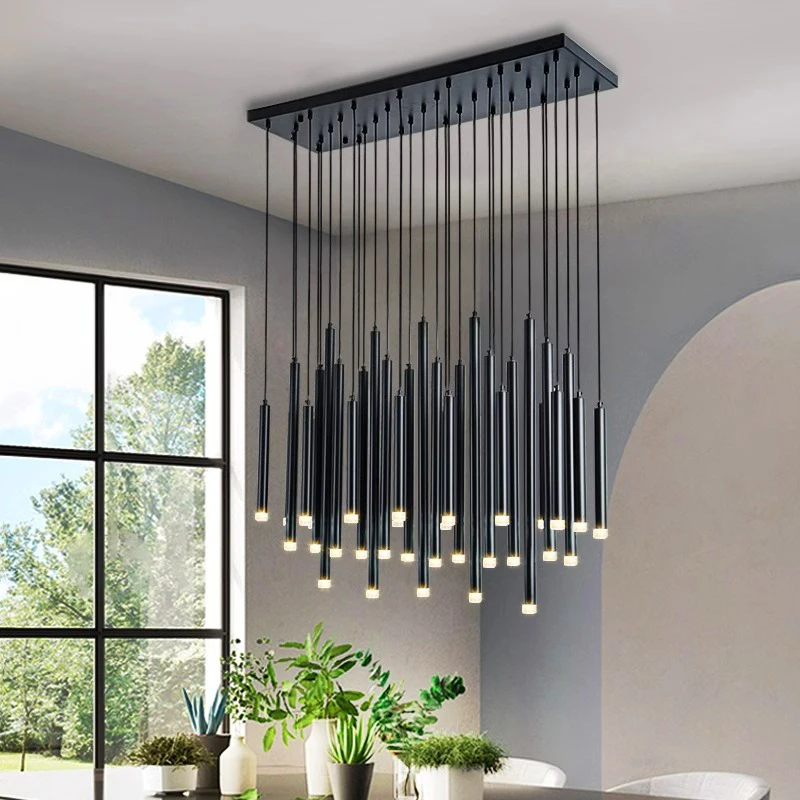
Modern home decor led lights pendant light lamps for living room Chandeliers for dining room hanging light indoor lighting
For a stylish and versatile option, consider the Modern home decor led lights pendant light lamps for living room Chandeliers for dining room hanging light indoor lighting, which combines contemporary design with energy-efficient LED technology.
Frequently asked questions
What is the ideal height to hang pendant lights over a kitchen island?
Typically, pendant lights should hang 30 to 36 inches above the countertop. For taller ceilings, you can hang them slightly higher, but keeping them in that range ensures both aesthetics and functionality.
How many pendant lights do I need for a 6-foot kitchen island?
For a 6-foot island, two to three pendants are common. Space them evenly, about 24 to 30 inches apart, and ensure the total width of the pendants doesn’t exceed the island’s length. Two larger pendants or three smaller ones can work well.
Can I install pendant lights on a sloped ceiling?
Yes, but you may need a sloped ceiling adapter or a swivel hook to ensure the pendant hangs straight. Check the manufacturer’s specifications, as some pendants are not compatible with sloped ceilings.
What type of bulb is best for pendant lights?
LED bulbs are recommended for their energy efficiency and long lifespan. Choose a bulb with a warm color temperature (2700K-3000K) for a cozy ambiance, or a cooler temperature (3500K-5000K) for task-oriented areas like kitchens.
