
Blog
Modern Traditional Sideboard Buying Guide & Tips
Buying Guide
Choosing Your Modern Traditional Sideboard
A modern traditional sideboard is more than just storage—it’s a statement piece that bridges classic elegance with contemporary simplicity. Whether you’re styling a dining room or living area, finding the right balance of form and function is key.
What Is a Modern Traditional Sideboard?
A modern traditional sideboard blends the clean lines and minimalism of modern design with the warmth and detailing of traditional furniture. Think sleek surfaces, subtle curves, and natural materials like solid wood. This hybrid style fits seamlessly into both contemporary and classic interiors, offering a versatile anchor for your space.
Key Features to Look For
When shopping for a modern traditional sideboard, consider these essential features:
- Material: Solid wood (like teak, oak, or walnut) ensures durability and a natural grain that adds character. Avoid particleboard if you want longevity.
- Finish: White or neutral painted finishes keep the look fresh and airy, while natural wood tones bring warmth. A combination of both is a hallmark of the style.
- Storage: Drawers for smaller items, cabinets for larger pieces. A mix of open and closed storage offers flexibility.
- Hardware: Simple metal pulls or knobs in brushed brass, black, or chrome maintain the modern edge.
How to Choose the Right Size
Measure your wall space before buying. A modern traditional sideboard should be proportional to the room: ideally, it should be about half the length of the wall or sofa it sits against. Height-wise, aim for 30–36 inches tall—comfortable for serving or displaying decor. Depth matters too: 18 inches is standard, but shallower options work in narrow hallways.
Pro Tip: Leave Breathing Room
Allow at least 2–3 feet of clearance in front of the sideboard for easy access and traffic flow. In a dining room, ensure chairs can be pulled out without hitting the piece.
Style Integration Tips
To make your modern traditional sideboard shine, style it with intention. Start with a large mirror or art piece above to create a focal point. Layer in decor: a ceramic vase, stacked books, and a small lamp for ambient lighting. Keep the surface uncluttered—edit ruthlessly. For a cohesive look, echo the sideboard’s wood tones in other furniture, like a coffee table or dining chairs.
Materials and Craftsmanship
Solid teak wood is a top choice for its natural resistance to moisture and insects, plus its rich, golden-brown grain. When paired with a white painted finish, it achieves the modern traditional sideboard aesthetic perfectly. Look for dovetail joinery in drawers, which signals quality construction. Avoid pieces with visible veneer seams or wobbly legs—these indicate lower craftsmanship.
For more on wood types and sustainability, check out this Wikipedia article on teak.
Storage and Functionality
A modern traditional sideboard should serve your daily needs. If you host often, prioritize cabinets for dinnerware and drawers for cutlery. If it’s for a living room, use shelves for media components or display items. Some sideboards come with adjustable shelves or removable dividers—great for customizing. Cable management cutouts are a plus for electronics.
Care and Maintenance
Keep your sideboard looking new with simple care. Dust regularly with a soft cloth. For solid wood, use a wood cleaner or mild soap and water, then dry immediately. Avoid direct sunlight to prevent fading. If the finish is painted, touch up scratches with matching paint. With proper care, a quality modern traditional sideboard can last decades.
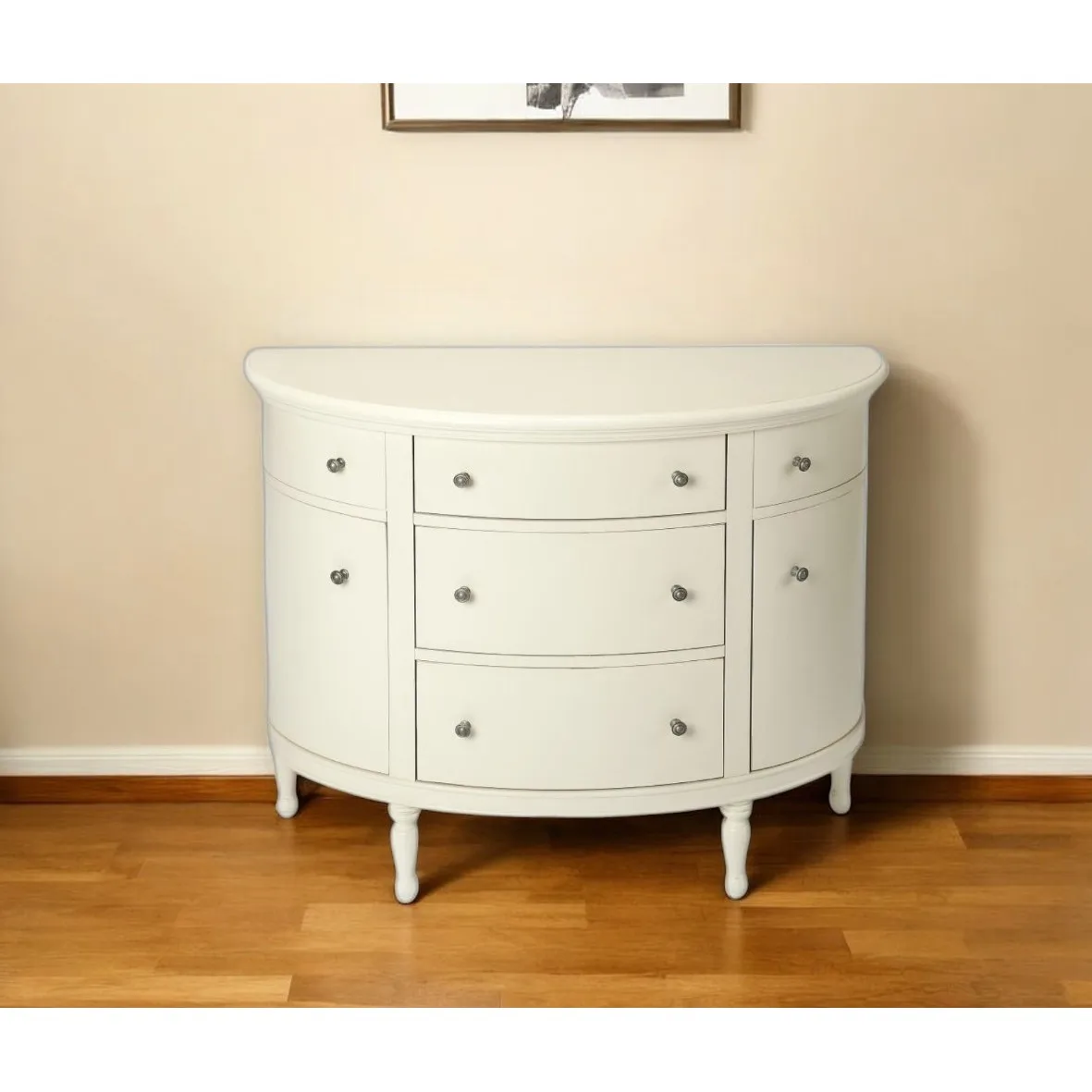
41 Five-Drawer Sideboard Modern Traditional White Solid Teak Wood for Living Room Dining Kitchen Use
For a beautifully crafted option, consider the 41 Five-Drawer Sideboard Modern Traditional White Solid Teak Wood for Living Room Dining Kitchen Use—it seamlessly combines storage with timeless style.
Frequently asked questions
What is the difference between a modern traditional sideboard and a buffet?
While both are used for storage and serving, a sideboard is typically taller and narrower, often with legs, while a buffet is lower and may have a hutch. The modern traditional style emphasizes clean lines and mixed materials.
Can a modern traditional sideboard work in a small room?
Yes. Choose a smaller scale sideboard with a light finish or open shelving to avoid visual heaviness. Wall-mounted options can also save floor space.
What colors are best for a modern traditional sideboard?
Neutral tones like white, gray, or natural wood are classic. A two-tone design (e.g., white body with wood top) is very popular in this style.
How do I style the top of a modern traditional sideboard?
Keep it balanced: a large mirror or art above, then layer a few items like a vase, books, and a lamp. Avoid overcrowding—leave some negative space.