
Blog
How to Choose the Best Modular Office Sofa for Your Space
Buying Guide
Your Guide to the Perfect Modular Office Sofa
A modular office sofa can redefine your workspace by offering flexible seating that adapts to your team’s needs. Whether you’re furnishing a breakout area or a collaborative zone, understanding the key factors will help you make a smart investment.
Why Choose a Modular Office Sofa?
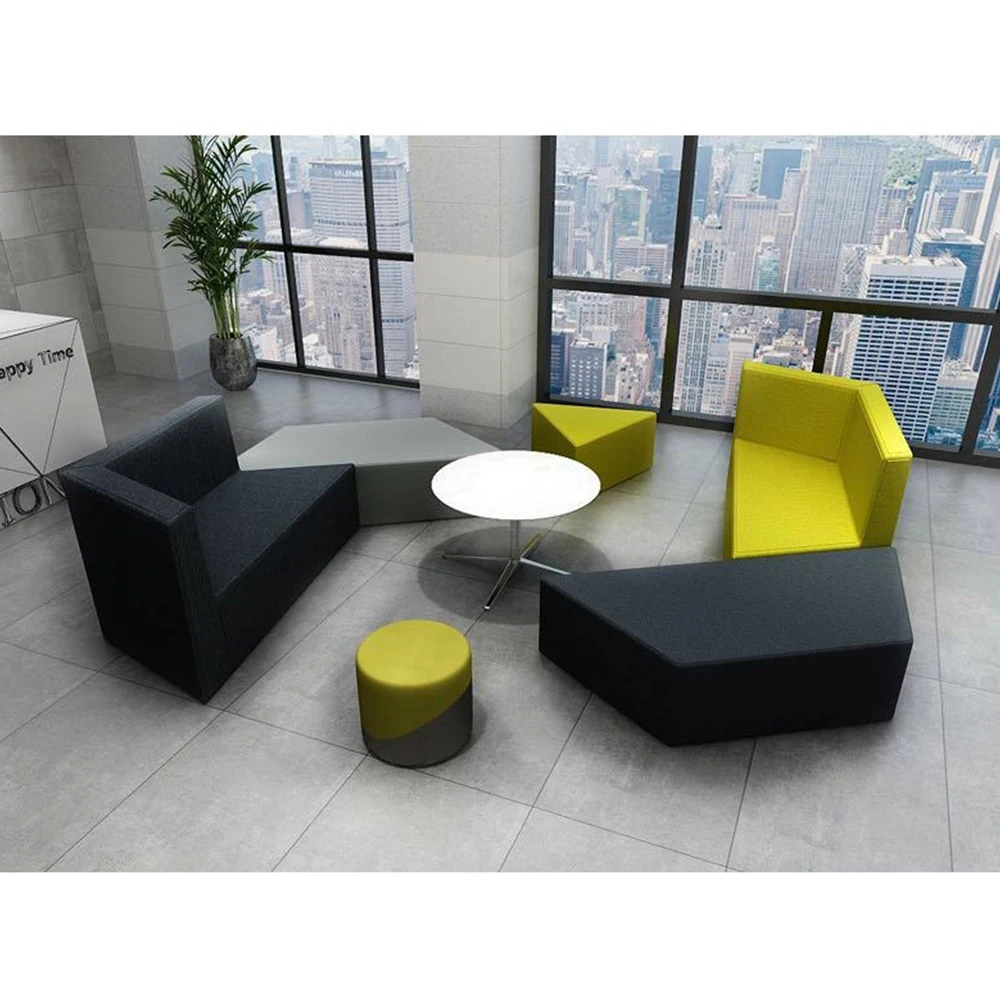
Unlike traditional sofas, a modular office sofa consists of independent sections that can be arranged in countless configurations. This adaptability makes it ideal for modern workplaces where collaboration and privacy needs shift daily. You can create L-shapes, U-shapes, or even separate seating clusters—all without buying new furniture.
Key Features to Look For
Frame and Construction
Look for kiln-dried hardwood frames with reinforced joinery. A sturdy frame ensures the sofa withstands daily use. Modular pieces should lock together securely but also disconnect easily when you need to rearrange.
Cushion Quality
High-resilience foam wrapped in down or fiber offers both comfort and longevity. Ask about density—higher density means less sagging over time. Removable covers are a plus for cleaning.
Upholstery Options
Commercial-grade fabrics like solution-dyed nylon or polyester are stain-resistant and fade-proof. For a premium feel, consider wool blends or performance velvet. Avoid light colors in high-traffic areas unless treated.
Space Planning and Layout
Before buying, measure your room and map out traffic flow. A modular office sofa works best when you leave at least 36 inches of walkway. Consider the number of seats needed: a three-seat configuration suits small teams, while larger arrangements can seat six or more.
Think about sightlines: low-back modules keep the space open, while high-back ones create privacy. You can mix both for zoning without walls.
Materials and Durability
Commercial furniture must pass rigorous tests like ANSI/BIFMA standards. Check for double-rub counts (30,000+ for heavy use). Metal connectors should be rust-resistant. Modular furniture systems often use aluminum or steel interlocking mechanisms for stability.
Style and Aesthetics
Your modular office sofa should complement your brand’s aesthetic. Neutral tones like gray, beige, or navy are versatile and hide wear. For a pop of color, choose accent cushions or a contrasting base. Clean lines and minimal profiles suit contemporary offices.
Budget Considerations
Invest in quality: a well-made modular sofa lasts 10–15 years. While upfront cost is higher than non-modular options, you save by reconfiguring instead of replacing. Set a budget that accounts for additional modules you may add later.
Maintenance and Care
Vacuum upholstery weekly to remove dust. Spot-clean spills immediately with a mild detergent. Rotate cushions periodically to ensure even wear. For fabric protection, consider a professional treatment.
Goldoma Modular Break Out Office Sofa
For a reliable and stylish option, consider the Goldoma Modular Break Out Office Sofa, which offers durable construction and easy reconfiguration to fit your evolving workspace.
Frequently asked questions
What is the ideal size for a modular office sofa?
The ideal size depends on your space and number of users. For a small breakout area, a 3-seat configuration (about 84 inches wide) works well. For larger collaborative zones, consider adding modules to create an L-shape or U-shape seating 6–8 people.
How do modular sofas connect?
Most modular sofas use metal brackets, latches, or interlocking pins to connect sections securely. Some systems also have alignment guides to ensure pieces fit flush. Always check the connection mechanism for ease of use and stability.
Can modular office sofas be used in home offices?
Absolutely. Modular office sofas are designed for durability and flexibility, making them excellent for home offices that double as guest rooms or relaxation areas. Their reconfigurability allows you to adapt as your needs change.
What is the difference between a modular sofa and a sectional?
A sectional is typically a fixed set of pieces that form one shape, while a modular sofa consists of independent units that can be rearranged into multiple configurations. Modular sofas offer greater flexibility and are easier to expand or reconfigure over time.