
Blog
Modular Sideboard Buying Guide: Flexible Storage
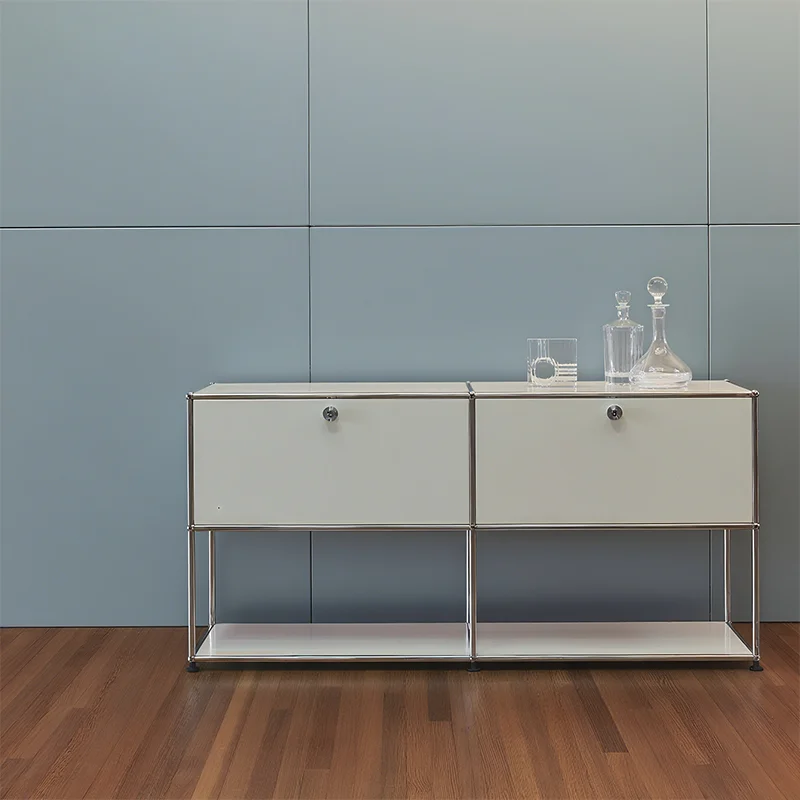
Storage Guide
The Modular Sideboard: Flexible Storage for Every Room
A modular sideboard offers a smart solution for those who crave both style and adaptability in their home. Instead of committing to a fixed piece, you can customize your storage as needs evolve.
Why Choose a Modular Sideboard?
A modular sideboard isn’t just another piece of furniture—it’s a system that grows with you. Unlike traditional sideboards, which are static and often difficult to repurpose, modular designs let you reconfigure drawers, shelves, and cabinets to match your changing needs. Whether you need extra display space for collectibles or concealed storage for daily clutter, the flexibility is unmatched.
This adaptability makes it ideal for modern living where spaces multitask: a dining room that doubles as a home office, or a living area that needs to shift from entertainment hub to quiet retreat. With a modular sideboard, you can add or remove modules as your life evolves, avoiding the need to buy new furniture every few years.
Key Features to Look For
When shopping for a modular sideboard, consider these essential features:
- Customizable Configuration: Look for systems that allow you to mix open shelves, closed cabinets, and drawers. Some even let you choose the height and width of each module.
- Quality Materials: Durable materials like stainless steel or solid wood ensure longevity. Avoid particleboard if you plan to reconfigure often, as screws may strip.
- Easy Assembly: Modular furniture should be straightforward to put together and take apart. Check for tool-free connectors or clear instructions.
- Finish Options: A good modular sideboard comes in a range of finishes to match your decor—from sleek matte to warm wood tones.
For more on furniture construction standards, see this Wikipedia article on furniture.
Materials and Build Quality
The backbone of any modular sideboard is its material. Stainless steel frames offer industrial strength and a modern look, while wood veneers bring warmth. Plywood is a solid mid-range option, but avoid thin laminates that can warp. Pay attention to joinery: dovetail drawers and mortise-and-tenon joints signal lasting craftsmanship.
Weight capacity matters too. If you plan to store heavy items like dinnerware or electronics, ensure the shelves can support them. Many modular systems specify load limits per shelf.
Comparing Metal vs. Wood
Metal frames (like stainless steel) are resistant to humidity and pests, making them great for kitchens or basements. Wood, on the other hand, adds natural beauty and can be refinished if scratched. Some modular sideboards combine both—metal legs with wooden tops—for the best of both worlds.
Design Tips for Your Space
Before you buy, measure your available wall space and consider traffic flow. A modular sideboard can be arranged horizontally or stacked vertically to fit tight corners. Use open shelves for displaying art or books, and closed cabinets for hiding cords or paperwork.
Think about the room’s color palette: a neutral modular sideboard blends in, while a bold hue becomes a statement piece. For a cohesive look, match the sideboard’s finish to other furniture in the room, like your coffee table or dining set.
Versatility Across Rooms
A modular sideboard isn’t limited to the dining room. In a living room, it can serve as a media console with integrated cable management. In a home office, it becomes a credenza for files and supplies. Some people even use them as entryway organizers for keys, mail, and shoes.
The ability to reconfigure means you can adapt the same piece for different uses over time. When you move to a new home, just reassemble the modules to fit the new layout.
Budget Considerations
Modular sideboards range from affordable to high-end. The price often reflects material quality and customization options. While it’s tempting to go cheap, investing in a well-built system pays off because you won’t need to replace it. Look for sales or open-box deals from reputable retailers.
Also factor in shipping costs—some modular pieces come flat-packed, which reduces delivery fees. Assembly might be DIY, but many companies offer white-glove service for an extra fee.
Module Modular DIY Furniture Sideboard Customized Size Cabinet Stainless Steel Tv Stand Living Room
For a customizable option, consider the Module Modular DIY Furniture Sideboard with stainless steel frame and tailored sizing.
Frequently asked questions
What is a modular sideboard?
A modular sideboard is a storage unit made of individual components you can rearrange or add to, offering flexibility in size and layout.
Can I customize the size of a modular sideboard?
Yes, most modular sideboards allow you to choose different module widths, heights, and depths to fit your space.
Is modular furniture sturdy?
When made from quality materials like stainless steel or solid wood, modular furniture is very sturdy. Check weight ratings and joinery.
How do I clean and maintain a modular sideboard?
Dust regularly with a soft cloth. For stainless steel, use a mild cleaner; for wood, use a polish. Avoid harsh chemicals.
