Blog
The Complete Guide to Choosing a Natural Wood Coffee Table
Buying Guide
How to Pick Your Natural Wood Coffee Table
A natural wood coffee table can anchor your living room with warmth and character. Choosing the right one involves understanding wood types, sizes, and finishes that suit your space.
Why Choose a Natural Wood Coffee Table?
A natural wood coffee table brings warmth and organic beauty to any living room. Unlike composite materials, solid wood ages gracefully, developing a unique patina over time. Each piece tells a story through its grain patterns and natural variations. Whether your style is modern, rustic, or traditional, a natural wood coffee table serves as a timeless centerpiece that complements various decor themes.
Popular Wood Species for Coffee Tables
Different woods offer distinct aesthetics and durability. Here are common choices:
- Oak – Hard, durable, with prominent grain; suits traditional and modern spaces.
- Walnut – Rich, dark color; elegant and less common; resists scratches.
- Acacia – Sustainable, water-resistant, with varied grain; great for farmhouse styles.
- Mango wood – Eco-friendly, affordable, with beautiful grain patterns.
For more on wood properties, see Wikipedia’s wood article.
Size and Shape Considerations
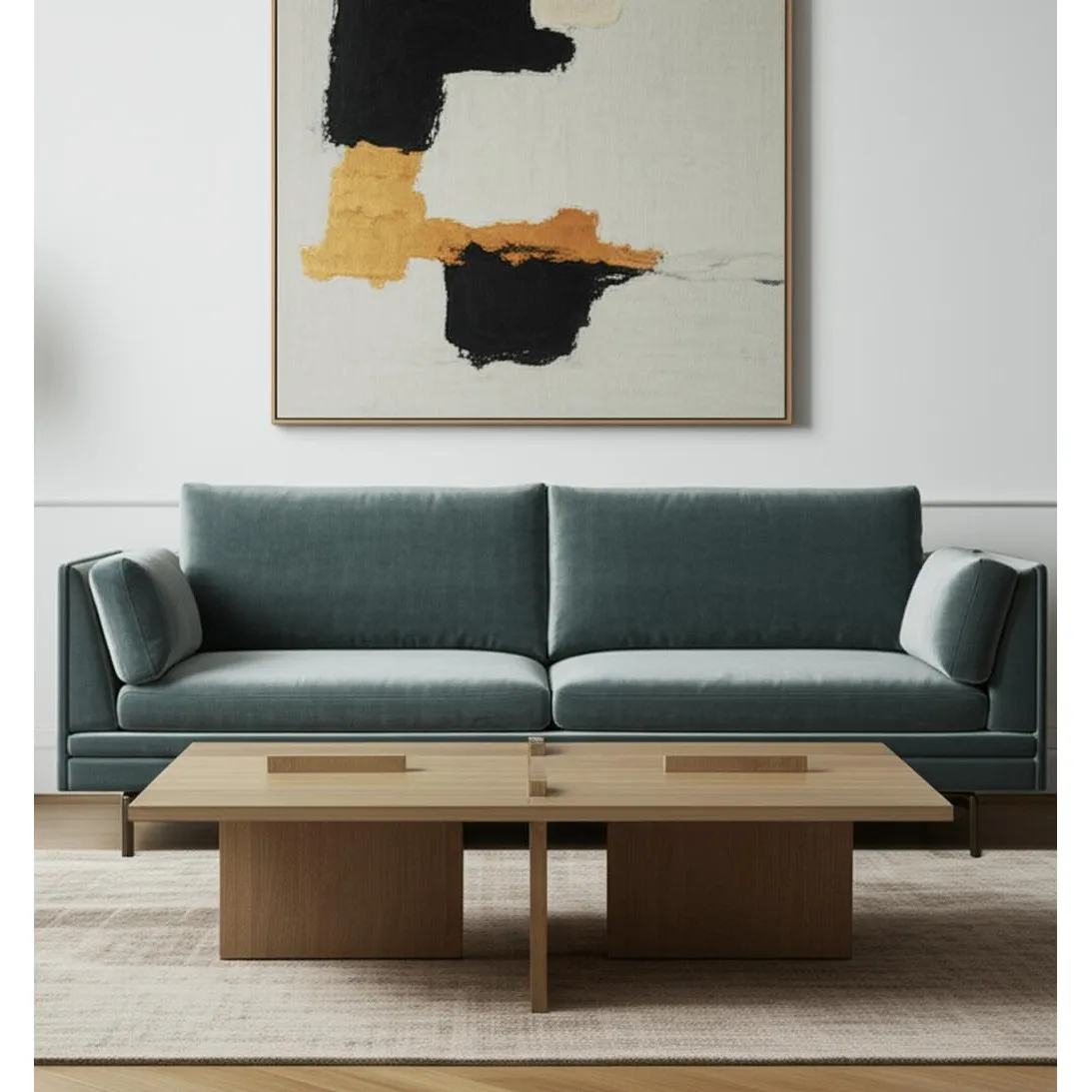
Measure your space before buying. The coffee table should be about two-thirds the length of your sofa and 16–18 inches high. Rectangular tables work well for long sofas, while square or round shapes suit smaller seating groups. Leave at least 12 inches between the table and surrounding furniture for easy movement.
Proportions for Different Room Sizes
- Small rooms – Opt for a slim, round table or a narrow rectangular one to avoid crowding.
- Large rooms – A substantial rectangular or square table anchors the seating area.
- Open floor plans – Use the table to define the living zone; consider a lift-top for versatility.
Finishes and Maintenance
The finish protects the wood and affects its look. Oil finishes enhance the natural grain and are easy to repair. Lacquer provides a hard, glossy coat but may show scratches. Wax offers a soft sheen but requires periodic reapplication. For daily care, dust with a soft cloth and clean spills immediately. Avoid direct sunlight to prevent fading.
Style and Design Features
Beyond the wood itself, consider design elements like legs (hairpin, tapered, or turned), edges (live edge, beveled), and storage (shelves, drawers). A natural wood coffee table can be a statement piece or blend in by matching your flooring or other furniture. Mixing wood tones is acceptable; just ensure they complement each other.
Environmental and Ethical Choices
Look for sustainably sourced wood. Certifications like FSC (Forest Stewardship Council) ensure responsible forestry. Reclaimed wood tables add character and reduce waste. Choosing a natural wood coffee table made from fast-growing species like acacia or mango is also eco-friendly.
Budget and Investment
Solid wood coffee tables vary widely in price. While budget options exist, investing in a well-constructed piece pays off in longevity. Check joinery (dovetail, mortise-and-tenon) and thickness of the wood. A sturdy table can last decades.
Goldoma 34″ Natural Wood Coffee Table – Sturdy Rectangular Living Room Table
For a reliable choice, consider the Goldoma 34″ Natural Wood Coffee Table – Sturdy Rectangular Living Room Table, which combines solid acacia wood with a clean design.
Frequently asked questions
What is the best wood for a coffee table?
Oak and walnut are top choices for durability and appearance. Oak is hard and affordable; walnut offers rich color. Acacia is also durable and water-resistant.
How tall should a coffee table be?
Standard height is 16–18 inches, roughly the same height as your sofa cushions for easy access.
How do I care for a natural wood coffee table?
Dust regularly with a soft cloth, use coasters, clean spills immediately, and avoid direct sunlight. Apply furniture polish occasionally.
Can I mix wood finishes in a room?
Yes, mixing wood tones adds depth. Aim for a cohesive look by matching undertones (warm or cool) rather than exact colors.