
Blog
The Natural Wood End Table: A Buying Guide for Every Home
Buying Guide
Choosing the Perfect Natural Wood End Table
A natural wood end table is more than just a surface for your coffee mug; it’s a statement piece that brings warmth and character to your room. Whether you’re looking for a rustic accent or a sleek modern silhouette, this guide will help you find the ideal match.
Why Choose a Natural Wood End Table?
Natural wood end tables have an enduring appeal that synthetic materials simply can’t replicate. Each piece of wood has unique grain patterns, knots, and color variations, making your table one-of-a-kind. Plus, wood is a renewable resource when sourced responsibly, so you can feel good about your purchase. A natural wood end table also ages gracefully, developing a rich patina over time.
Types of Wood Used in End Tables
Understanding wood types helps you choose the right table for your lifestyle and decor. Here are common options:
- Oak – Durable, with prominent grain. Perfect for traditional or farmhouse styles.
- Walnut – Rich, dark brown with straight grain. Adds elegance to modern spaces.
- Acacia – Hard and water-resistant, with varied grain. Great for boho or rustic looks.
- Mango – Sustainable and lightweight, with a warm honey tone. Ideal for eco-conscious buyers.
- Reclaimed Wood – Salvaged from old buildings, each piece has history. Excellent for industrial or rustic decor.
For more on wood properties, see this Wikipedia article on wood.
Styles and Shapes to Consider
The shape of your natural wood end table affects both function and flow. Square tables are classic and fit neatly beside sofas. Round tables soften a room and are safer in tight spaces. Nesting tables offer flexibility, while lift-top versions provide hidden storage. Consider the table height relative to your seating – it should be roughly the same height as the arm of your chair or sofa.
Matching Your Decor
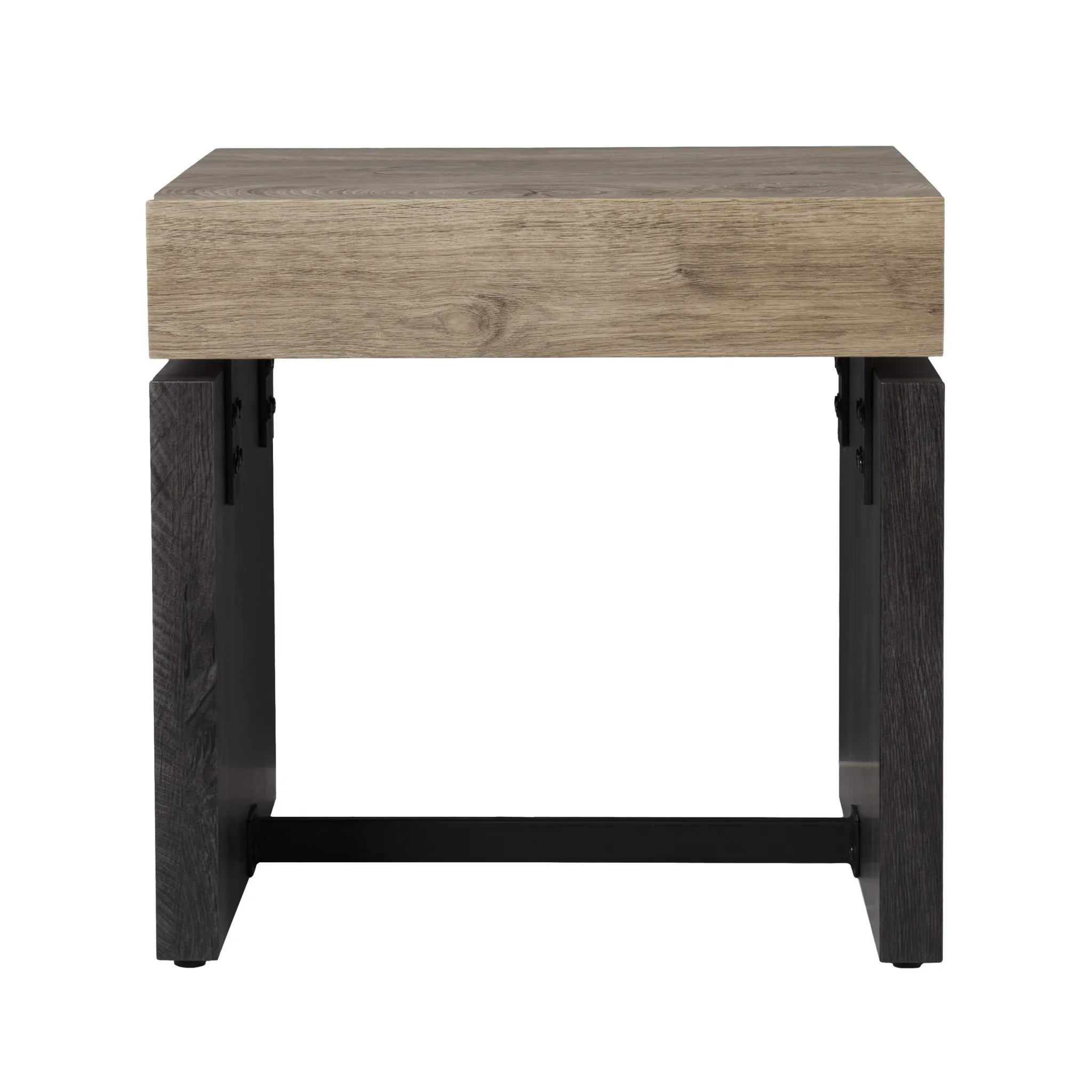
A natural wood end table can anchor your room’s style. For a minimalist look, choose a table with clean lines and a light wood like ash or birch. In a boho space, an acacia table with a live edge adds organic texture. For industrial decor, a metal-framed wood table (like the Goldoma 20) blends warmth with edge. Don’t be afraid to mix wood tones – a dark walnut table can pop against a lighter floor.
Key Features to Look For
Beyond aesthetics, consider these practical features:
- Sturdy Construction – Check for solid wood joinery, not just veneers. Drawers should glide smoothly.
- Finish Quality – A good seal protects against stains and moisture. Look for a matte or satin finish that won’t show fingerprints.
- Size and Proportion – Measure your space. A table that’s too large overwhelms; too small looks lost.
- Storage Options – Shelves or drawers help keep remotes and magazines tidy.
Caring for Your Natural Wood End Table
Proper care ensures your table lasts for years. Dust regularly with a soft cloth. Clean spills immediately with a damp cloth, then dry. Avoid placing hot mugs directly on the surface – use coasters. Every few months, apply a wood conditioner or wax to maintain the finish. Keep the table out of direct sunlight to prevent fading and cracking.
Where to Place Your End Table
End tables are versatile. Use them beside a sofa for drinks and snacks, next to an armchair as a reading nook, or between two chairs as a serving surface. In a bedroom, a natural wood end table can serve as a nightstand. In a hallway, it becomes a catch-all for keys and mail. The key is to balance function with visual appeal.
Goldoma 20″ Natural Wood Square End Table with Iron Accents
For a blend of modern design and natural charm, consider the Goldoma 20 Natural Wood Square End Table with Iron Accents, which pairs solid wood with a sturdy metal frame.
Frequently asked questions
What is the best wood for an end table?
It depends on your style and needs. Oak is durable and classic, walnut is elegant, acacia is water-resistant, and reclaimed wood offers character. For sustainability, consider mango or FSC-certified woods.
How do I clean a natural wood end table?
Dust with a soft, lint-free cloth. For sticky spots, use a damp cloth and dry immediately. Avoid harsh chemicals; a mild soap and water solution works. Polish occasionally with a wood-specific product.
Can I put a hot drink on a wood end table?
It’s best to use coasters or trivets. Heat can damage the finish and even cause the wood to warp. If you do place a hot mug directly, wipe the area and check for marks.
How tall should an end table be?
Ideally, the table top should be within 1-2 inches of the arm height of your sofa or chair. Standard end tables are 22-24 inches tall, but measure your seating for the best fit.