
Blog
Ultimate Guide to Choosing a Non Slip Bath Mat
Buying Guide
Your Perfect Non Slip Bath Mat Awaits
A non slip bath mat is essential for bathroom safety, preventing falls on wet surfaces. Whether you prioritize quick drying or plush comfort, the right mat makes all the difference.
Why a Non Slip Bath Mat Matters
A non slip bath mat is more than a bathroom accessory—it’s a safety essential. Slippery floors cause thousands of injuries each year, especially in homes with children or elderly family members. A quality mat with strong grip prevents accidents while adding comfort underfoot. When shopping, look for mats with rubber or latex backing that adheres to tile or vinyl without sliding. The best non slip bath mat combines safety with durability, so you can step out of the shower with confidence.
Key Features of a Reliable Non Slip Bath Mat
Not all mats are created equal. Here’s what to consider when choosing a non slip bath mat:
- Backing Material: Rubber or latex provides the best grip. Avoid mats with PVC backing, which can become slippery when wet.
- Absorbency: Quick-drying materials like diatomaceous earth or microfiber prevent mold and mildew.
- Size and Shape: Measure your shower or bath area. A mat that’s too small may shift, while oversized mats can bunch up.
- Washability: Machine-washable mats are easier to keep clean. Check care instructions before buying.
Materials and Their Benefits
The material of your non slip bath mat affects performance and longevity. Diatomaceous earth mats are highly absorbent and dry quickly, making them ideal for humid bathrooms. They often have a stone-like texture that feels smooth and stays put. Rubber mats offer excellent grip and are easy to rinse, but may not absorb water. Cotton or microfiber mats are soft and absorbent, but require a non-slip backing. For a balance of safety and comfort, look for a mat that combines a diatomaceous earth top layer with a rubber base—this hybrid design provides both absorption and grip. Learn more about bath mat types on Wikipedia.
How to Maintain Your Non Slip Bath Mat
Proper care extends the life of your non slip bath mat. Shake it out after each use to remove excess water and debris. Wash cotton or microfiber mats weekly in warm water with mild detergent. For diatomaceous earth mats, wipe with a damp cloth and let air dry—avoid soaking, as it can damage the material. Replace your mat every 6 to 12 months, or sooner if the backing starts to peel or lose grip. A well-maintained non slip bath mat stays effective and hygienic.
Common Mistakes to Avoid
Even a good non slip bath mat can fail if used incorrectly. Avoid these pitfalls:
- Placing on a wet floor: Always set the mat on a clean, dry surface for maximum grip.
- Skipping the liner: Some mats benefit from a separate non-slip liner underneath, especially on smooth tile.
- Ignoring weight limits: Heavy mats can shift if the backing isn’t strong enough. Check product specifications.
- Using fabric softener: This can reduce absorbency and damage the backing over time.
Eco-Friendly Options in Non Slip Bath Mats
Sustainability matters even in bathroom accessories. Look for mats made from natural materials like bamboo, organic cotton, or recycled rubber. Some diatomaceous earth mats are biodegradable and free from synthetic chemicals. Choosing an eco-friendly non slip bath mat reduces plastic waste and supports healthier indoor air quality. Always verify certifications like OEKO-TEX or Global Organic Textile Standard (GOTS) to ensure the product meets environmental standards.
Features for Special Needs
If you have mobility challenges or live with seniors, a non slip bath mat with extra features is wise. Look for mats with thicker padding for joint comfort, larger sizes for stability, and high-contrast colors for visibility. Some mats have antimicrobial treatments to prevent infections. Always test the grip by pressing down firmly—if the mat moves easily, it’s not safe. A reliable non slip bath mat can be a game-changer for bathroom independence.
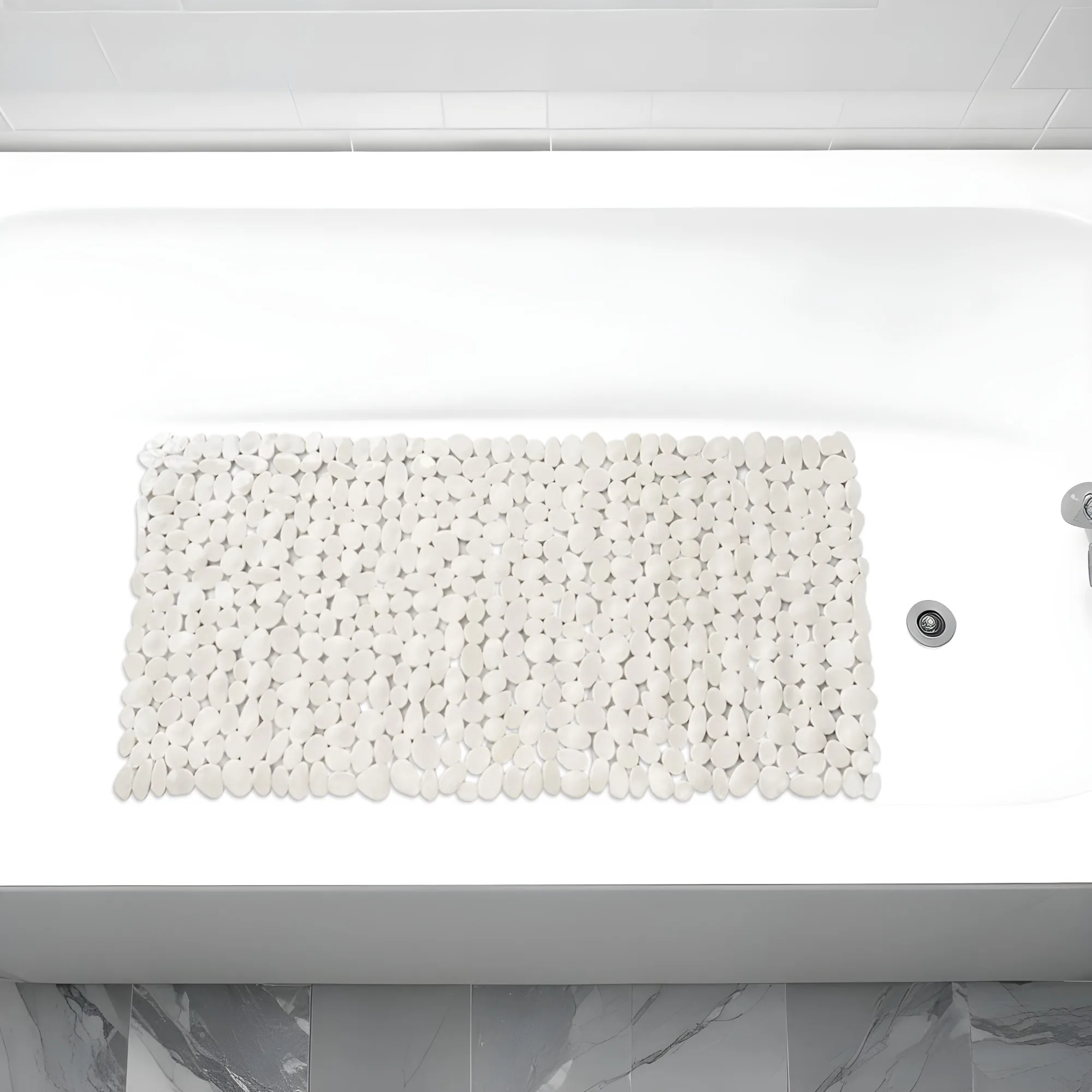
35 Beige Spa Pebbles Bath Mat Non-Slip and Absorbent Diatom and Rubber for Bathroom and Shower Use
For a top-tier option, consider the 35 Beige Spa Pebbles Bath Mat Non-Slip and Absorbent Diatom and Rubber for Bathroom and Shower Use, which combines natural diatomaceous earth with a sturdy rubber base.
Frequently asked questions
How often should I replace a non slip bath mat?
Replace your non slip bath mat every 6 to 12 months, or as soon as the backing loses grip or shows signs of wear.
Can I use a non slip bath mat on a heated floor?
Yes, but choose a mat with a thin rubber backing that won’t trap heat. Avoid thick memory foam mats, which may reduce heat transfer.
What is the best material for a non slip bath mat?
Diatomaceous earth combined with a rubber base offers excellent absorption and grip. Cotton with latex backing is also a good choice for softness.
How do I clean a diatomaceous earth bath mat?
Wipe with a damp cloth and let air dry. Do not submerge in water or use harsh chemicals, as they can damage the mat’s structure.