
Blog
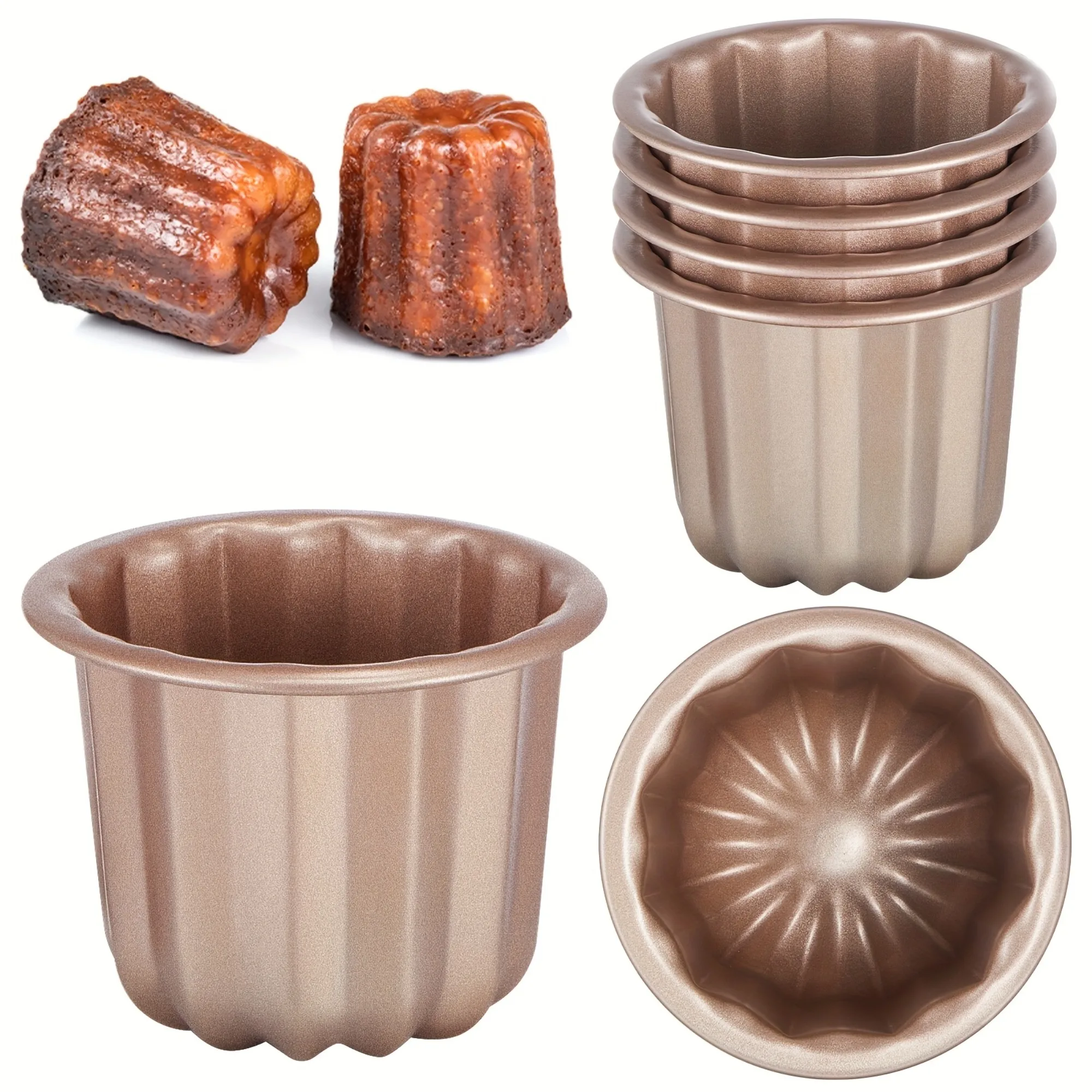
The Ultimate Guide to Non-Stick Canele Molds
Baking Essentials
Mastering Canelés with Non-Stick Canele Molds
Non-stick canele molds are a game-changer for home bakers, making it easier than ever to achieve that iconic caramelized crust and custard-like center. Whether you’re a seasoned pastry chef or a curious beginner, the right mold can transform your baking experience.
Why Non-Stick Canele Molds Matter
Traditional copper molds require meticulous seasoning and careful handling to prevent sticking. Non-stick canele molds, often made from aluminum with a silicone or PTFE coating, offer a forgiving alternative. They heat evenly, release baked canelés cleanly, and are easier to clean. This means you can focus on perfecting your batter and baking technique without worrying about ruined molds.
For a deeper dive into the history of canelés, Wikipedia’s article on canelés provides excellent background.
Key Features to Look For
When shopping for non-stick canele molds, consider these factors:
- Material: Aluminum offers excellent heat conductivity. Look for heavy-gauge aluminum to prevent warping.
- Coating: PTFE (Teflon) or ceramic non-stick coatings are common. Ensure the coating is food-safe and durable.
- Size: Standard canelé molds are about 5 cm tall and 5 cm in diameter. Smaller or larger sizes affect baking time and crust thickness.
- Ease of release: A good mold should release canelés with a gentle tap. Avoid molds that require excessive greasing.
How to Use Non-Stick Canele Molds for Best Results
Even with non-stick canele molds, proper preparation is key. Lightly grease the molds with butter or spray oil, then place them in the freezer for 10 minutes before filling. This helps the batter stick to the walls and creates a thicker crust. Fill each mold to about 90% capacity; the canelés will rise slightly during baking.
Bake at a high temperature (around 475°F / 245°C) for the first 10 minutes to develop the crust, then reduce to 375°F / 190°C to finish. Rotate the pan halfway through for even browning. Let the canelés cool in the molds for 5 minutes before unmolding.
Caring for Your Non-Stick Canele Molds
To extend the life of your non-stick canele molds, avoid metal utensils that can scratch the coating. Hand wash with mild soap and a soft sponge; dishwasher use can degrade the non-stick surface over time. Store molds in a dry place, and if stacking, place a paper towel between them to prevent scratches.
Common Mistakes and How to Avoid Them
Even with non-stick canele molds, bakers encounter issues. Here are fixes for frequent problems:
- Canelés stick: Ensure you grease thoroughly and preheat the molds. If sticking persists, the non-stick coating may be worn.
- Uneven browning: Rotate the pan mid-bake. Also, check your oven’s hot spots with an oven thermometer.
- Soggy bottom: Bake on a preheated baking sheet to give the bottoms a blast of heat.
- Misshapen canelés: Fill molds consistently and avoid overfilling. Chill the batter before pouring.
Comparing Non-Stick Canele Molds to Copper and Silicone
Copper molds are traditional and conduct heat superbly, but they are expensive and require seasoning. Silicone molds are flexible and non-stick by nature, but they don’t brown as well and can produce pale, soft crusts. Non-stick aluminum molds strike a balance: they offer good heat conduction, easy release, and affordability. For most home bakers, non-stick canele molds are the practical choice.
Top Tips for Perfect Canelés Every Time
Mastering canelés takes practice, but these tips help: Rest the batter for at least 24 hours in the fridge to develop flavor and texture. Use beeswax and butter for greasing traditional molds, but with non-stick canele molds, butter alone works fine. If your canelés don’t have a deep caramel color, try increasing the initial baking temperature or extending the high-heat phase by a few minutes.
Where to Find Quality Non-Stick Canele Molds
Many online retailers offer a variety of non-stick canele molds. Look for sets that include multiple molds, as baking a dozen at once saves time. Reading reviews can help you gauge durability and performance. For a reliable option, consider our 6PCS Canele Cake Molds Non-stick Aluminum DIY Dessert Keluli Cupcake Muffin Pan for Baking Enthusiasts Profession Bakeware, which is designed for even heating and easy release.
6PCS Canele Cake Molds Non-stick Aluminum DIY Dessert Keluli Cupcake Muffin Pan for Baking Enthusiasts Profession Bakeware
For reliable performance, our 6PCS Canele Cake Molds Non-stick Aluminum set offers consistent results and easy release, making it a solid choice for bakers aiming to perfect their canelés.
Frequently asked questions
Can I use non-stick canele molds in a convection oven?
Yes, non-stick canele molds work well in convection ovens. Just reduce the temperature by about 25°F (15°C) and monitor baking time, as convection ovens cook faster.
How do I clean non-stick canele molds without damaging the coating?
Hand wash with warm water, mild dish soap, and a soft sponge. Avoid abrasive scrubbers and metal utensils. Dry thoroughly before storing.
Do I need to season non-stick canele molds before first use?
Most non-stick canele molds don’t require seasoning. However, a light coating of butter or oil before first use can enhance release. Always check the manufacturer’s instructions.
Why are my canelés sticking even with non-stick molds?
Possible reasons include insufficient greasing, batter too cold, or the non-stick coating wearing out. Try greasing with butter and placing molds in the freezer for 10 minutes before filling.