
Blog
The Best Nonstick Baking Pans for Effortless Baking
Baking Essentials
The Ultimate Guide to Nonstick Baking Pans
Nonstick baking pans are a game-changer in the kitchen, making everything from fluffy cakes to golden breads a breeze to release and clean. Whether you’re a novice or a pro, choosing the right pan ensures your baked goods turn out perfectly every time.
Why Choose Nonstick Baking Pans?
Nonstick baking pans save you time and frustration. Their special coating allows cakes, breads, and pastries to slide out effortlessly, reducing the need for greasing and flouring. This means less mess and more consistent results. Plus, cleanup is a snap—often just a gentle wipe with a sponge.
Materials Matter: What Makes a Great Nonstick Pan?
The best nonstick baking pans are made from materials that conduct heat evenly. Carbon steel is a popular choice because it heats up quickly and distributes heat uniformly, preventing hot spots that can burn your bakes. Aluminum is another common option, but it’s lighter and may warp over time. Silicone is flexible and nonstick by nature, but it doesn’t brown crusts as well. For durability and performance, carbon steel pans with a reliable nonstick coating are top-rated by bakers.
Coating Types
- PTFE (Teflon): Classic nonstick, but avoid overheating (above 500°F) to prevent fume release.
- Ceramic: Eco-friendly and scratch-resistant, but may lose nonstick properties faster.
- Silicone: Naturally nonstick, flexible, and safe for high heat, but not for crispy crusts.
For more on coating safety, check out Wikipedia’s article on non-stick surfaces.
Key Features to Look For in Nonstick Baking Pans
When shopping for nonstick baking pans, consider these features: reinforced rims to prevent warping, a heavy-gauge material for even baking, and a textured interior that helps release food. Also, look for pans that are oven-safe to at least 450°F and dishwasher-safe for easy cleaning (though hand washing extends the coating’s life).
How to Care for Your Nonstick Baking Pans
To make your nonstick pans last, avoid metal utensils that scratch the coating. Use silicone, wood, or nylon tools instead. Wash with a soft sponge and mild detergent; never use abrasive cleaners. Stacking pans? Place a paper towel between them to protect the surface. And never preheat an empty nonstick pan—it can damage the coating.
Versatility: More Than Just Cakes
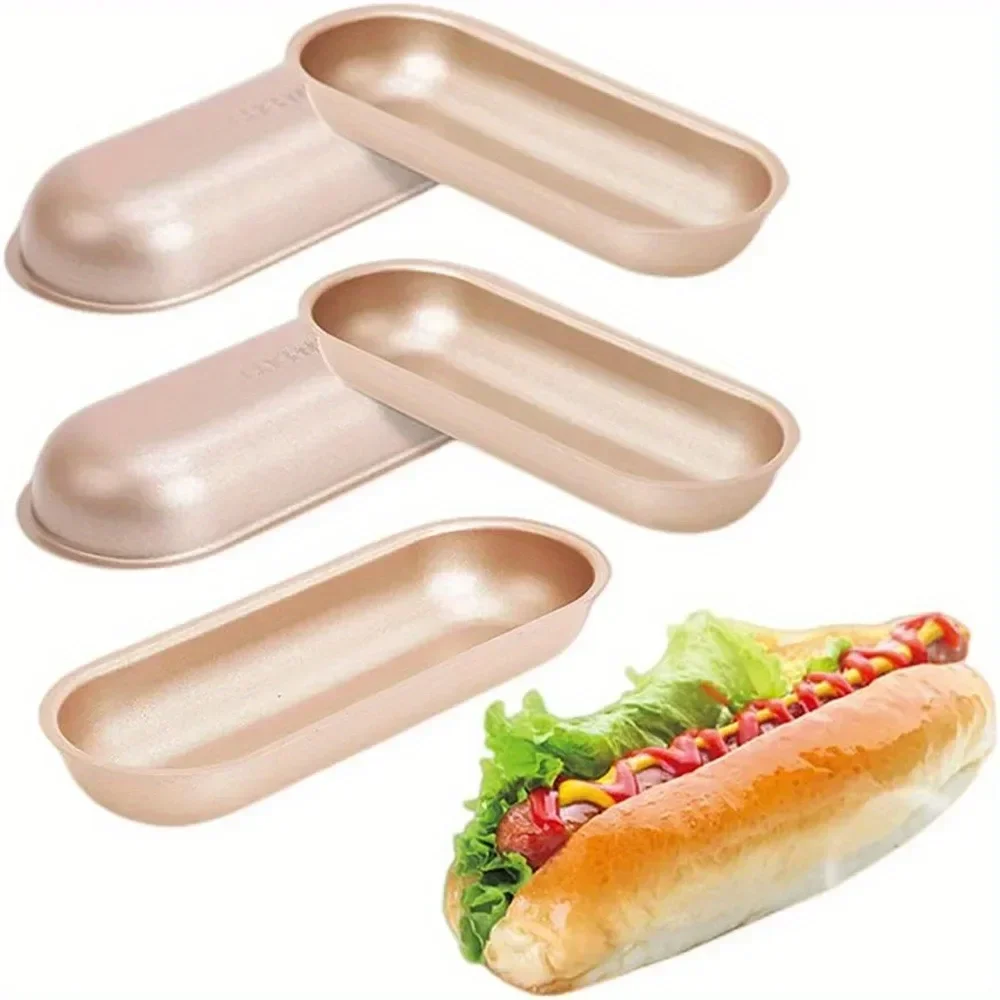
Nonstick baking pans aren’t just for cakes. Use them for breads, muffins, brownies, and even savory items like frittatas or roasted vegetables. Specialty shapes, like hotdog molds, add fun to DIY bread and hot dog buns. The key is to match the pan’s shape to your recipe for even baking.
Top Tips for Perfect Bakes with Nonstick Pans
- Still lightly grease the pan for insurance, especially with delicate batters.
- Let baked goods cool for 5-10 minutes before turning out to avoid sticking.
- Avoid using cooking sprays with lecithin, which can build up and gum up the coating.
- Store pans in a cool, dry place away from direct heat.
With proper care, quality nonstick baking pans can last for years, making them a smart investment for any baker.
5PCS Hotdog Shaped Bread Baking Mold Carbon Steel Non-Stick Durable Baking Pans for DIY Bread Hot Dog Toast and Cakes Bakeware
For a fun and durable option, consider the 5PCS Hotdog Shaped Bread Baking Mold set—crafted from carbon steel with a reliable nonstick coating, perfect for DIY bread, hot dog buns, and even cakes.
Frequently asked questions
Can I use metal utensils on nonstick baking pans?
No, metal utensils can scratch and damage the nonstick coating. Always use silicone, wood, or nylon utensils to preserve the surface.
Are nonstick baking pans safe at high temperatures?
Most nonstick pans are safe up to 450-500°F. Check the manufacturer’s guidelines. Avoid preheating an empty pan above the recommended temperature to prevent coating degradation.
How do I clean stubborn residue from nonstick pans?
Soak the pan in warm, soapy water for 15 minutes, then gently scrub with a soft sponge. For burnt-on food, make a paste of baking soda and water and scrub gently.
Can I put nonstick baking pans in the dishwasher?
While many are dishwasher-safe, hand washing is recommended to extend the life of the nonstick coating. Dishwasher detergents and high heat can accelerate wear.
