
Blog
Why a Nordic Ceramic Rice Bowl Belongs in Your Kitchen
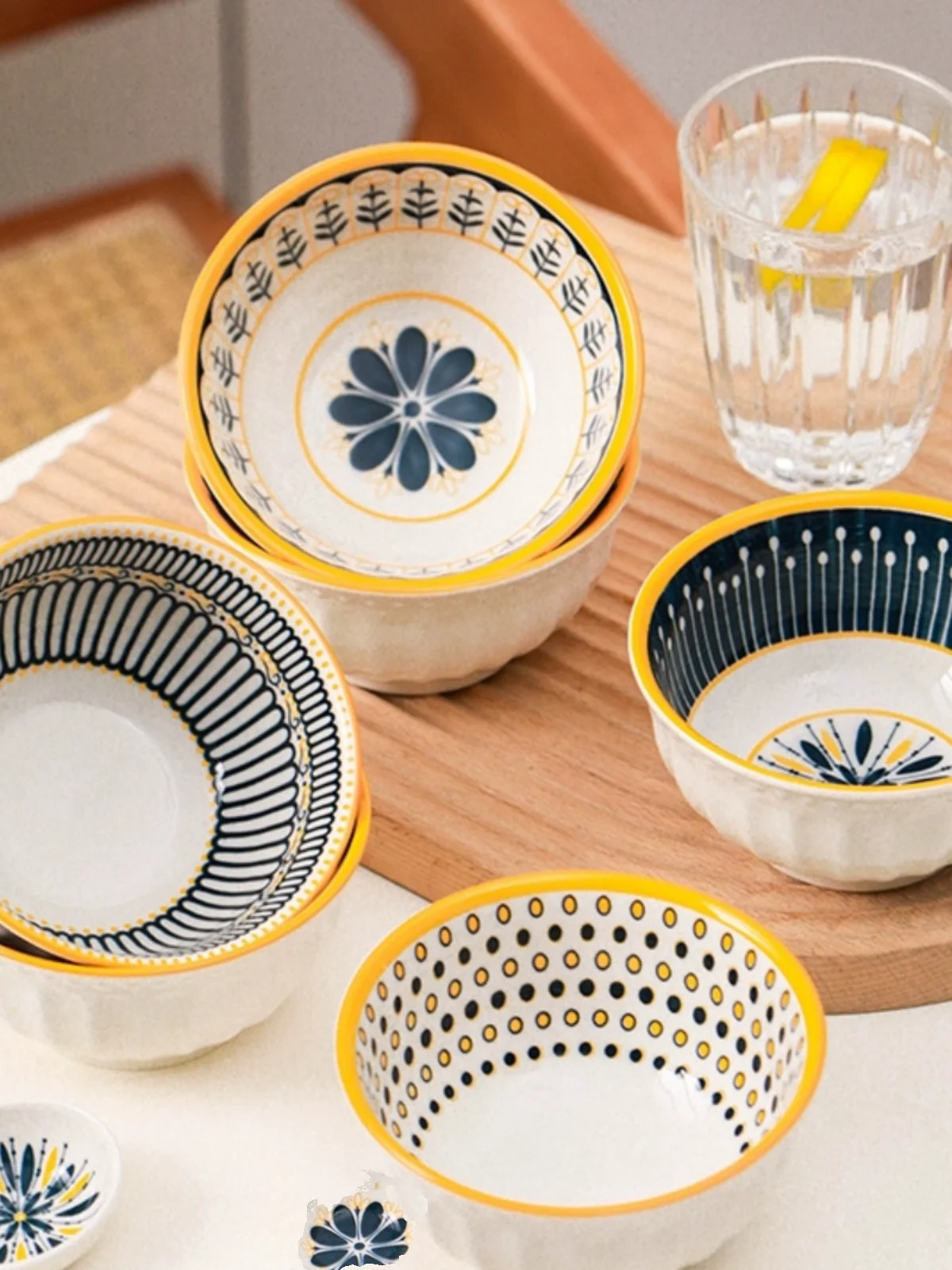
Tableware Guide
Find Your Perfect Nordic Ceramic Rice Bowl
A Nordic ceramic rice bowl is more than just a vessel—it’s a daily ritual that brings warmth and simplicity to your meals. Whether you’re serving miso soup or a hearty grain bowl, the right bowl can elevate the experience.
What Makes a Nordic Ceramic Rice Bowl Special?
The Nordic design philosophy emphasizes clean lines, natural materials, and functionality. A Nordic ceramic rice bowl typically features a soft, matte glaze and a gentle, organic shape that feels balanced in your hands. Unlike overly ornate dinnerware, these bowls let the food take center stage, making every meal feel deliberate and calming. The underglaze technique used in many Nordic-inspired bowls adds subtle depth without distracting from the bowl’s form.
These bowls are often crafted from high-fired stoneware or porcelain, which means they’re both durable and resistant to chipping. Many are also microwave and dishwasher safe, fitting seamlessly into modern lifestyles. The round shape is especially practical for stirring sauces or scooping every last grain of rice.
Key Features to Look for in a Nordic Ceramic Rice Bowl
When shopping for a Nordic ceramic rice bowl, consider these essential aspects:
- Glaze finish: Matte or semi-matte glazes are common in Nordic design. They feel pleasant to the touch and resist fingerprints.
- Weight and balance: A well-made bowl should feel substantial but not heavy, with a low center of gravity to prevent tipping.
- Size: Ideal rice bowls hold about 12–16 ounces—large enough for a main course but not so big that they overwhelm a small table.
- Foot ring: A raised foot helps protect surfaces from heat and provides a stable base.
Why Underglaze Matters
Underglaze decoration, where patterns are applied before the final clear glaze, creates a smooth, food-safe surface that won’t fade over time. This technique is often used in Japanese and Nordic ceramics to achieve subtle, lasting beauty. Look for bowls with hand-painted or transfer-printed underglaze designs for added character.
How to Style a Nordic Ceramic Rice Bowl in Your Home
These bowls aren’t just for rice—they’re incredibly versatile. Use them for soups, salads, oatmeal, or even as a small fruit bowl. Their neutral color palette (whites, grays, soft blues) complements any table setting, from rustic wooden tables to sleek modern kitchens. For a cohesive look, pair your bowl with wooden chopsticks or linen napkins.
You can also mix and match different sizes and shapes within the same collection for an effortlessly curated tablescape. The key is to keep the overall aesthetic restrained and harmonious—a hallmark of Scandinavian interior design. For more on Scandinavian design principles, you can read this Wikipedia article on Scandinavian design.
Caring for Your Nordic Ceramic Rice Bowl
To keep your Nordic ceramic rice bowl looking beautiful for years, follow these simple tips:
- Avoid sudden temperature changes: Do not put a hot bowl directly into cold water, as this can cause thermal shock and cracking.
- Hand washing recommended: While many bowls are dishwasher safe, hand washing with mild soap preserves the glaze’s luster.
- Store with care: Stack bowls with felt pads or cloth separators to prevent scratches.
- Use for its purpose: While durable, these bowls are not designed for oven or microwave use unless explicitly stated.
Comparing Nordic vs. Japanese Rice Bowls
Though both traditions value craftsmanship and simplicity, there are subtle differences. Japanese rice bowls (chawan) often have a more pronounced foot ring and a slightly curved shape designed for lifting to the mouth. Nordic bowls tend to be wider and shallower, with a foot ring that’s less prominent. The aesthetic of a Nordic ceramic rice bowl leans toward muted earth tones, while Japanese bowls may feature bold patterns or rich glazes like raku. Both are excellent choices; your preference depends on your style and how you plan to use the bowl.
Where to Find Authentic Nordic Ceramic Rice Bowls
Quality matters when investing in dinnerware. Look for makers who use high-temperature firing and lead-free glazes. Small-batch artisan studios often produce the most authentic Nordic-style pieces, but there are also reliable large-scale manufacturers that adhere to traditional methods. Check product descriptions for details on materials and origin. A genuine Nordic ceramic rice bowl should feel harmonious in design and solid in construction.
If you’re looking for a ready-to-use option that combines Nordic aesthetics with everyday practicality, consider the Nordic Style Ceramic Rice Bowl Underglaze Japanese Breakfast Bowl High Aesthetic Value round Shape Dinnerware Set. It embodies the clean lines and durability that make Nordic design so beloved.
Nordic Style Ceramic Rice Bowl Underglaze Japanese Breakfast Bowl High Aesthetic Value round Shape Dinnerware Set
If you value clean design and lasting quality, the Nordic Style Ceramic Rice Bowl Underglaze Japanese Breakfast Bowl set offers the same timeless appeal with a practical, everyday finish.
Frequently asked questions
What is the ideal size for a Nordic ceramic rice bowl?
Most Nordic rice bowls hold 12 to 16 ounces, which is perfect for a single serving of rice, soup, or salad. The diameter typically ranges from 4.5 to 5.5 inches.
Can I use a Nordic ceramic rice bowl in the microwave?
Many Nordic ceramic rice bowls are microwave-safe, but always check the manufacturer’s instructions. Bowls with metallic glazes or gold accents should not be microwaved.
What’s the difference between underglaze and overglaze decoration?
Underglaze is applied before the final clear glaze, making it more durable and resistant to wear. Overglaze is painted on top and can fade or scratch over time.
How do I prevent my ceramic rice bowl from cracking?
Avoid thermal shock by not placing a hot bowl in cold water. Let it cool gradually, and never use it for cooking over direct heat unless specified.
