
Blog
How to Choose the Perfect Outdoor Garden Bench
Buying Guide
Find Your Ideal Outdoor Garden Bench
An outdoor garden bench is more than just a place to sit; it’s an invitation to pause and enjoy your surroundings. This guide will help you choose the perfect one for your needs.
Why an Outdoor Garden Bench Enhances Your Space
An outdoor garden bench serves as a focal point, a resting spot, and a way to connect with nature. Whether you have a sprawling backyard or a cozy patio, a bench can transform your outdoor area into a welcoming retreat. It encourages you to spend more time outside, whether reading, sipping coffee, or simply watching the world go by.
Beyond aesthetics, a garden bench offers practical benefits: extra seating for gatherings, a place to put on shoes, or a spot to admire your garden. The right bench can also increase your home’s value and curb appeal.
Choosing the Right Material for Your Outdoor Garden Bench
The material of your bench determines its durability, maintenance, and style. Here are the most common options:
- Wood: Classic and natural, wood blends beautifully with outdoor settings. Teak, cedar, and eucalyptus are naturally resistant to rot and insects. Requires periodic sealing or oiling.
- Metal: Wrought iron, steel, or aluminum offer strength and longevity. Powder-coated finishes resist rust. Metal can get hot in direct sun and cold in winter, so cushions are often needed.
- Plastic/Resin: Low-maintenance and affordable. Modern options mimic wood or metal but are lighter and easier to move. Can fade or become brittle over time.
- Concrete/Stone: Extremely durable and stable. Ideal for permanent installations. Heavy and difficult to move, but they anchor your space beautifully.
Consider your climate, the bench’s exposure to elements, and how much upkeep you’re willing to invest. For instance, if you live in a rainy area, teak or cedar are excellent choices.
Size and Placement: Getting It Right
Measure your space before purchasing. A bench that’s too large overwhelms a small patio, while a tiny bench gets lost in a large garden. Standard lengths range from 4 to 6 feet, but custom sizes are available.
Think about where you’ll place it: near a flower bed, under a tree, or on a deck. Ensure there’s enough clearance for walking and that the bench is level. If you plan to move it, consider a lighter material or add wheels.
Popular placement ideas:
- Against a fence or wall for a cozy nook
- Facing a scenic view or water feature
- Along a pathway for a welcoming touch
- In a quiet corner of your garden for meditation
Comfort and Ergonomics
A bench might look great, but if it’s uncomfortable, you won’t use it. Look for a slightly contoured seat and backrest that support your posture. Armrests add comfort, especially for older adults. The seat height should allow your feet to rest flat on the ground.
Consider adding cushions or pillows for extra coziness. Outdoor fabrics resist moisture and UV rays. If you plan to sit for long periods, a bench with a higher back and deeper seat may be more comfortable.
Remember, comfort also includes the bench’s temperature. In hot climates, wood or plastic stays cooler than metal or concrete.
Style and Aesthetics: Matching Your Outdoor Décor
Your bench should complement your home’s architectural style and your garden’s theme. For a traditional look, choose a classic wooden slat design. For modern spaces, opt for clean lines and metal frames. If you have a cottage garden, a whimsical painted bench adds charm.
Think about color: natural wood tones blend seamlessly, while a bold hue can make a statement. You can also use the bench as a canvas for creativity—paint it to match your front door or garden accents.
Remember, the bench is part of your outdoor story. Choose a style that reflects your personality and enhances your surroundings.
Maintenance and Weather Resistance
How much time do you want to spend maintaining your bench? Wood requires regular cleaning and sealing to prevent weathering. Metal may need rust treatment and occasional repainting. Plastic is essentially maintenance-free—just wash with soap and water.
Look for benches that are treated or coated for UV and water resistance. If you live in harsh climates, consider storing the bench indoors during extreme weather or using a protective cover. With proper care, a quality bench can last decades.
Budget and Value
Prices for outdoor garden benches vary widely, from under $100 to over $1000. Set a budget based on your needs and how often you’ll use the bench. Remember that a higher upfront cost often means better materials and craftsmanship, which can save money in the long run.
Evaluate the warranty and the manufacturer’s reputation. Sometimes, a mid-priced bench with good reviews offers the best balance of quality and cost.
Eco-Friendly Options
If sustainability matters to you, look for benches made from reclaimed wood, recycled plastic, or sustainably harvested timber like teak from certified plantations. These choices reduce environmental impact and often come with a unique story.
Also, consider the bench’s life cycle: can it be repaired, recycled, or composted? A durable bench that lasts for years is inherently more eco-friendly than a cheap one that ends up in a landfill.
For more on sustainable materials, see sustainable forest management.
Outdoor Garden Bench Natural
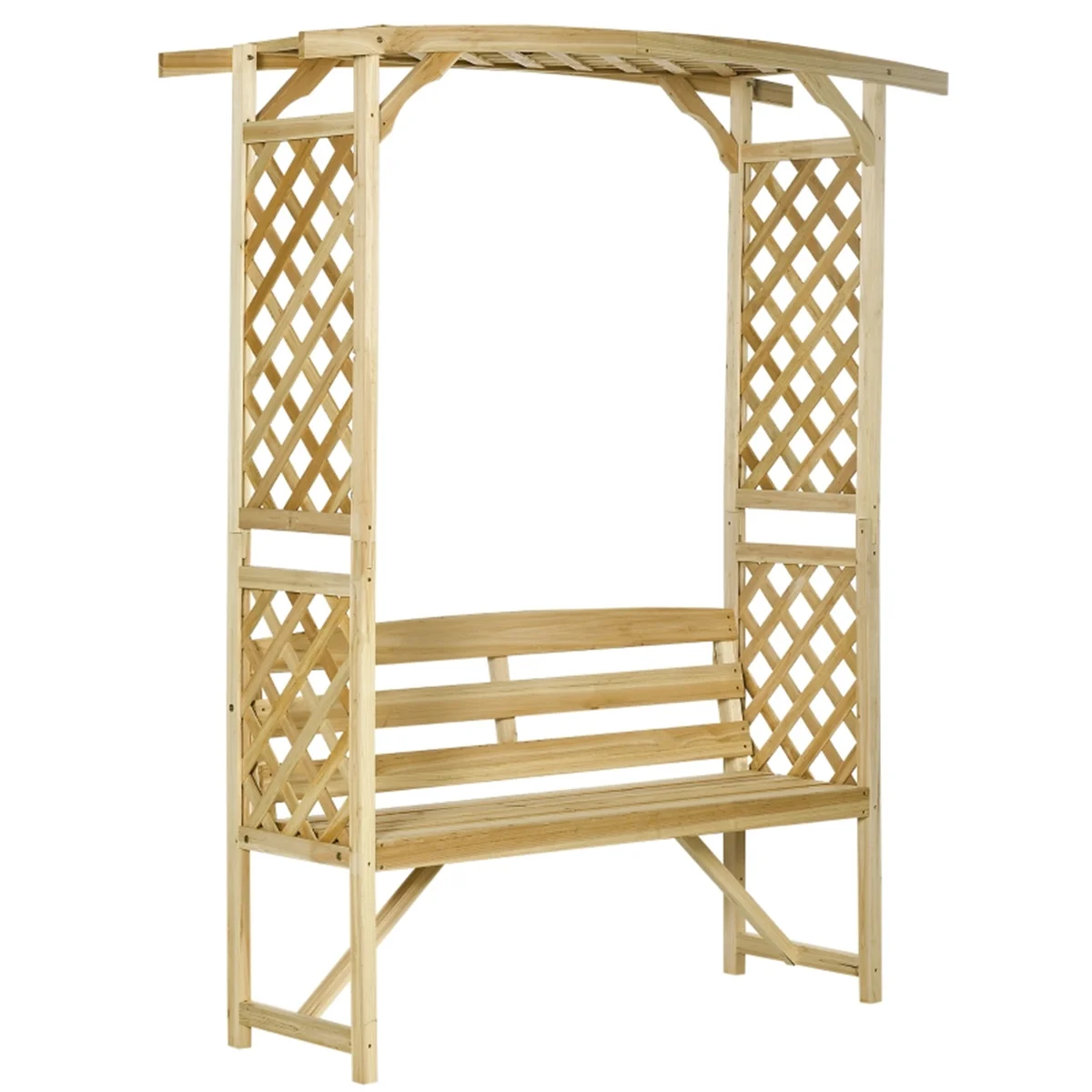
For a timeless, natural look that ages beautifully, consider the Outdoor Garden Bench Natural from Goldoma, crafted from sustainably sourced wood.
Frequently asked questions
What is the best material for an outdoor garden bench?
The best material depends on your climate and maintenance preferences. Teak and cedar are durable and weather-resistant, while metal like aluminum is lightweight and rust-proof. Plastic/resin is low-maintenance but may fade. Consider your local weather and how much upkeep you’re willing to do.
How do I protect my outdoor garden bench from the elements?
Use a bench cover when not in use, apply a protective sealant for wood, and store it indoors during extreme weather if possible. Regularly clean and check for signs of wear.
What size outdoor garden bench should I buy?
Measure your space first. Standard benches are 4-6 feet long. Consider how many people you want to seat—a 4-foot bench fits 2-3 people, while a 6-foot bench fits 4-5. Also, think about the scale relative to your garden.
How do I style an outdoor garden bench?
Add cushions and throw pillows for comfort, place it near flowers or a water feature, and consider a side table for drinks. You can also add a small outdoor rug or lanterns to create a cozy vignette.
