
Blog
How to Choose Porcelain Dinner Plates for Your Table
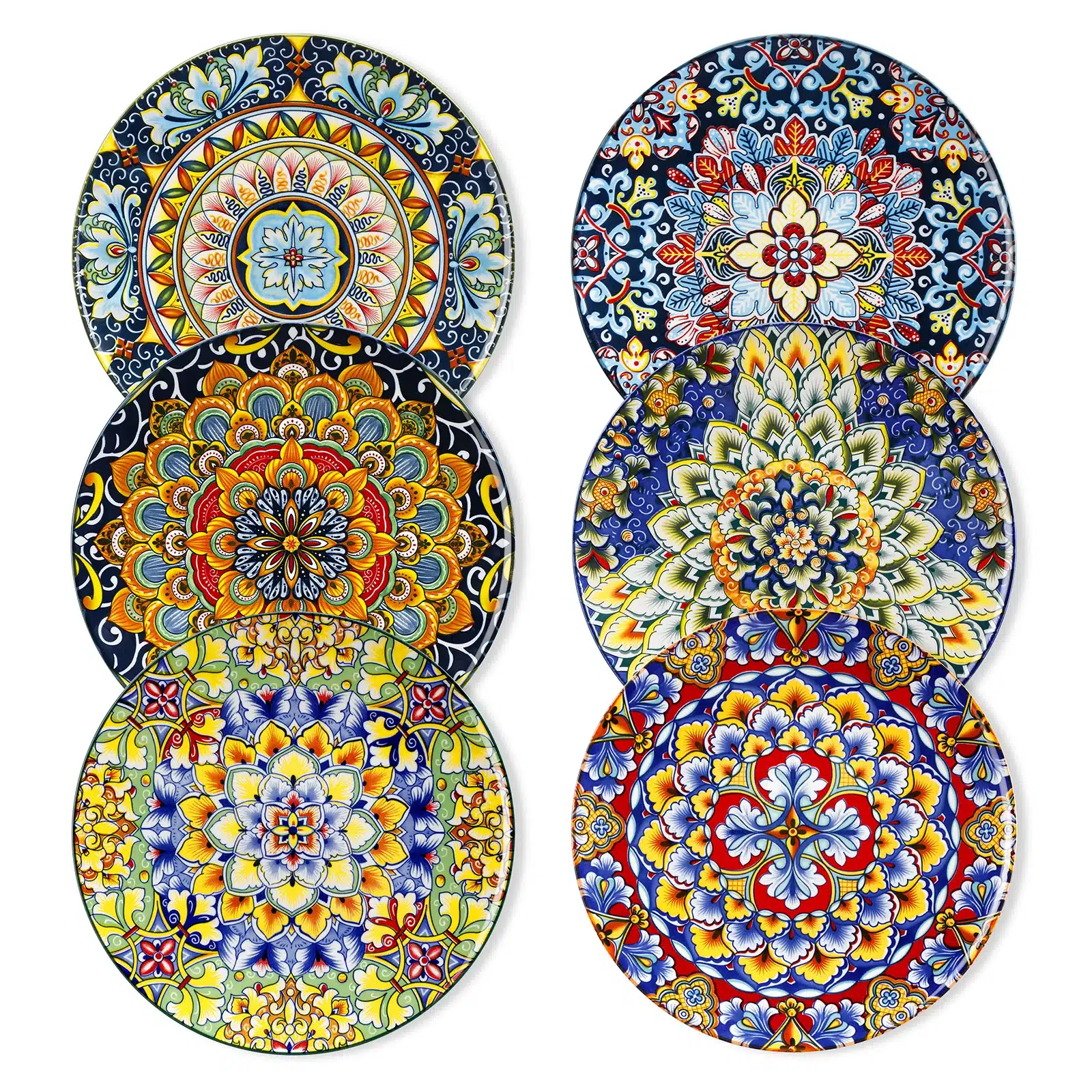
Buying Guide
Porcelain Dinner Plates: A Complete Buying Guide
Porcelain dinner plates are a staple in any well-set table, offering both beauty and resilience. Whether you’re outfitting a new home or refreshing your dinnerware, understanding what makes quality porcelain can save you time and money.
What Makes Porcelain Dinner Plates Special?
Porcelain is a type of ceramic fired at high temperatures, resulting in a dense, non-porous material. Unlike earthenware or stoneware, porcelain dinner plates are known for their strength, chip resistance, and elegant translucency. They are also microwave and dishwasher safe, making them practical for daily use.
Key Factors to Consider When Buying Porcelain Dinner Plates
Before you purchase, think about size, shape, and finish. Standard dinner plates are around 10.5 to 11 inches, but smaller salad or dessert plates are also common. Consider the rim design: coupe plates have a smooth edge, while rimmed plates offer a classic look. Also, check the weight—lighter plates often indicate higher quality porcelain.
Porcelain vs. Other Dinnerware Materials
Compared to stoneware, porcelain is more refined and less porous. It’s also stronger than earthenware, which is more prone to chipping. Bone china, while similar, contains bone ash for extra whiteness and durability, but pure porcelain remains a favorite for its timeless appeal. For more on ceramic types, see Wikipedia’s porcelain article.
Caring for Your Porcelain Dinner Plates
To keep your porcelain dinner plates looking new, avoid sudden temperature changes—don’t place a hot plate directly on a cold surface. Stack them with felt pads between plates to prevent scratches. Most porcelain is dishwasher safe, but hand washing with mild detergent can extend the life of decorative patterns.
Popular Styles and Finishes
From glossy white to matte earth tones, porcelain dinner plates come in countless styles. Hand-painted patterns add an artisanal touch, while minimalist designs suit modern tables. Reactive glazes create unique color variations, making each piece one-of-a-kind. Consider your existing decor when choosing a finish.
How Many Plates Do You Need?
A typical dinnerware set includes 4 to 12 place settings. For everyday use, a set of 6 is often enough for a small family, while 12 pieces accommodate larger gatherings. Some sets include matching salad plates, bowls, and mugs. Think about your entertaining habits before deciding.
Budget-Friendly Tips for Quality Porcelain
You don’t need to spend a fortune for good porcelain. Look for sets that are oven-safe and have a smooth, glossy finish. Check for any rough edges or uneven glazing, which can indicate lower quality. Sets with a higher firing temperature tend to be more durable.
Where to Buy Porcelain Dinner Plates
Many home goods stores and online retailers offer a wide selection. Read reviews and compare prices. If possible, see the plates in person to gauge weight and feel. Some brands, like Vancasso, offer scratch-resistant options that are ideal for busy households.
vancasso 6/12 Piece Porcelain Dinner Plates Crockery Breakfast Plate Set Scratch Resistant Flat Plates Dinnerware Set for 6
For a reliable everyday option, consider the vancasso 6/12 Piece Porcelain Dinner Plates Crockery Breakfast Plate Set Scratch Resistant Flat Plates Dinnerware Set for 6, which offers practicality without sacrificing style.
Frequently asked questions
Are porcelain dinner plates microwave safe?
Yes, most porcelain dinner plates are microwave safe, but always check the manufacturer’s label to be sure, especially if they have metallic accents.
Can I put porcelain plates in the dishwasher?
Generally yes, but hand washing is recommended for plates with delicate hand-painted designs to preserve their appearance.
What is the difference between porcelain and bone china?
Bone china contains bone ash, making it lighter and more translucent than porcelain. Both are durable, but bone china is often considered more luxurious.
How do I prevent my porcelain plates from chipping?
Avoid stacking them without padding, use felt separators, and handle them carefully. Also, avoid sudden temperature changes.
