
Blog
The Complete Guide to Choosing a Power Recliner Sofa
Buying Guide
How to Choose a Power Recliner Sofa
A power recliner sofa can transform your living room into a haven of relaxation, but with so many options on the market, finding the right one might feel overwhelming. This guide breaks down everything you need to know to make an informed decision.
What Is a Power Recliner Sofa?
A power recliner sofa is a motorized seating solution that lets you adjust the backrest and footrest at the touch of a button. Unlike manual recliners, which require physical effort, power recliners operate silently and smoothly, often with multiple positions including zero gravity. This type of furniture is ideal for those who value convenience and personalized comfort, especially after a long day.
These sofas come in various configurations, from standard three-seaters to sectionals with built-in reclining seats. The mechanism is typically powered by an electric motor connected to a wall outlet or a rechargeable battery pack, offering consistent performance without the need for manual levers.
Key Features to Consider
When shopping for a power recliner sofa, pay attention to the following features that directly impact your experience.
- Motor Quality: Look for quiet, durable motors with a smooth operation. Dual motors per seat allow independent adjustment, which is great for couples with different preferences.
- Reclining Range: Some models offer infinite positions, while others have preset angles. Zero gravity positions (feet elevated above heart level) can improve circulation and reduce back pressure.
- Upholstery Material: Leather, fabric, or performance materials like microfiber each have pros and cons. Leather is easy to clean but can be sticky in summer; fabric breathes better but may stain. Consider your climate and lifestyle.
- Additional Features: USB charging ports, cup holders, storage compartments, and adjustable headrests add convenience. Heated seats and massage functions are available in premium models but increase the price.
Materials and Durability
The longevity of a power recliner sofa depends largely on its construction. A solid hardwood frame (like kiln-dried eucalyptus or oak) offers the best durability. Avoid particleboard, which can warp over time. The suspension system should use heavy-duty sinuous springs or webbing for support. Foam density is measured in pounds per cubic foot; higher density (2.0+) means better resilience and less sagging. For upholstery, top-grain leather is durable but expensive; bonded leather is cheaper but may peel. Fabric choice should consider rub count (Wyzenbeek or Martindale) – over 30,000 rubs is suitable for heavy use.
Remember that power mechanisms add complexity. Ensure the warranty covers both the motor and the frame. Reputable brands offer at least a 1-year warranty on electronics and 5 years on frames. For more on furniture construction standards, see Upholstery Wikipedia.
Size and Layout Options
Measure your room carefully before buying. A power recliner sofa needs clearance behind it for full recline – typically 6-12 inches from the wall. Also consider the width of each seat; standard seats are about 20-22 inches wide, but wider seats (24 inches) offer more sprawl room. Sectionals with a chaise or L-shape can maximize seating in a corner. For small spaces, look for a wall-hugger design that requires minimal clearance. Always check the dimensions of the sofa when fully reclined to ensure it fits your space.
How to Test Comfort and Support
Comfort is subjective, but there are objective criteria. Sit on the sofa for at least 10 minutes in your normal reclined position. Check for pressure points at the lower back, shoulders, and thighs. The seat depth should support your thighs without pressing behind the knees. Lumbar support should align with your natural curve. Adjustable headrests are a plus for tall individuals. If possible, test the power mechanism multiple times to ensure it operates smoothly and quietly. Pay attention to the footrest extension – it should be long enough to support your calves.
Maintenance and Care Tips
To keep your power recliner sofa looking and functioning well, vacuum upholstery weekly to remove dust and debris. Clean spills immediately with a mild cleaner suitable for your material. For leather, use a conditioner every 6-12 months to prevent cracking. Check the power cord and connections periodically for wear. Avoid overloading the recliner beyond its weight capacity (usually 250-300 lbs per seat). If the motor becomes sluggish, it may need professional servicing.
Final Thoughts
Choosing the perfect power recliner sofa is about balancing comfort, features, durability, and budget. Focus on quality construction and reliable mechanisms, and don’t hesitate to test models in person. A well-chosen power recliner can be a long-term investment in your relaxation and home enjoyment.
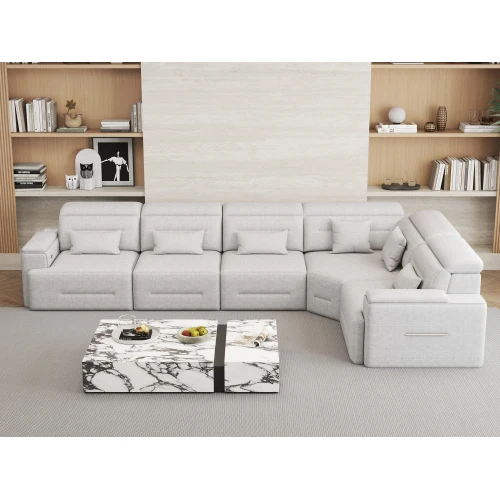
Goldoma Modular Power Recliner Sofa Bed – L-Shape Sectional with Adjustable Headrests
For those seeking a versatile and modern option, consider the Goldoma Modular Power Recliner Sofa Bed – L-Shape Sectional with Adjustable Headrests, which combines comfort with flexible configuration.
Frequently asked questions
How much space do I need behind a power recliner sofa?
Most power recliners need 6 to 12 inches of clearance from the wall to fully recline. Wall-hugger models can reduce this to 2-3 inches. Always check the manufacturer’s specifications.
Can I use a power recliner sofa without electricity?
No, power recliners require electricity to operate the motors. Some models have battery backups for limited use during outages, but they are not manual. If you need a manual option, consider a manual recliner sofa instead.
What is the weight limit for a power recliner sofa?
Weight limits vary by model, but typical per-seat capacity is 250-300 pounds. Heavy-duty models may support up to 500 pounds. Always check the product specifications.
How long do power recliner sofas last?
With proper care, a quality power recliner sofa can last 5-10 years or more. Factors include frame construction, motor quality, and frequency of use. Regular maintenance extends its life.