
Blog
Pruning Shears: The Complete Buying Guide
Garden Tools
Choosing the Right Pruning Shears for Your Garden
Pruning shears are an essential tool for any gardener, but with so many options, how do you pick the right one? This guide breaks down everything you need to know.
Understanding Pruning Shears
Pruning shears, also known as hand pruners or secateurs, are designed for cutting small branches and stems up to about 3/4 inch thick. They come in two main types: bypass and anvil. Bypass shears work like scissors, with a sharp blade that passes by a thicker, unsharpened counter blade. They make clean cuts on living wood, which promotes faster healing. Anvil shears have a single straight blade that closes onto a flat surface (the anvil). They are better for dead wood and harder materials, but can crush live stems.
Key Features to Consider
When choosing pruning shears, consider the blade material. High-carbon steel holds an edge well but can rust; stainless steel is more resistant but may not stay sharp as long. Look for blades with a non-stick coating to prevent sap buildup. The handle material matters too: wood offers a classic feel, while fiberglass or aluminum are lighter and more durable. Ergonomic designs with rotating handles reduce wrist strain, especially for heavy use.
How to Match Shears to Your Needs
Think about the tasks you’ll be doing. For delicate pruning of roses or small perennials, a lightweight bypass shear is ideal. For thicker branches, consider loppers or a pruning saw, but a sturdy bypass shear can handle most tasks. If you have arthritis or limited hand strength, look for shears with a ratchet mechanism or spring-assisted opening. Test the grip in your hand to ensure it feels comfortable and secure.
Maintenance and Care
To keep your pruning shears in top shape, clean them after each use. Wipe off sap and debris, and disinfect with rubbing alcohol to prevent spreading disease between plants. Sharpen the blade regularly with a sharpening stone or file. Lubricate the pivot point with oil to keep the action smooth. Store them in a dry place, ideally with the blade locked closed.
Safety and Technique
Always wear gloves when pruning to protect your hands from thorns and blisters. Make cuts at a 45-degree angle just above a bud or node, slanting away from the bud. Avoid cutting too close or leaving a long stub. For larger branches, use a three-cut technique to prevent tearing the bark. Remember to never use pruning shears on electrical wires or other non-plant materials.
Top Picks and What to Avoid
While we have our own recommendation, let’s look at what to avoid: cheap shears with thin blades that bend, or those with poorly aligned blades that tear instead of cut. Look for a brand with good reviews and a warranty. For a reliable choice, consider the pruning shears from Goldoma, which offers a comfortable grip and durable blades.
Conclusion
Choosing the right pruning shears comes down to understanding your garden’s needs and the quality of the tool. A good pair will last for years with proper care. We hope this guide helps you make an informed decision.
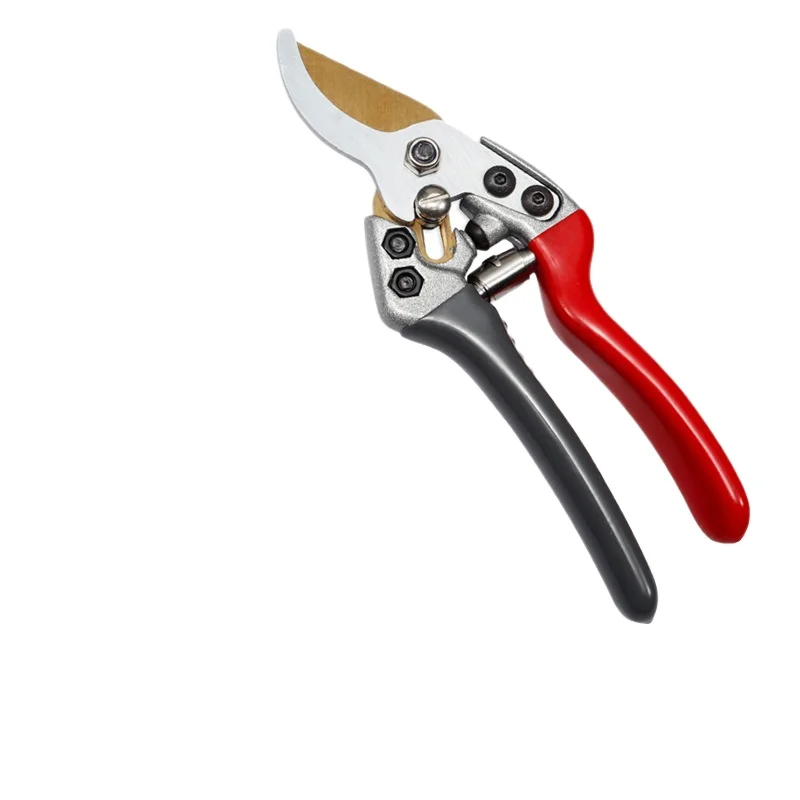
Strong Pruning Fruit Tree Thick Branch Pruning Household Flower Fruit Picking Garden Tools
If you’re looking for a reliable pair, consider the Strong Pruning Fruit Tree Thick Branch Pruning Household Flower Fruit Picking Garden Tools, which offers a comfortable grip and durable blades.
Frequently asked questions
What is the difference between bypass and anvil pruning shears?
Bypass shears have a curved blade that slides past a lower jaw, making clean cuts on living wood. Anvil shears have a straight blade that cuts against a flat surface, better for dead wood but can crush live stems.
How do I sharpen pruning shears?
Use a sharpening stone or file, following the existing bevel angle. Hold the blade steady and move the stone in one direction, then remove any burr. Lubricate after sharpening.
Can I use pruning shears to cut thick branches?
Pruning shears are best for branches up to 3/4 inch thick. For thicker branches, use loppers or a pruning saw to avoid damaging the tool or the plant.
How do I clean pruning shears after use?
Wipe off sap and debris with a cloth, then disinfect with rubbing alcohol. Dry thoroughly and apply a light oil to the blade and pivot point.
