
Blog
How to Choose a Reclaimed Wood End Table for Your Home
Buying Guide
Your Guide to the Perfect Reclaimed Wood End Table
A reclaimed wood end table brings warmth and history into any room. Here’s everything you need to know before making your choice.
What Makes a Reclaimed Wood End Table Special?
Reclaimed wood comes from old barns, factories, and warehouses, giving each piece a story. Unlike mass-produced furniture, a reclaimed wood end table offers unique grain patterns, nail holes, and weathered textures. It’s also an eco-friendly choice because it reduces demand for new lumber and keeps usable materials out of landfills.
Key Factors to Consider When Shopping
Size and Proportion
Measure your space before buying. A standard end table is 20–24 inches tall and 16–22 inches wide. Taller tables work well next to higher seating, while round tables soften angular rooms. Leave at least 6 inches of clearance around the table for easy movement.
Wood Type and Character
Reclaimed wood varies by origin. Common types include pine, oak, and fir. Pine is lighter and softer; oak is harder and more durable. Look for tables with visible saw marks, knots, and color variations—these add character but also affect how the wood ages.
Finish and Maintenance
Most reclaimed wood end tables come with a clear sealant or wax finish. Check if the finish is water-resistant, especially if you plan to place drinks on it. To maintain the wood, dust regularly and avoid direct sunlight to prevent fading. Apply a natural oil or wax every year to preserve the patina.
Metal Accents: A Perfect Pairing
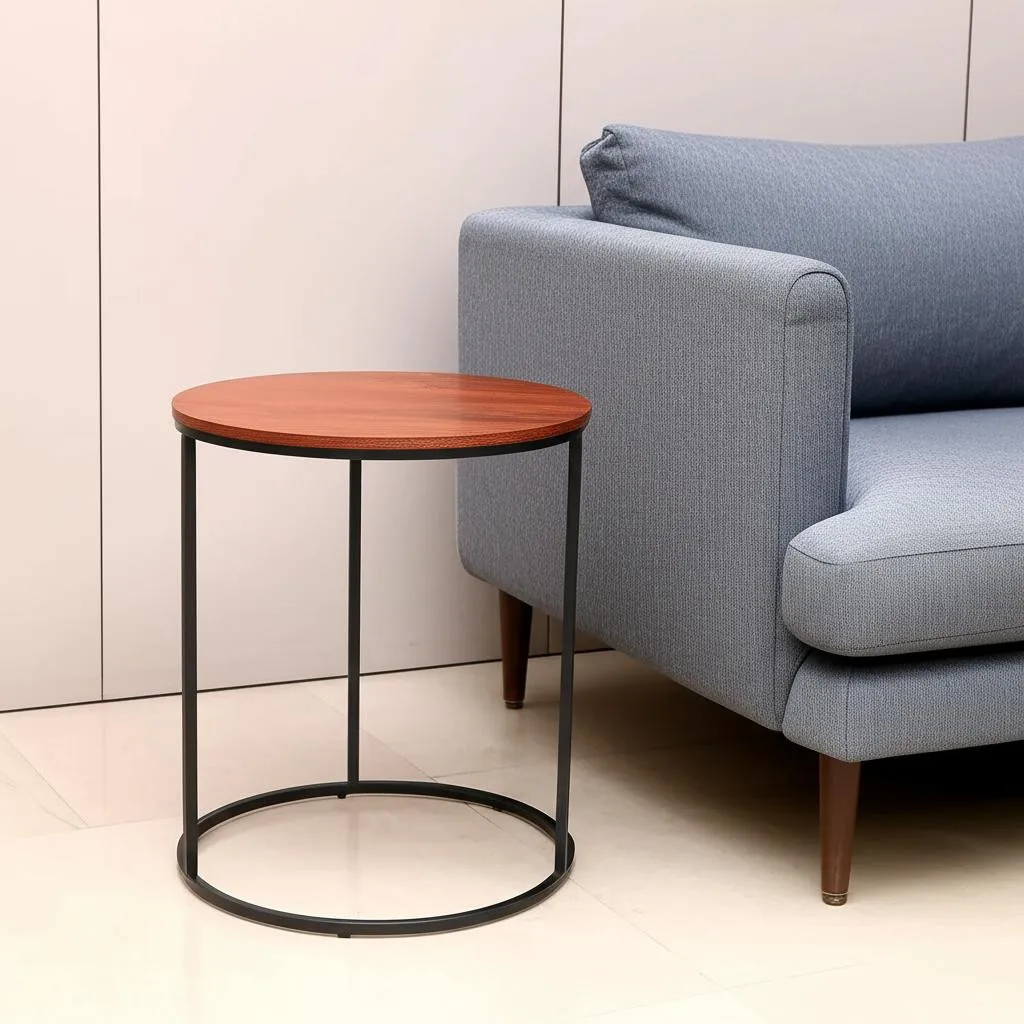
Many reclaimed wood tables incorporate metal legs or frames. Black or dark steel contrasts beautifully with the wood’s warm tones, adding an industrial edge. Ensure the metal is powder-coated or treated to prevent rust. For a cohesive look, match the metal finish with other furniture hardware in the room.
Why Round End Tables Work in Small Spaces
Round tables are ideal for tight corners or beside sofas. They have no sharp edges, making them safer for high-traffic areas. A round reclaimed wood end table can soften the lines of a room filled with rectangular furniture, creating visual balance.
How to Style Your Reclaimed Wood End Table
Keep styling simple to let the wood shine. Place a small plant, a stack of books, or a single ceramic lamp on top. Avoid overcrowding. If your table has a lower shelf, use it for baskets or magazines. The goal is to complement the room without hiding the wood’s natural beauty.
For more on the environmental benefits of reclaimed wood, visit this Wikipedia article.
Where to Find Quality Reclaimed Wood End Tables
Look for sellers who source wood responsibly and provide details about the wood’s origin. Handcrafted pieces often offer better quality than mass-produced ones. Check customer reviews for photos and feedback on durability. A well-made reclaimed wood end table can last for decades with proper care.
Goldoma 22″ Reclaimed Wood & Metal Round End Table – Brown and Black
For a versatile option, consider the Goldoma 22″ Reclaimed Wood & Metal Round End Table in brown and black—it blends rustic charm with modern simplicity.
Frequently asked questions
Is reclaimed wood end table more expensive than new wood?
Reclaimed wood can be pricier due to sourcing and handcrafting, but prices vary. It’s often comparable to mid-range new wood furniture and offers unique character.
How do I clean a reclaimed wood end table?
Dust with a soft cloth. For spills, wipe immediately with a damp cloth and dry. Avoid harsh chemicals; use a mild wood cleaner if needed.
Can I use a reclaimed wood end table outdoors?
Most reclaimed wood tables are for indoor use. If used outdoors, ensure it’s sealed with a weatherproof finish and protect from rain and sun.
What size reclaimed wood end table fits next to a sofa?
The table height should be within 2 inches of the sofa arm height. Width is personal preference, but 20-24 inches is common for standard sofas.
