
Blog
The Ultimate Guide to Choosing a Redness Repair Cream
Skincare Guide
Your Complete Redness Repair Cream Guide
Finding the right redness repair cream can transform your skincare routine. In this guide, we break down what to look for and how to soothe sensitive skin.
What Causes Facial Redness?
Facial redness can stem from various factors, including genetics, environmental triggers, and skin conditions like rosacea. Understanding the root cause is the first step in selecting an effective redness repair cream. Common culprits include sun exposure, harsh weather, and certain skincare ingredients. For more on rosacea, check out this Wikipedia article.
Key Ingredients in a Redness Repair Cream
When shopping for a redness repair cream, look for soothing ingredients like niacinamide, centella asiatica, and green tea extract. These help calm inflammation and strengthen the skin barrier. Avoid alcohols and fragrances that can exacerbate redness.
Niacinamide
Niacinamide is a form of vitamin B3 that reduces redness and improves skin texture. It’s a staple in many redness-targeting products.
Centella Asiatica
Also known as tiger grass, this ingredient is renowned for its healing properties and is often found in formulas for sensitive skin.
How to Choose the Right Redness Repair Cream
Selecting a redness repair cream involves considering your skin type and the severity of your redness. For mild redness, a lightweight gel may suffice. For chronic conditions like rosacea, opt for a richer cream with ceramides. Patch test before full application.
- Check for non-comedogenic labels to avoid clogging pores.
- Look for products with SPF to protect against UV-induced redness.
- Consider fragrance-free options to minimize irritation.
Daily Routine Tips for Reducing Redness
Incorporate your redness repair cream into a gentle routine. Cleanse with a mild, hydrating cleanser, then apply the cream while skin is damp. Follow with a broad-spectrum sunscreen in the morning. Avoid hot water and abrasive scrubs.
Lifestyle Changes to Support Skin Health
Diet and stress management play a role in skin redness. Incorporate anti-inflammatory foods like omega-3s and avoid spicy dishes. Practice relaxation techniques to lower cortisol levels, which can trigger flare-ups.
Common Mistakes When Treating Facial Redness
One common mistake is over-exfoliating, which weakens the skin barrier. Another is using multiple active ingredients simultaneously. Stick to a simple, consistent regimen with a dedicated redness repair cream.
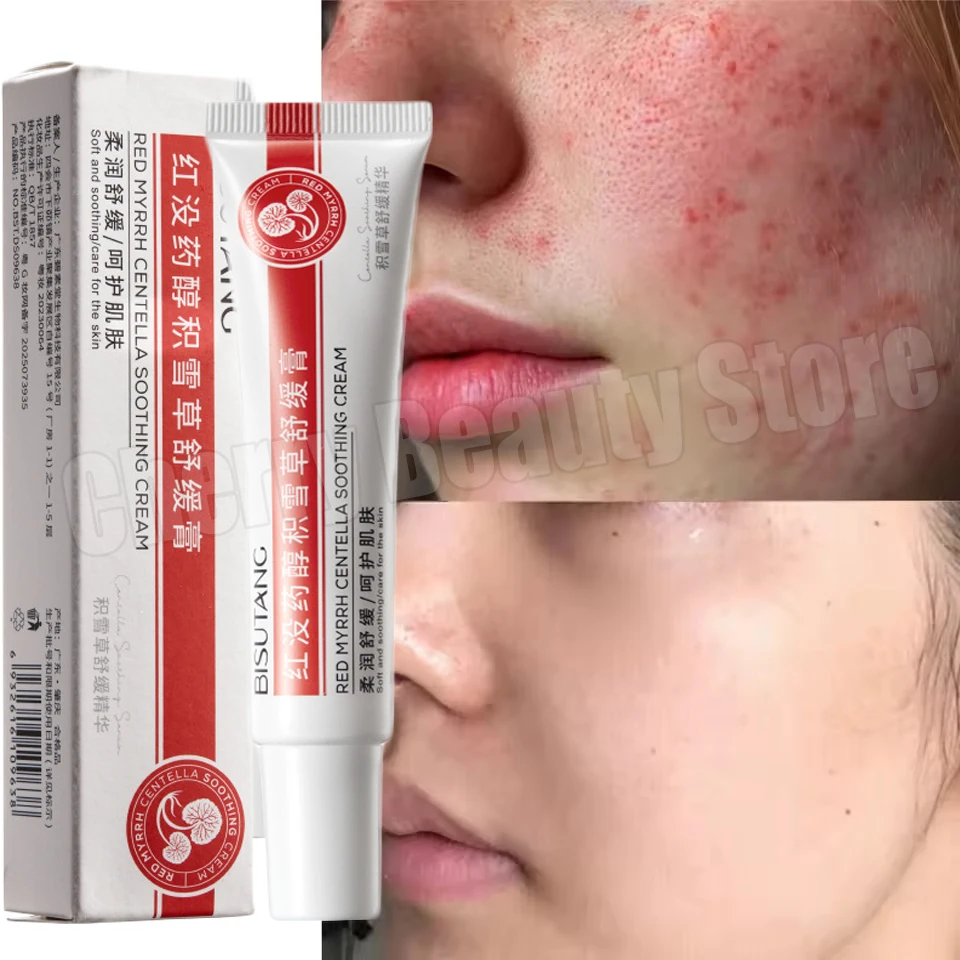
Repair Facial Redness Cream Improve Sensitive Skin Shrink Pores Moisturizer Cream Removal Rosacea Rejuvenating Facial Skin
For a reliable option, consider Repair Facial Redness Cream, which combines soothing botanicals with moisturizing actives to calm sensitive skin.
Frequently asked questions
How often should I apply a redness repair cream?
Apply twice daily, morning and evening, after cleansing. For best results, use consistently for at least four weeks.
Can a redness repair cream help with rosacea?
Yes, many redness repair creams contain ingredients that soothe rosacea symptoms. Look for ones with anti-inflammatory and barrier-repairing properties.
Are there any side effects of using redness repair creams?
Most are gentle, but some may cause irritation if you have allergies. Always patch test and discontinue if you experience stinging or worsening redness.
What is the difference between a redness repair cream and a regular moisturizer?
A redness repair cream is formulated with specific soothing and anti-redness ingredients, while a regular moisturizer focuses on hydration without targeting redness.