
Blog
The Ultimate Guide to Restaurant Tableware: Style and Function
Tableware Guide
Elevate Your Restaurant Tableware Choices
Choosing the right restaurant tableware is more than just a practical decision—it sets the tone for the entire dining experience. From durability to design, every piece matters.
Why Restaurant Tableware Matters
First impressions start with the table. The plates, bowls, and glasses you choose communicate your restaurant’s identity before a single bite is served. Beyond aesthetics, restaurant tableware must withstand daily use, frequent washing, and occasional drops. Investing in quality pieces ensures longevity and consistency, which builds trust with your guests.
Materials: Comparing Ceramic, Porcelain, and Stoneware
Each material offers unique benefits. Ceramic is beloved for its versatility and range of finishes, from matte to glossy. Porcelain is more durable and chip-resistant, ideal for high-volume restaurants. Stoneware provides a rustic, handcrafted feel but can be heavier. For a balance of beauty and resilience, ceramic is a top choice. Learn more about ceramic glazes on Wikipedia.
Durability and Maintenance
Restaurant tableware endures high heat, acidic foods, and commercial dishwashers. Look for pieces that are microwave and dishwasher safe. Avoid materials that stain easily or show scratches. Testing samples before bulk ordering can save headaches later. Remember, replacing broken plates costs more in the long run than investing in durable options upfront.
Design Trends in Restaurant Tableware
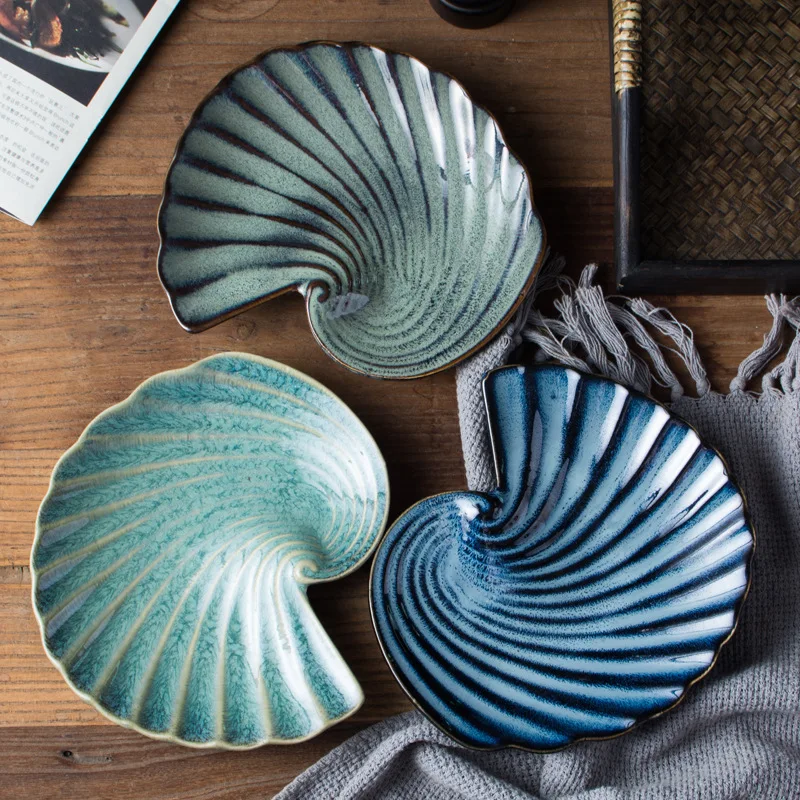
Current trends favor organic shapes and earthy tones. Shell-shaped plates, textured surfaces, and hand-painted details add character. Minimalist white remains a classic, but colored glazes are gaining popularity for their ability to make food pop. Mixing and matching sets can create a unique, curated look without breaking the bank.
Size and Shape: Choosing the Right Plates
Plate size affects portion perception. Larger plates can make small portions look meager, while smaller plates can make generous servings appear abundant. For main courses, 10-12 inch plates are standard. Specialty shapes, like shell or leaf forms, work well for appetizers or desserts, adding visual interest without overwhelming the table.
Eco-Friendly Options
Sustainability is a growing concern. Opt for restaurant tableware made from natural clays and lead-free glazes. Reusable and durable pieces reduce waste compared to disposable alternatives. Some manufacturers use recycled materials in their production, so inquire about eco-certifications. Your guests will appreciate the effort, and it aligns with a green brand image.
Budgeting for Restaurant Tableware
Set a budget per cover, including plates, bowls, glasses, and flatware. Mid-range options often offer the best value: they are affordable yet durable enough for daily use. Consider buying open stock instead of full sets for flexibility. Replacements are easier, and you can gradually upgrade pieces as needed.
Where to Buy Quality Restaurant Tableware
Specialty restaurant supply stores offer bulk discounts and industry-grade products. Online retailers provide convenience and a wider selection. When shopping, read reviews from other restaurateurs and request samples if possible. Don’t forget to check return policies, especially for large orders.
Creative Kiln Transformation Ceramic Plate Restaurant Homestay Special Tableware Personalized Shell Plate Conch Plate
For a distinctive touch, consider the Creative Kiln Transformation Ceramic Plate, a shell-shaped design that brings coastal elegance to any table.
Frequently asked questions
What is the most durable material for restaurant tableware?
Porcelain and high-fired stoneware are among the most durable, resisting chips and cracks better than earthenware. Always check for commercial-grade ratings.
How many plates should a restaurant have per seat?
A typical rule is 3-4 dinner plates, 3-4 salad plates, and 2-3 bowls per seat to account for turnover and breakage. Adjust based on your menu.
Can I mix different styles of tableware?
Absolutely. Mixing styles adds personality. Just ensure a unifying element like color palette or shape to maintain coherence. It’s a popular trend in upscale dining.
How do I care for ceramic restaurant tableware?
Use mild detergents, avoid abrasive scrubbers, and stack with care. Most ceramic is dishwasher safe, but hand washing extends the life of decorative glazes.
