
Blog
The Ultimate Guide to Choosing a Retinol Face Serum
Skincare Guide
Your Complete Retinol Face Serum Buying Guide
A retinol face serum can be a game-changer for your skin, but with so many options, how do you choose the right one? This guide will walk you through everything you need to know to make an informed decision.
Understanding Retinol: What Makes a Retinol Face Serum Effective?
Retinol, a form of vitamin A, is a gold-standard ingredient in skincare for its ability to accelerate cell turnover and stimulate collagen production. When used consistently, a quality retinol face serum can reduce fine lines, improve skin texture, and even out pigmentation. But not all serums are created equal—the concentration, formulation, and stability matter greatly.
Key Ingredients to Look for in a Retinol Face Serum
Beyond retinol itself, look for supporting ingredients that enhance efficacy and minimize irritation. Niacinamide helps calm inflammation, hyaluronic acid boosts hydration, and antioxidants like vitamin C protect against free radicals. Avoid serums with high alcohol content as they can dry out the skin.
How to Choose the Right Strength for Your Skin
Retinol strengths typically range from 0.1% to 1%. Beginners should start with a low concentration (0.1%-0.3%) to allow the skin to adjust. Those with sensitive skin may benefit from a gradual-release formula or a serum with encapsulated retinol. Always patch test before full application.
Best Practices for Incorporating a Retinol Face Serum into Your Routine
Start by applying retinol twice a week at night, then gradually increase frequency as tolerated. Always use sunscreen during the day, as retinol increases sun sensitivity. Pair with a gentle cleanser and moisturizer to maintain the skin barrier.
Common Mistakes to Avoid When Using Retinol
- Applying too much too soon—this can lead to redness and peeling.
- Mixing with strong acids (like AHAs/BHAs) on the same night—alternate instead.
- Neglecting moisturizer—retinol can be drying, so layering with a hydrating product is key.
- Stopping use when irritation occurs—instead, reduce frequency or buffer with moisturizer.
Reading Labels: What to Look for on a Retinol Face Serum Bottle
Check for the percentage of retinol (usually listed as ‘retinol 0.3%’ or similar). Look for ‘encapsulated retinol’ for slower release, or ‘retinyl palmitate’ for a milder form. Avoid products where retinol is listed near the end of ingredients, as it may be in low concentration. For more on retinoids, see this Wikipedia article.
Who Should Use a Retinol Face Serum?
Retinol is suitable for most adults over 25 seeking to prevent or treat signs of aging. It is not recommended for pregnant or breastfeeding women without consulting a doctor. Those with active acne, eczema, or rosacea should proceed with caution and seek dermatologist advice.
Expected Results and Timeline
With consistent use, you may notice improved skin texture within 4-6 weeks, and reduction in fine lines and dark spots after 3-6 months. Patience is key—retinol works gradually but delivers lasting benefits.
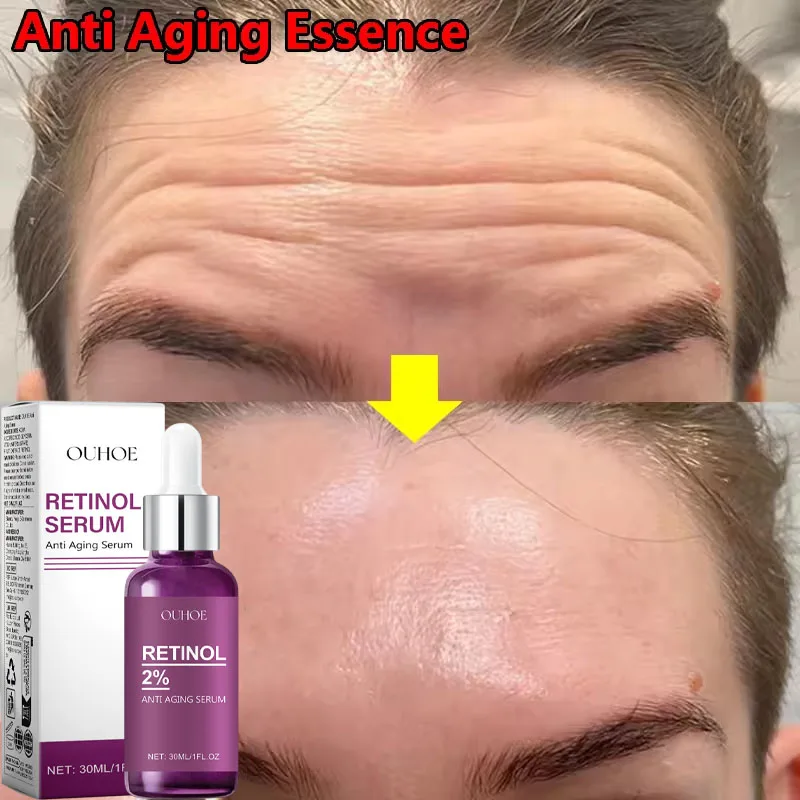
Retinol Remove Wrinkle Face Serum Lift Firming Anti Aging Fade Fine Lines Whitening Brightening Moisturizer Skin Care Cosmetics
For a well-formulated option, consider Retinol Remove Wrinkle Face Serum Lift Firming Anti Aging Fade Fine Lines Whitening Brightening Moisturizer Skin Care Cosmetics, which combines retinol with hydrating and brightening ingredients.
Frequently asked questions
Can I use a retinol face serum every night?
It depends on your skin’s tolerance. Beginners should start with 2-3 times per week, then gradually increase to nightly use if no irritation occurs. Always listen to your skin.
What is the difference between retinol and prescription retinoids?
Retinol is a milder, over-the-counter form of vitamin A that converts to retinoic acid in the skin. Prescription retinoids like tretinoin are stronger and work faster but may cause more irritation.
Can I mix retinol with vitamin C serum?
It’s best to use them at different times of day—vitamin C in the morning and retinol at night—to avoid potential irritation and maximize benefits.
How long does it take to see results from a retinol face serum?
Most people notice initial improvements in skin texture and tone within 4-6 weeks, with more significant changes in fine lines and pigmentation after 3-6 months of consistent use.