
Blog
The Ultimate Guide to Choosing a Retro Sideboard
Buying Guide
Find Your Perfect Retro Sideboard
A retro sideboard can transform your dining or living area with its nostalgic charm. Choosing the right one involves balancing style, storage, and durability.
What Defines a Retro Sideboard?
A retro sideboard typically refers to furniture inspired by mid-20th-century designs, often featuring clean lines, tapered legs, and warm wood tones. These pieces evoke the 1950s and 1960s aesthetic, blending functionality with a playful yet sophisticated look. The term ‘retro’ encompasses various substyles, from Scandinavian minimalism to American mid-century modern. When shopping, look for details like brass hardware, geometric patterns, or sculptural forms that capture that era’s spirit.
Key Features to Look For
Storage Capacity
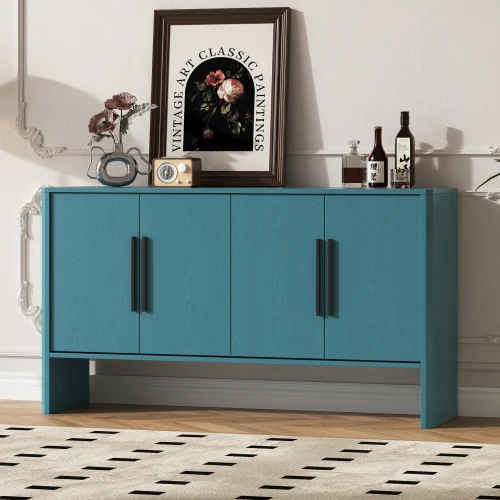
Consider what you’ll store: dinnerware, linens, or media equipment. Look for adjustable shelves, drawers, and compartments. A four-door design like the sideboard offers ample space while maintaining a sleek profile.
Materials and Build
Solid wood, veneers, and metal accents define quality. Teak, walnut, and oak are common in retro furniture. Check for dovetail joints and sturdy construction.
Choosing the Right Size and Shape
Measure your space carefully. A retro sideboard should be proportional to the room. Standard widths range from 48 to 72 inches. Taller units provide more storage, while low profiles keep sightlines open. Consider a curved or angled front for a distinctive look.
Integrating a Retro Sideboard into Modern Decor
Contrast is key. Pair a warm wood sideboard with neutral walls and contemporary art. Use it as a bar, buffet, or media console. Accessorize with retro accents like ceramic vases or vintage lamps. The retro sideboard becomes a focal point without overwhelming the room.
Caring for Your Retro Sideboard
Dust regularly with a soft cloth. Avoid direct sunlight to prevent fading. Use coasters and placemats to protect the surface. Periodically treat wood with a quality polish or wax.
Where to Place a Retro Sideboard
Common spots include the dining room for serving, the living room as a media unit, or the entryway for storage. Ensure there’s enough clearance for doors and drawers to open fully.
Budget and Value Considerations
Prices vary based on materials, brand, and condition. Vintage pieces may require restoration. New reproductions offer consistency. Invest in a piece that will last and bring joy for years.
Retro Side Cabinet FCJ Large 4-Door Storage Sideboard
For a versatile and spacious option, consider the Retro Side Cabinet FCJ Large 4-Door Storage Sideboard, which blends classic design with ample storage.
Frequently asked questions
What is the difference between a retro sideboard and a mid-century modern sideboard?
Retro sideboards encompass a broader range of styles from the mid-20th century, while mid-century modern specifically refers to the design movement from the 1940s to 1960s focused on simplicity and functionality.
How do I style a retro sideboard in a modern home?
Mix eras by pairing the sideboard with contemporary furniture. Use neutral colors for walls and add pops of color through decor. Keep the top uncluttered with a few curated items.
What materials are commonly used in retro sideboards?
Common materials include teak, walnut, rosewood, and oak. Many pieces feature veneers over plywood, with metal or wooden legs.
Can a retro sideboard be used as a TV stand?
Yes, but ensure the size fits your TV and that there are cable management options. Some retro sideboards have open compartments suitable for electronics.
