
Blog
How to Choose the Perfect Rustic Dining Table for Your Home
Buying Guide
Find Your Ideal Rustic Dining Table
A rustic dining table is more than just furniture—it’s the heart of your home. Whether you’re hosting family dinners or enjoying quiet meals, the right table sets the tone for warmth and connection.
Why a Rustic Dining Table Brings Timeless Charm
A rustic dining table evokes a sense of history and craftsmanship. Its natural imperfections—knots, grain variations, and distressed finishes—tell a story. Unlike mass-produced pieces, each table has unique character. This style fits seamlessly into farmhouse, cottage, or industrial interiors, grounding the room with earthy tones and sturdy construction. When you choose a rustic dining table, you’re investing in a piece that ages gracefully and becomes a backdrop for countless memories.
Key Materials: Solid Wood vs. Metal Accents
The best rustic dining tables combine solid wood with metal elements. Hardwoods like oak, acacia, or reclaimed pine offer durability and rich grain patterns. Metal legs or frames add an industrial edge, creating a balanced look. For a classic rustic feel, look for live-edge slabs or hand-scraped finishes. Avoid veneers—they lack the longevity and authenticity of solid wood. Learn more about wood types to understand grain and hardness.
Finding the Right Size and Shape
Measure your dining area before shopping. A rustic dining table should allow at least 36 inches of clearance on each side for chairs and movement. Rectangular tables suit long, narrow rooms, while round ones encourage conversation. For six people, an 80-inch table is ideal—it offers ample space without overwhelming the room. Consider drop-leaf or extendable options if you host large gatherings occasionally.
- Measure length and width of room
- Leave 36–48 inches for walking space
- Account for chair width (20–24 inches per person)
- Choose shape based on room layout
Styles Within the Rustic Spectrum
Rustic dining tables aren’t one-size-fits-all. Farmhouse styles feature turned legs and apron details. Industrial rustic blends wood with black steel. Modern rustic uses clean lines and lighter finishes. Each sub-style can complement your existing decor. A rustic dining table with metal hairpin legs feels contemporary, while a trestle base leans traditional. Browse design magazines or Pinterest for inspiration, but let your home’s architecture guide you.
Farmhouse Rustic
Characterized by thick tops, pedestal bases, and often painted or whitewashed finishes. Perfect for cozy, country-style homes.
Industrial Rustic
Mixes reclaimed wood with black or iron metal. Exposed bolts and rivets add an urban, workshop aesthetic. Great for lofts or modern spaces.
Maintenance and Care for Longevity
A rustic dining table requires simple care to maintain its beauty. Dust regularly with a soft cloth. Use coasters and placemats to prevent water rings and heat marks. Avoid harsh chemicals—mild soap and water suffice. For wood, apply mineral oil or beeswax every few months to nourish the surface. Metal components may need occasional tightening. With proper care, your table will last decades, developing a patina that enhances its rustic appeal.
- Dust weekly with a microfiber cloth
- Wipe spills immediately
- Use trivets for hot dishes
- Re-oil wood every 6–12 months
Budgeting for Quality
Investing in a well-made rustic dining table pays off. Prices vary based on wood type, craftsmanship, and size. Solid wood tables from reputable makers start around $800 and can exceed $2,000. Reclaimed wood often costs more due to sourcing. Set a realistic budget, but prioritize quality over price—a durable table saves money in the long run. Check for joinery techniques like mortise and tenon, which indicate sturdiness.
Final Thoughts: Making Your Choice
Take your time selecting the perfect rustic dining table. Visit showrooms to see finishes in person, read reviews, and consider your lifestyle. Whether you opt for a reclaimed wood masterpiece or a sleek industrial model, the right table will anchor your dining space for years. Remember, the best table is one that fits your home and brings your family together.
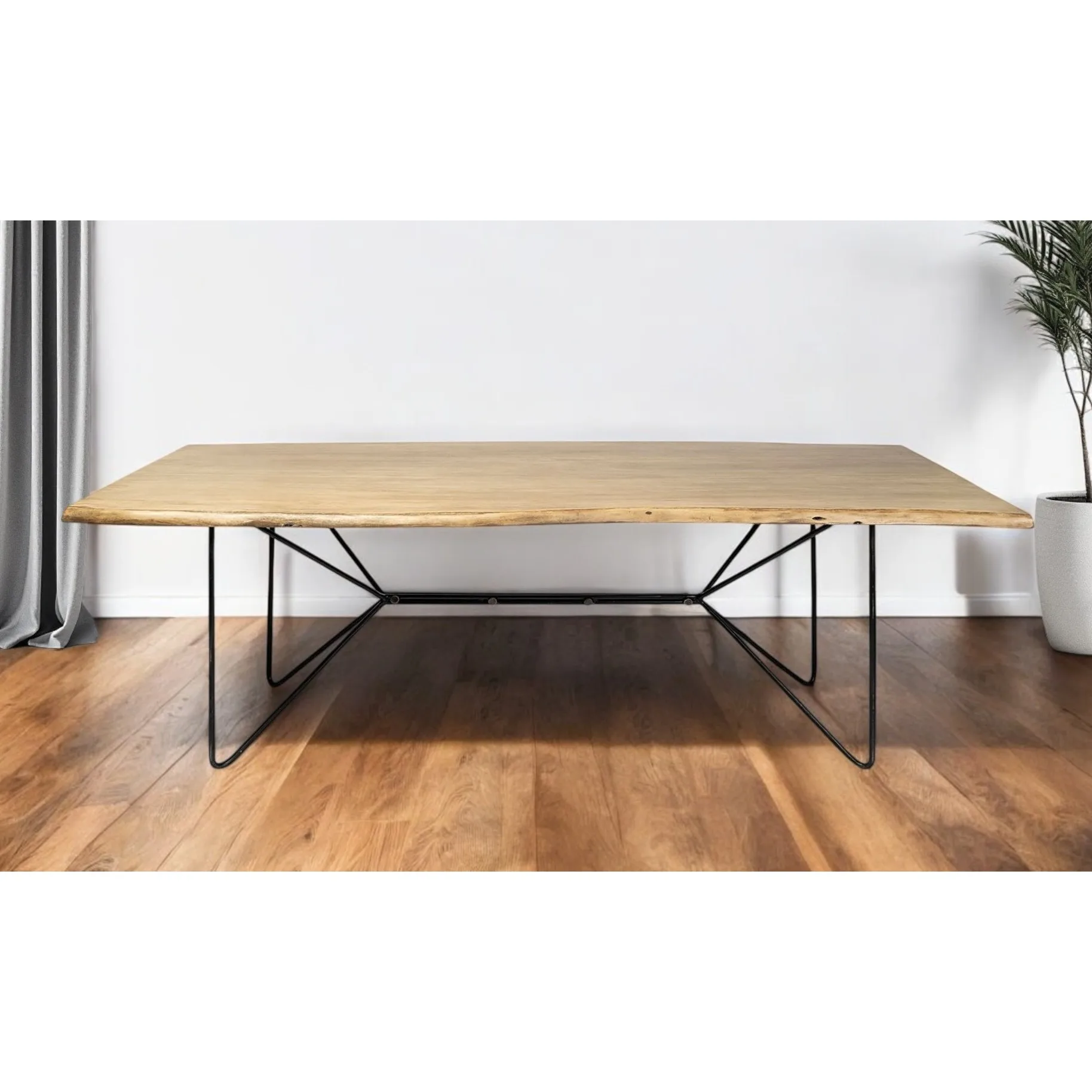
Goldoma 80-Inch Rustic Industrial Dining Table for 6 – Brown & Black Solid Wood and Metal
For a beautifully crafted option, consider the Goldoma 80-Inch Rustic Industrial Dining Table for 6 – Brown & Black Solid Wood and Metal, which combines solid acacia wood with a sturdy black metal frame.
Frequently asked questions
What is a rustic dining table?
A rustic dining table is a piece of furniture characterized by natural materials, often solid wood with visible grain, knots, and distressed finishes. It emphasizes craftsmanship and earthy aesthetics, fitting farmhouse, cottage, or industrial decor.
How do I choose the right size rustic dining table?
Measure your dining area, leaving at least 36 inches of clearance on each side. For six people, an 80-inch rectangular table is ideal. Consider the room shape—rectangular for long rooms, round for square spaces. Extendable options offer flexibility for guests.
What materials are best for a rustic dining table?
Solid hardwoods like oak, acacia, or reclaimed pine are best for durability and authentic rustic look. Metal legs or frames add industrial style. Avoid veneers and particleboard as they lack longevity.
How do I maintain a rustic dining table?
Dust regularly with a soft cloth, use coasters and placemats, and clean with mild soap and water. Apply mineral oil or beeswax every few months to protect the wood. Avoid harsh chemicals and direct sunlight.