
Blog
How to Choose the Perfect Side Table for Any Room
Buying Guide
Find Your Ideal Side Table for Every Space
Choosing the right side table can transform a room, adding both function and style. Whether you need a spot for your morning coffee or a lamp for reading, this guide will help you pick the perfect side table for your needs.
Why a Side Table Matters in Your Home
A side table is more than just a surface—it’s a versatile piece that anchors your seating area, holds essentials, and contributes to the overall aesthetic. From holding drinks and books to displaying decor, its role is pivotal. When chosen thoughtfully, a side table can elevate a room’s design while keeping everyday items within reach.
Key Factors to Consider When Choosing a Side Table
Before you buy, think about these aspects to ensure your new side table fits seamlessly into your space.
Size and Proportion
Measure the height of your sofa or chair—the tabletop should be within a few inches of the armrest. Allow at least 18 inches of clearance for easy access. For small rooms, a compact side table (like a 16-inch diameter) works best; larger spaces can accommodate wider or taller designs.
Material and Durability
Wood offers warmth and durability, while metal brings an industrial edge. Glass tops create an airy feel but show fingerprints. For high-traffic areas or outdoor use, consider weather-resistant materials like teak, aluminum, or powder-coated steel. Each material has its own care requirements.
Popular Styles of Side Tables to Match Your Decor
Your side table should complement your existing furniture. Here are some common styles:
- Modern: Clean lines, often with metal or glass, perfect for contemporary spaces.
- Rustic: Reclaimed wood or distressed finishes add a cozy, farmhouse feel.
- Industrial: Mix of wood and metal, featuring exposed hardware and raw textures.
- Traditional: Ornate details, turned legs, and rich wood tones for classic interiors.
- Mid-Century Modern: Tapered legs and organic shapes that remain timeless.
Best Uses for a Side Table in Different Rooms
A side table isn’t just for the living room. Consider these placements:
- Living Room: Next to the sofa or armchair for drinks, remotes, and decor.
- Bedroom: As a nightstand for lamps, books, and alarms.
- Home Office: Beside a desk or reading chair for supplies and coffee.
- Outdoor Patio: A weather-resistant side table for snacks and plants.
- Entryway: A small table for keys, mail, and a catch-all tray.
How to Style Your Side Table for Maximum Impact
Once you have your side table, style it to reflect your personality. Start with a lamp for task lighting, then add a stack of books, a small plant, or a decorative tray. Keep the surface uncluttered—edit to one or two functional items and one decorative piece. Vary heights and textures for visual interest.
Material Comparison: Wood vs. Metal vs. Glass Side Tables
Each material has pros and cons:
- Wood: Warm, sturdy, and absorbs sound. Needs periodic polishing. Avoid prolonged moisture.
- Metal: Sleek, durable, and easy to clean. Can feel cold; prone to scratches.
- Glass: Visually lightens a room, but smudges easily and may chip. Best for low-traffic areas.
- Faux Wood: Like MGO (magnesium oxide) composite, offers the look of wood with superior weather resistance and low maintenance. Ideal for both indoor and outdoor use.
For more on materials, see Wikipedia’s furniture overview.
Space-Saving Solutions: Small Side Tables for Tight Areas
If square footage is limited, look for slim, nesting, or corner side tables. A narrow table (12-14 inches wide) can fit between sofa and wall. Round tables are easier to navigate around than square ones. Consider a C-table that slides over the sofa for laptop use.
Caring for Your Side Table to Extend Its Life
Proper maintenance keeps your side table looking new. Use coasters for drinks, dust regularly, and clean spills immediately. For wood, apply a furniture polish every few months. Metal tables can be wiped with a damp cloth and dried. Glass needs a streak-free cleaner. Outdoor tables should be stored or covered during harsh weather.
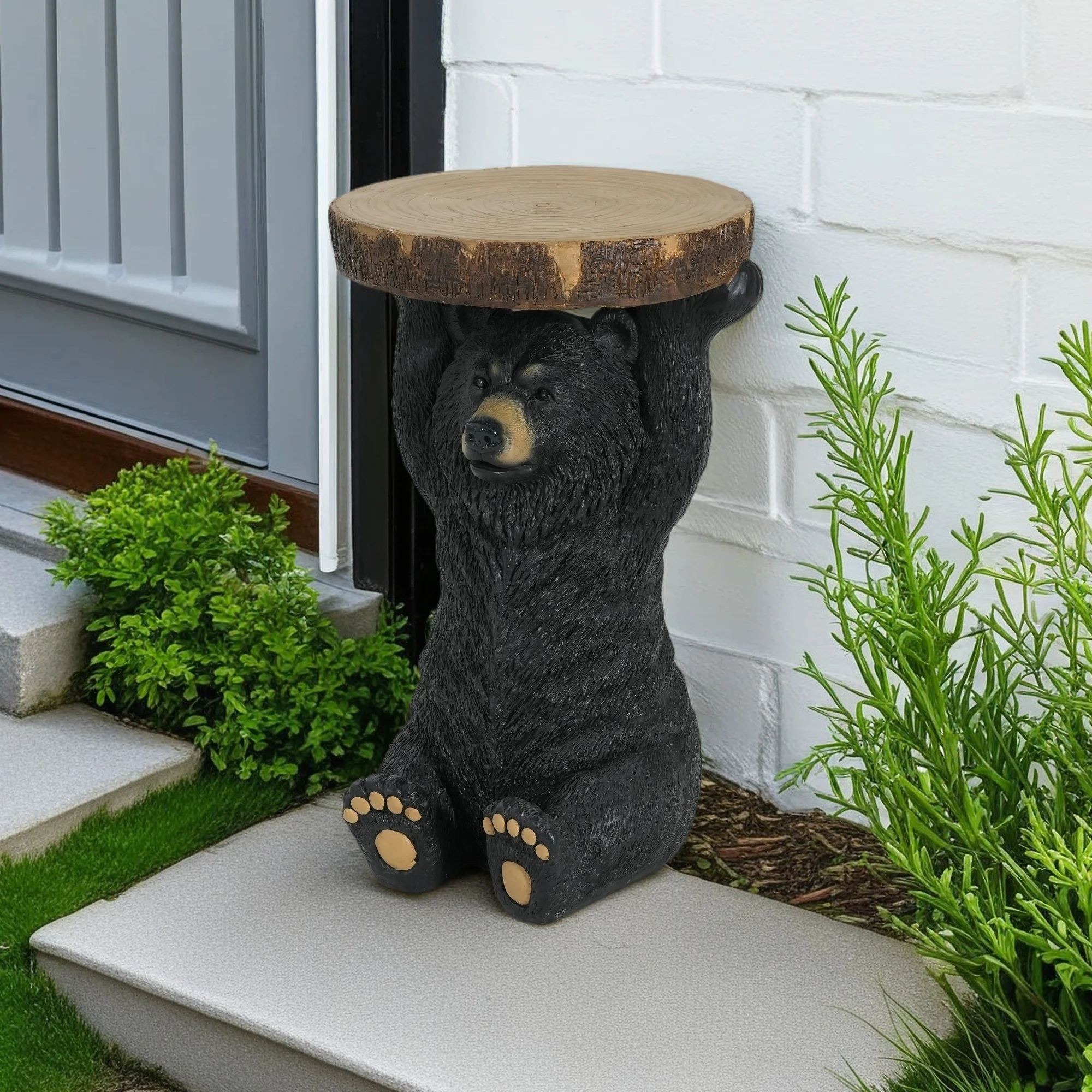
Goldoma Hand Painted Black Bear Side Table – MGO End Table with Faux Wood Top for Living Room, Office, Outdoor
For a unique blend of durability and charm, the Goldoma Hand Painted Black Bear Side Table offers a faux wood top that works beautifully indoors or on a patio.
Frequently asked questions
What is the standard height for a side table?
Most side tables are between 20 and 30 inches tall, matching the arm height of standard sofas and chairs. Measure your seating to ensure the tabletop is within 2-4 inches of the armrest.
Can I use a side table outdoors?
Yes, but choose materials like teak, aluminum, or powder-coated steel that resist moisture and UV rays. Faux wood options, such as MGO composites, also work well outdoors.
How do I style a small side table without it looking cluttered?
Limit items to three: a lamp, a small plant or book, and a coaster or tray. Use vertical space with a stack of books or a tall vase.
What is the difference between a side table and an end table?
The terms are often used interchangeably. Generally, an end table is placed at the end of a sofa, while a side table can be anywhere beside a chair or bed. Both serve similar functions.