Blog
The Best Silicone Cake Mold Guide for Bakers
Baking Essentials
Choosing the Right Silicone Cake Mold for You
A silicone cake mold can transform your baking with its flexibility and non-stick properties. Whether you’re a beginner or a pro, finding the right mold makes all the difference.
Why Choose a Silicone Cake Mold?
Silicone cake molds have become popular for their flexibility, non-stick surface, and ease of cleaning. Unlike metal pans, they don’t require greasing, and they release cakes effortlessly. Silicone can withstand temperatures from -40°F to 500°F, making it suitable for baking, freezing, and even microwave use. Learn more about silicone.
Key Features to Look For
When shopping for a silicone cake mold, consider material quality. Pure silicone is odorless and tasteless, while filled silicone may retain smells. Look for molds with reinforced edges to maintain shape. Thickness matters: thicker molds distribute heat evenly and last longer. Also, check for FDA or LFGB certification for food safety.
Shape and Size
From classic rounds to intricate flowers, silicone molds come in endless shapes. If you’re making layered cakes, standard round molds work best. For decorative desserts, a 3D flower mold adds elegance. Size affects baking time—larger molds require longer baking, and smaller ones need less.
How to Use a Silicone Cake Mold
Though non-stick, a light spray of oil can ensure perfect release. Place the mold on a baking sheet for stability, as silicone is floppy. Avoid using sharp knives inside the mold. After baking, let the cake cool before unmolding—gently push the bottom to release. Cleaning is simple: wash with warm soapy water or place on the top rack of the dishwasher.
Comparing Silicone to Other Materials
Metal pans conduct heat faster, leading to crispier edges, while silicone yields softer sides. Silicone is lightweight and stores flat, but it may not brown cakes as deeply. For sticky batters, silicone wins. For crusty loaves, metal might be better. Consider your recipe and preference.
Caring for Your Silicone Mold
To extend the life of your silicone cake mold, avoid direct contact with flames or heating elements. Store it flat or rolled—never folded, as creases can cause cracks. Keep away from sharp utensils. If stains appear, a paste of baking soda and water can clean it.
Creative Uses Beyond Cake
Silicone molds aren’t just for cakes. Use them for gelatin desserts, chocolate bonbons, soap making, or even candle crafting. Their heat resistance makes them versatile for freezer-to-oven recipes. With a little creativity, your silicone cake mold can be a multi-purpose tool.
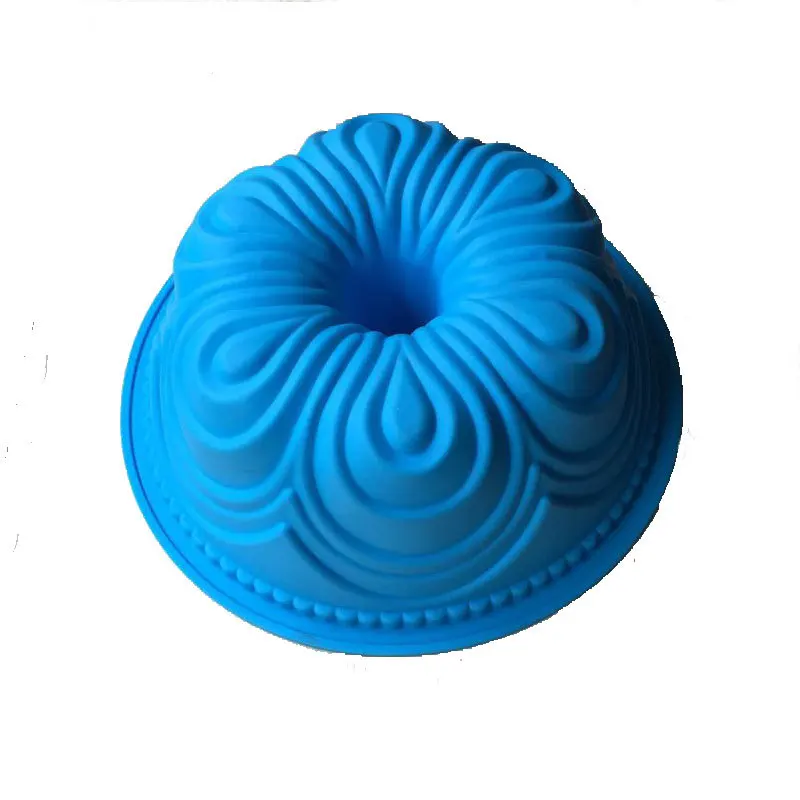
3D Flower Shape Silicone Cake Mold Cake Pan Desserts Bakeware Moulds Cake Maker DIY Cake Baking Decorating Tools
For a beautifully detailed bake, our 3D Flower Shape Silicone Cake Mold offers intricate petals that make every dessert a centerpiece.
Frequently asked questions
Can I use a silicone cake mold in a conventional oven?
Yes, most silicone cake molds are oven-safe up to 500°F. Always check the manufacturer’s guidelines for temperature limits.
How do I clean a silicone cake mold?
Hand wash with warm soapy water or place on the top rack of the dishwasher. Avoid abrasive scrubbers to prevent surface damage.
Does a silicone cake mold need greasing?
Typically no, but a light spray of oil can help release delicate designs. Silicone is naturally non-stick.
Can I use a silicone mold for freezing?
Yes, silicone is freezer-safe. It’s great for making frozen desserts or prepping items ahead of time.