
Blog
The Complete Guide to Choosing a Silicone Cake Mold
Baking Essentials
Your Essential Silicone Cake Mold Buying Guide
A silicone cake mold can transform your baking experience, offering flexibility and easy release. Whether you’re a home baker or a professional, choosing the right mold is crucial for consistent results.
Why Choose a Silicone Cake Mold?
Silicone bakeware has gained popularity for its non-stick properties and durability. Unlike metal pans, a silicone cake mold doesn’t require greasing, saving time and reducing fat. It’s also flexible, making it easy to pop out delicate cakes without breaking them. Plus, silicone withstands temperatures from -40°F to 446°F, suitable for freezing and baking.
Key Features to Look For
Material Quality
Choose 100% food-grade silicone, free from fillers. Pure silicone is odorless and won’t leach chemicals. A quick test: twist the mold; if white shows, it may contain fillers.
Heat Resistance
Ensure the mold can handle your oven’s max temperature. Most silicone molds are safe up to 446°F, but verify the label.
Shape and Size
From classic rounds to intricate flowers, silicone bakeware offers endless shapes. Consider your recipes: a square mold is great for brownies, while a flower shape adds elegance to mousse cakes.
How to Use a Silicone Cake Mold Properly
Place the mold on a baking sheet for stability. Fill it no more than 2/3 full. Avoid using sharp knives inside; silicone cuts easily. For best non-stick results, lightly dust with flour after washing.
Cleaning and Maintenance Tips
Wash with warm soapy water; silicone is dishwasher safe. Avoid abrasive sponges. Store flat or hanging to prevent creases. Silicone can absorb odors, so bake a batch of baking soda to refresh.
Common Baking Mistakes with Silicone Molds
- Overfilling: leads to spills and uneven baking.
- Using metal utensils: scratches the surface.
- Not placing on a tray: flexible molds need support.
Eco-Friendly and Safe
Silicone is reusable, reducing waste. It’s BPA-free and non-toxic. Unlike non-stick coatings, silicone doesn’t release harmful fumes at high heat.
Final Thoughts on Your Silicone Cake Mold
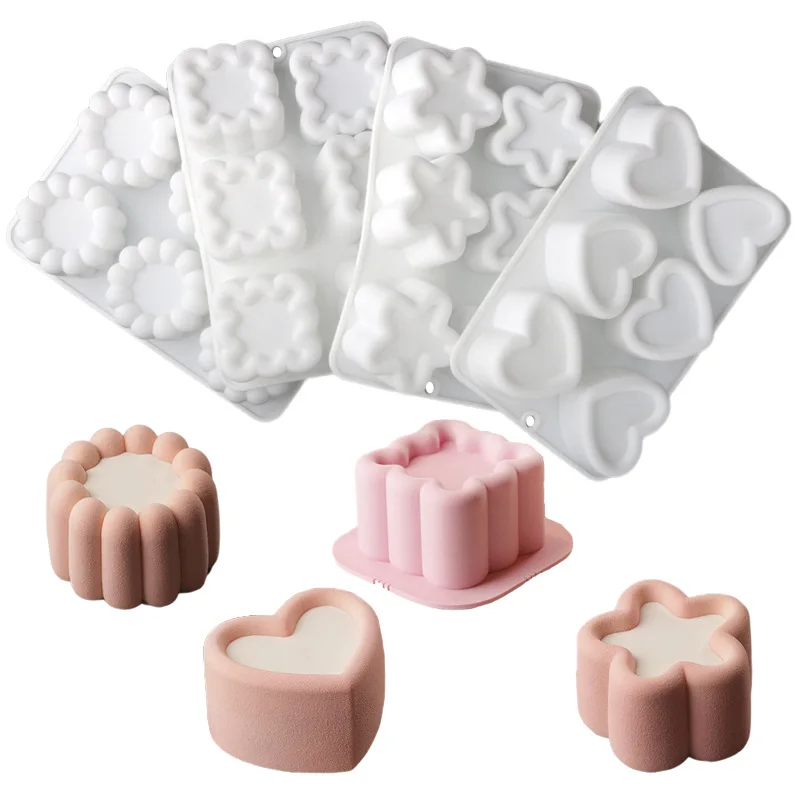
Investing in a quality mold enhances your baking. For a versatile option, consider the Silicone Mousse Cake Mold Square Flower—it’s non-stick and perfect for creative desserts.
Silicone Mousse Cake Mold Square Flower Easy Using Non-stick Chocolate Dessert Baking Mold for Cake Decorating DIY Bakeware Tool
For a reliable and versatile option, our Silicone Mousse Cake Mold Square Flower offers easy non-stick release and is ideal for creative cake decorating.
Frequently asked questions
Can I use a silicone cake mold in a microwave?
Yes, most silicone molds are microwave-safe, but check the manufacturer’s instructions. They are also freezer-safe.
Do I need to grease a silicone cake mold?
Usually not, as silicone is naturally non-stick. However, a light spray can help with very sticky batters.
How do I remove cake from a silicone mold without breaking it?
Let the cake cool, then gently flex the mold. If stuck, place in the freezer for 10 minutes.
Is silicone bakeware safe for health?
Food-grade silicone is BPA-free and inert, making it safe for baking. Avoid low-quality products with fillers.
