
Blog
The Ultimate Guide to Choosing a Sleeper Sofa Bed
Buying Guide
How to Choose the Right Sleeper Sofa Bed
A sleeper sofa bed is a versatile piece of furniture that can transform a living room into a guest room in seconds. Whether you’re hosting overnight guests or need a flexible seating solution, the right sleeper sofa bed can make all the difference.
Understanding the Basics of a Sleeper Sofa Bed
A sleeper sofa bed combines a sofa with a hidden mattress, offering both seating and sleeping functions. Unlike a futon, which folds flat, a sleeper sofa typically has a pull-out mechanism. The key components to consider are the frame, mattress, and mechanism. A sturdy frame made from kiln-dried hardwood ensures longevity, while a quality mattress—whether innerspring, memory foam, or gel—affects sleep comfort. The mechanism should operate smoothly; look for easy-to-pull handles and locking legs.
When shopping, think about how often you’ll use the bed. For occasional guests, a basic mechanism may suffice. For frequent use, invest in a better mattress and a more robust frame. Also, consider the unfolded size: a standard twin sleeper measures about 39×75 inches, while a queen is 60×80 inches. Measure your space to ensure the sofa fits when fully extended.
For more on the history and types of sofa beds, check out this Wikipedia article on sofa beds.
Choosing the Right Size and Configuration
Before buying a sleeper sofa bed, measure your room. Account for the sofa’s footprint when closed and the additional clearance needed when the bed is open. A common mistake is forgetting that the bed pulls out forward, requiring about 6-8 feet of space in front. Also, consider the traffic flow: you don’t want the bed to block a doorway.
Configurations vary: some have a chaise lounge, others a pull-out from the side. The most traditional is the three-seater with a pull-out. For smaller spaces, a loveseat sleeper might be ideal. Think about who will use it: a child, a tall adult, or a couple. A queen-size sleeper offers more room but takes up more floor space.
Here are some tips:
- For a small apartment, a twin or full-size sleeper sofa bed works well.
- For a dedicated guest room, a queen-size provides comfort for two.
- Consider a sectional with a pull-out if you have a larger family room.
Mattress Types and Comfort Levels
The mattress is the heart of any sleeper sofa bed. Common types include:
- Innerspring: Traditional coils offer support but may feel firm. Look for a high coil count.
- Memory Foam: Conforms to the body, great for pressure relief. Can retain heat; some have cooling gel.
- Gel-Infused Foam: Combines memory foam’s comfort with cooling properties.
- Hybrid: Layers of foam over coils for both support and comfort.
Test the mattress if possible. A thin mattress (under 4 inches) may not provide enough support for regular use. Also, check the mattress’s thickness when folded—some modern designs have a split mattress that folds without a bar, reducing discomfort. If you have back issues, consider a model with a reinforced mattress.
Frame Construction and Durability
The frame determines how long your sleeper sofa bed will last. Look for frames made from hardwood like oak, maple, or beech. Avoid particleboard or plastic—they warp over time. The joints should be glued and screwed, not just stapled. A metal frame is an option but can be heavy and might rust.
Check the weight capacity: most sleeper sofas support 250-300 lbs per seat, but the bed mechanism may have a lower limit. Also, inspect the legs: they should be sturdy and level. Some models have removable legs for easier moving.
Pro tip: Lift the sofa slightly—if it feels wobbly, the frame is likely weak. A well-built frame adds years to the life of your sleeper sofa bed.
Upholstery and Style Considerations
The fabric or leather you choose affects both aesthetics and maintenance. Popular upholstery options include:
- Polyester: Durable and stain-resistant, great for families.
- Cotton: Soft but wrinkles easily; may require regular cleaning.
- Linen: Breathable and elegant, but prone to wrinkling and stains.
- Leather: Easy to clean and ages well, but can be cold and expensive.
- Microfiber: Soft, durable, and resists spills.
Consider the color and pattern: neutral tones like beige, gray, or navy blend with most decors. Darker shades hide stains better. If you have pets, choose a fabric that resists pet hair and is easy to vacuum. Also, think about cushion fill: high-resilience foam keeps its shape longer.
Mechanism and Ease of Use
Test the pull-out mechanism in the store. It should glide smoothly without sticking. Common mechanisms include:
- Pull-out: The most common; requires pulling a handle and lifting the seat.
- Click-clack: The backrest folds down to form a bed; no storage.
- Futon: The seat and backrest flatten together; often less comfortable.
For frequent use, a pull-out with a metal frame and locking legs is best. Some models have a no-sag mechanism that prevents the mattress from dipping. Also, consider how much effort it takes to convert—if you have limited strength, look for a model with a spring-assisted lift.
Safety note: Ensure the mechanism has a locking feature to prevent accidental folding while in use.
Budget and Value Considerations
Sleeper sofa beds range from $300 to over $2000. A higher price often means better materials, a thicker mattress, and a more reliable mechanism. However, you don’t need to break the bank for occasional use. For a balance of quality and cost, look for a mid-range model with a solid wood frame and a memory foam mattress.
Consider the long-term value: a cheaper model might need replacing in a few years, while a well-built one can last a decade. Also, factor in delivery and assembly costs. Some retailers offer free shipping, while others charge extra.
Don’t forget to read reviews—they often reveal issues with comfort or durability that aren’t obvious in-store.
Maintenance and Care Tips
To extend the life of your sleeper sofa bed, follow these tips:
- Vacuum the upholstery weekly to remove dust and crumbs.
- Rotate the mattress every few months to prevent sagging.
- Check the mechanism annually for loose screws or worn parts.
- Clean spills immediately with a mild detergent and blot, don’t rub.
- Use a mattress protector to keep the bed clean.
If the sofa has removable cushion covers, wash them according to the care label. For leather, use a conditioner to prevent cracking. Proper care ensures your sleeper sofa bed remains comfortable and attractive for years.
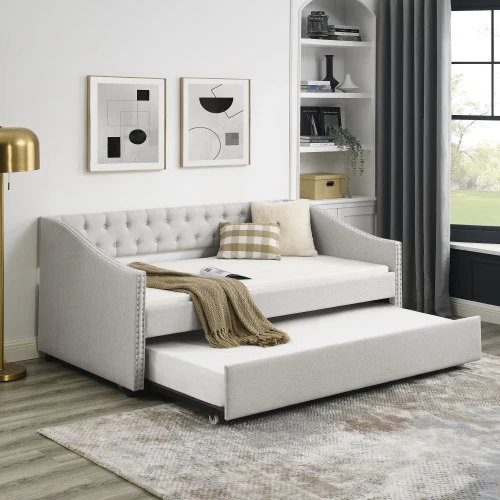
Goldoma Double Roller Tufted Upholstered Sleeper Sofa Bed – Beige
For a reliable and stylish option, consider the Goldoma Double Roller Tufted Upholstered Sleeper Sofa Bed in Beige, which combines a classic look with a comfortable pull-out bed.
Frequently asked questions
What is the difference between a sleeper sofa and a futon?
A sleeper sofa typically has a pull-out mattress with a metal frame, offering a more traditional bed feel. A futon has a single cushion that folds flat, often less comfortable for sleeping but more casual. Sleeper sofas generally provide better support and durability for regular use.
How much space do I need for a sleeper sofa bed?
Measure the room when the bed is fully extended. For a queen-size sleeper, you need about 6-7 feet of clearance in front. Also account for walking space. A good rule: the sofa plus 3 feet of clearance on each side.
Can I use a sleeper sofa bed every night?
Yes, if you choose a model with a high-quality mattress and sturdy frame. Look for a thick mattress (at least 5 inches) and a mechanism designed for daily use. Some sleeper sofas are specifically rated for full-time sleeping.
What is the best mattress type for a sleeper sofa?
Memory foam or gel-infused foam are popular for comfort and support. Innerspring with a high coil count also works well. Avoid thin, low-density foam if you plan to use it often. Test mattresses in person when possible.