Follow us on Instagram @goldomallc
Free shipping on orders over $53 USD
Handcrafted with love
New home décor collection available now
Use code GOLDOMA15 for 15 % off
Follow us on Instagram @goldomallc
Free shipping on orders over $53 USD
Handcrafted with love
New home décor collection available now
Use code GOLDOMA15 for 15 % off


How to Choose a Solid Wood Dining Table for Your Home
Buying Guide
Your Guide to a Solid Wood Dining Table
A solid wood dining table is a timeless investment that brings warmth and durability to your home. Whether you’re hosting family dinners or casual meals, choosing the right one can transform your space.
Durable Eco-Friendly Timeless
Why Choose a Solid Wood Dining Table?
A solid wood dining table offers unmatched longevity and character. Unlike veneer or particleboard, solid wood can be refinished and lasts for generations. Each piece has unique grain patterns, making your table one of a kind. Plus, wood is a renewable resource, so it’s an eco-conscious choice. When you invest in a solid wood dining table, you’re not just buying furniture—you’re creating a centerpiece for memories.
Types of Wood for Your Dining Table
Different woods offer different looks and durability. Here are common options:
- Oak: Hard, heavy, and resistant to wear. Its prominent grain adds texture.
- Walnut: Rich, dark color with a straight grain. Softer than oak but elegant.
- Maple: Light, smooth, and very hard. Great for modern or minimalist spaces.
- Cherry: Warm reddish tones that darken with age. Medium hardness.
- Teak: Naturally water-resistant, ideal for humid climates. Golden brown hue.
Consider the wood’s hardness (Janka scale) and how it fits your lifestyle. For example, oak is excellent for high-traffic families, while walnut suits a more refined setting. Learn more about wood types at Wikipedia’s wood page.
Choosing the Right Size and Shape
Measure your dining area before shopping. Leave at least 36 inches of clearance around the table for chairs and movement. For rectangular tables, allow 24 inches per person for seating. Round tables work well in square rooms and encourage conversation, while rectangular ones fit narrow spaces. Extendable tables offer flexibility for guests. A solid wood dining table should fit both your room and your lifestyle.
Shape Considerations
- Rectangular: Classic, fits most rooms, accommodates many guests.
- Round: Intimate, no sharp corners, good for small spaces.
- Square: Best for square rooms, equal seating for four.
- Oval: Combines benefits of round and rectangular, softer lines.
Style and Design Elements
Your solid wood dining table should complement your decor. Farmhouse tables feature turned legs and distressed finishes, while modern tables have clean lines and metal accents. Mid-century styles showcase tapered legs and organic shapes. Consider the table’s base: trestle bases offer legroom, pedestal bases save space, and four-leg designs are traditional. A solid wood dining table can be a statement piece or blend in seamlessly.
Construction and Quality Indicators
Look for tables with mortise-and-tenon or dovetail joinery—signs of craftsmanship. Check that the wood is kiln-dried to prevent warping. Solid wood planks should be at least 1 inch thick. Avoid tables with MDF or plywood in the core. High-quality tables often have a protective finish like lacquer or oil. Remember, a well-constructed solid wood dining table will outlast cheaper alternatives.
Finishes and Care Tips
Finishes protect the wood and affect appearance. Oil finishes (e.g., tung, linseed) enhance natural grain but require periodic reapplication. Lacquer and varnish are durable and water-resistant. For a matte look, consider a hard wax oil. To maintain your table, use coasters, clean spills promptly, and avoid direct sunlight. Dust regularly with a soft cloth. Every few years, apply a fresh coat of finish to keep it beautiful. A cared-for solid wood dining table can last a lifetime.
Budget and Value Considerations
Prices vary widely based on wood type, size, and craftsmanship. Hardwoods like walnut and teak cost more than oak or maple. A well-made solid wood dining table is an investment—expect to pay $1,000 to $5,000 or more. However, it often costs less per year than replacing cheap tables. Look for sales or consider unfinished tables if you’re handy. Ultimately, the value of a solid wood dining table lies in its durability and timeless appeal.
Worth a look
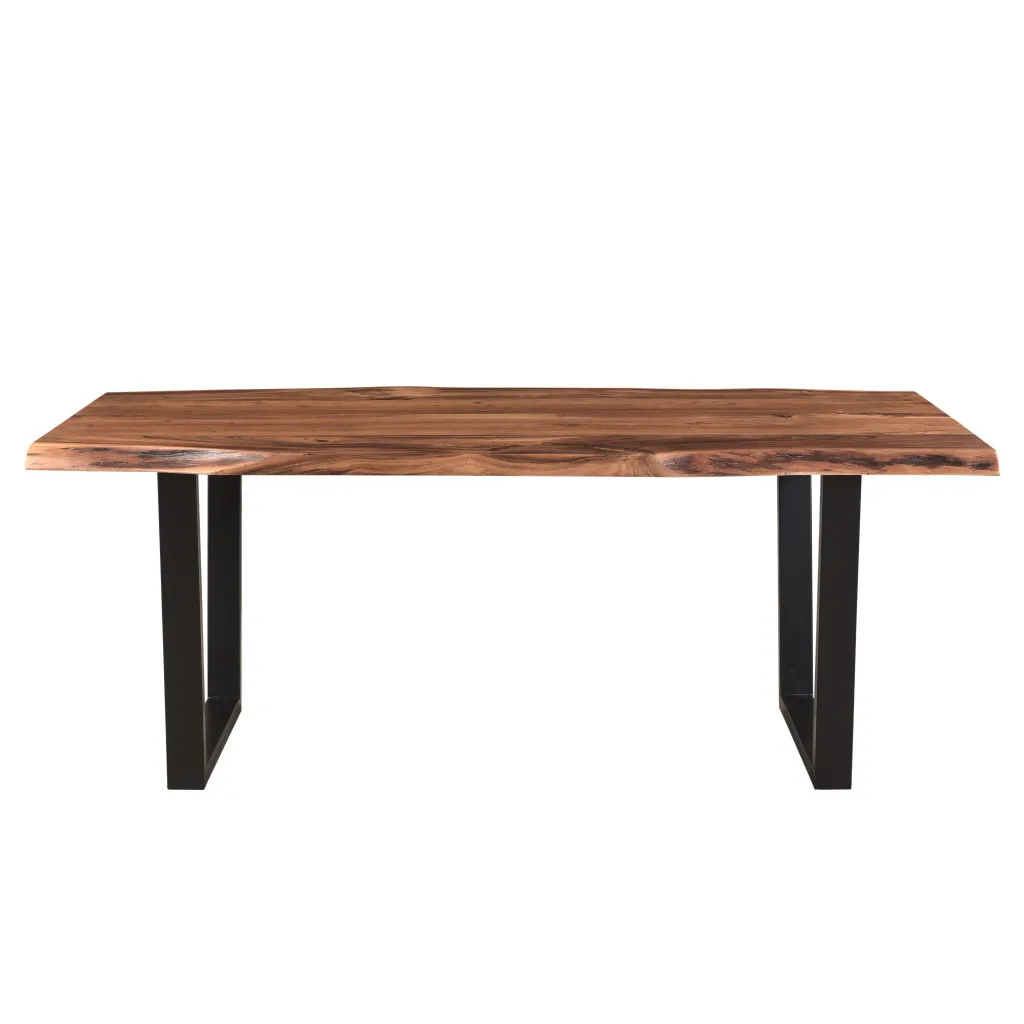
78″ Convertible Modern Dining Table Brown and Black Solid Wood and Metal
For a modern twist, consider the 78″ Convertible Modern Dining Table Brown and Black Solid Wood and Metal, which combines solid wood with a sleek metal base.
Frequently asked questions
How do I know if a table is solid wood?
Check the edges and underside for veneer layers. Solid wood has consistent grain and feels heavy. Look for end grain patterns and seams between planks. Also, ask the seller for construction details.
What size dining table do I need for 6 people?
For 6 people, a rectangular table should be at least 72 inches long and 36 inches wide. Round tables need a diameter of 54-60 inches. Allow 24 inches of width per person.
How do I care for a solid wood dining table?
Use coasters, placemats, and trivets. Clean with a damp cloth and dry immediately. Avoid harsh chemicals. Apply furniture polish or wax occasionally. Keep away from heat sources and direct sunlight.
Is solid wood better than engineered wood?
Solid wood is more durable, repairable, and valuable long-term. Engineered wood can warp or delaminate. However, solid wood is heavier and more expensive. For a heirloom piece, solid wood is superior.