Blog
The Ultimate Guide to Choosing a Solid Wood End Table
Buying Guide
Find Your Perfect Solid Wood End Table
A solid wood end table is more than just a surface for your coffee mug; it’s a statement of craftsmanship and a lasting piece of furniture. Whether you’re anchoring a cozy reading nook or adding function beside the sofa, the right table can transform your space.
Why Choose a Solid Wood End Table?
Solid wood end tables bring warmth and durability to any room. Unlike veneer or particleboard, solid wood can be refinished and lasts for decades. Each piece has unique grain patterns, making your table one-of-a-kind. Plus, wood is a renewable resource when sourced responsibly.
Types of Wood for End Tables
Popular choices include oak, walnut, maple, and cherry. Oak is hard and affordable, with prominent grain. Walnut offers rich, dark tones. Maple is light and subtle, while cherry darkens beautifully with age. Consider the wood’s hardness and how it complements your existing furniture. Learn more about hardwoods.
Oak
Oak is a classic choice for its strength and visible grain. It takes stains well and fits both rustic and modern settings.
Walnut
Walnut is prized for its deep chocolate color and straight grain. It adds a touch of luxury and pairs well with lighter upholstery.
Matching Your Style
Solid wood end tables come in many styles: traditional with turned legs, mid-century modern with tapered legs, farmhouse with distressed finishes, or minimalist with clean lines. Think about your room’s overall aesthetic. A solid wood end table can either blend in or stand out as a focal point.
Size and Proportion
Measure your seating height and arm height. The table top should be within 2 inches of the arm height for easy reach. Also consider the table’s footprint: too large can overwhelm, too small can look lost. A round solid wood end table is great for tight spaces and encourages flow.
Height Guidelines
- Standard sofa height: 18–20 inches
- End table height: 20–24 inches
- Accent table height: 24–30 inches
Construction Quality
Look for joinery like dovetail or mortise-and-tenon, which indicate durability. Solid wood should be thick (at least 1 inch for tops). Check for smooth finishes and sturdy legs. A well-made solid wood end table will wobble-free and can support heavy lamps or books.
Caring for Your Table
Dust regularly with a soft cloth. Use coasters to prevent water rings. Avoid direct sunlight to prevent fading. Every few years, apply a wood conditioner or wax to maintain the finish. With proper care, your solid wood end table will age gracefully.
Where to Place End Tables
Common placements: beside sofas, armchairs, or beds. In a living room, use two matching tables for symmetry. In a small space, choose a slim design. A solid wood end table also works as a plant stand or nightstand.
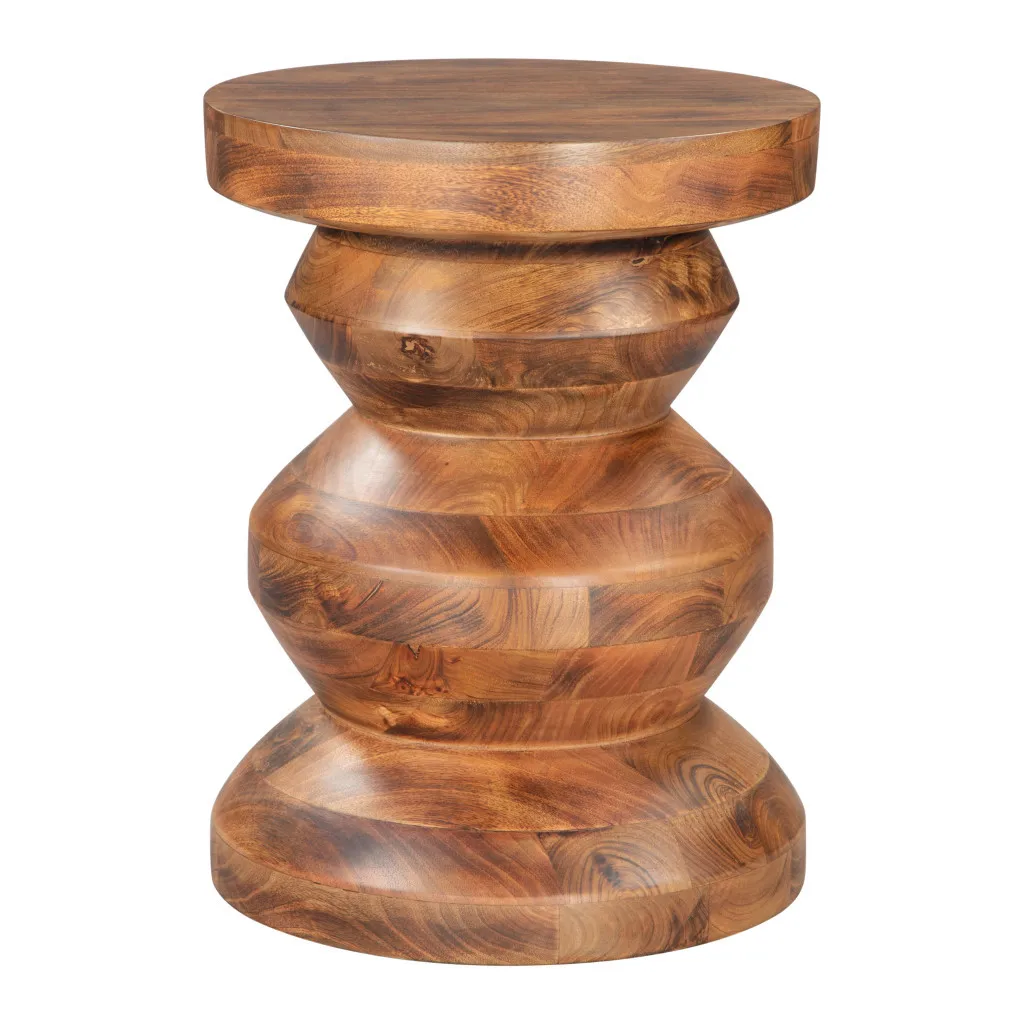
21″ Solid Wood Round Pedestal End Table – Brown Living Room Accent
For a beautifully crafted option, consider the 21″ Solid Wood Round Pedestal End Table – Brown Living Room Accent, which blends timeless design with sturdy construction.
Frequently asked questions
What is the best wood for an end table?
The best wood depends on your style and budget. Oak is durable and affordable, walnut offers rich color, and maple is light and subtle. Consider hardness, grain, and how it matches your decor.
How do I measure for an end table?
Measure the height of your sofa or chair arm, then choose a table within 2 inches of that height. Also consider the table’s width and depth so it doesn’t overpower the seating area.
Can solid wood end tables be refinished?
Yes, solid wood can be sanded and refinished multiple times, unlike veneer. This makes them a long-term investment that can be updated to match new decor.
Are round or square end tables better?
Round tables are great for tight spaces and traffic flow, while square tables offer more surface area. Choose based on your room layout and needs.