Follow us on Instagram @goldomallc
Free shipping on orders over $53 USD
Handcrafted with love
New home décor collection available now
Use code GOLDOMA15 for 15 % off
Follow us on Instagram @goldomallc
Free shipping on orders over $53 USD
Handcrafted with love
New home décor collection available now
Use code GOLDOMA15 for 15 % off


The Best Solid Wood Nightstand for Your Bedroom
Buying Guide
How to Pick a Solid Wood Nightstand
A solid wood nightstand is more than just a place to set your phone—it’s a lasting piece of furniture that adds warmth and character to your bedroom. Choosing the right one can feel overwhelming, but with a few key considerations, you’ll find a bedside companion that serves you for years.
Wood Types Size & Fit Storage Needs
Why Choose a Solid Wood Nightstand?
Solid wood furniture offers durability and timeless appeal that particle board or veneer simply can’t match. A solid wood nightstand can withstand daily use, resist scratches, and develop a beautiful patina over time. Unlike cheaper alternatives, solid wood can be refinished if damaged, extending its life indefinitely. Plus, each piece has unique grain patterns, making your nightstand truly one-of-a-kind. When you invest in solid wood, you’re choosing sustainability and quality.
Key Wood Types for Nightstands
The type of wood affects both the look and longevity of your nightstand. Here are popular choices:
- Oak: Known for its prominent grain and strength. Oak nightstands are heavy and durable, often with a warm, golden tone.
- Walnut: Rich, dark brown with a straight grain. Walnut is elegant and ages gracefully, but is typically more expensive.
- Cherry: Starts as a light pinkish-brown and deepens to a rich red over time. Cherry wood is smooth and develops a lustrous finish.
- Pine: A softer, more affordable option. Pine has a light color with visible knots, lending a rustic charm. It may dent more easily.
- Maple: Very hard and pale, with a subtle grain. Maple is ideal for a clean, modern look and resists wear well.
Consider the wood’s hardness, grain pattern, and how it will complement your existing decor. For a classic, sturdy choice, oak or maple are excellent. For a richer aesthetic, walnut or cherry shine.
Size and Proportions
Your nightstand should be proportionate to your bed and room. A general rule: the nightstand’s top should be level with your mattress height, or within a few inches. Measure your bed’s height (including mattress) and aim for a nightstand within 2-3 inches of that. Depth matters too—a standard nightstand is 15-18 inches deep, but if you have a small bedroom, a slimmer profile may work better. Width can range from 18 to 30 inches; a larger nightstand can hold more but may crowd the space. Leave at least 2-3 inches of clearance between the bed and nightstand for easy access.
Storage: Drawers, Shelves, or Open?
Think about what you’ll store. A solid wood nightstand with drawers keeps clutter hidden—perfect for books, remotes, and personal items. Two drawers offer more organization, while one drawer plus a shelf provides flexibility. Open shelves are great for displaying a plant or stacking books but require tidiness. Some nightstands have a single drawer and an open cubby; others have multiple drawers or a cabinet door. Evaluate your nightly routine: do you need a place for a glass of water, phone charger, and a book? Choose storage that matches your habits.
Style and Finish
Your nightstand should complement your bedroom’s style. For a rustic look, choose a distressed finish with visible wood grain and knots. Mid-century modern pieces often feature tapered legs and clean lines in walnut or teak. Traditional styles may have ornate details and darker stains. Farmhouse designs favor chunky, simple silhouettes in white or natural wood. Consider the hardware: metal pulls or knobs can add a modern or vintage touch. The finish—matte, satin, or glossy—affects the feel. A matte finish hides fingerprints and feels natural, while satin offers a subtle sheen.
Assembly and Care Tips
Most solid wood nightstands require some assembly. Look for pieces with clear instructions and pre-drilled holes to simplify the process. Use a soft cloth for dusting and a mild wood cleaner for spills; avoid harsh chemicals that can strip the finish. Place coasters under drinks to prevent water rings. Keep the nightstand out of direct sunlight to prevent fading, and maintain stable humidity levels to avoid wood expansion or cracking. With proper care, your solid wood nightstand will last for decades.
Budget Considerations
Solid wood nightstands vary widely in price. Pine is budget-friendly, while walnut and cherry are premium. A well-made piece from a reputable brand may cost more upfront but saves money over time—you won’t need to replace it every few years. Set a budget that reflects the quality you want. Remember, a nightstand is an investment in your daily comfort and your bedroom’s aesthetic. For more on the benefits of solid wood furniture, check out this Wikipedia article on wood furniture.
Worth a look
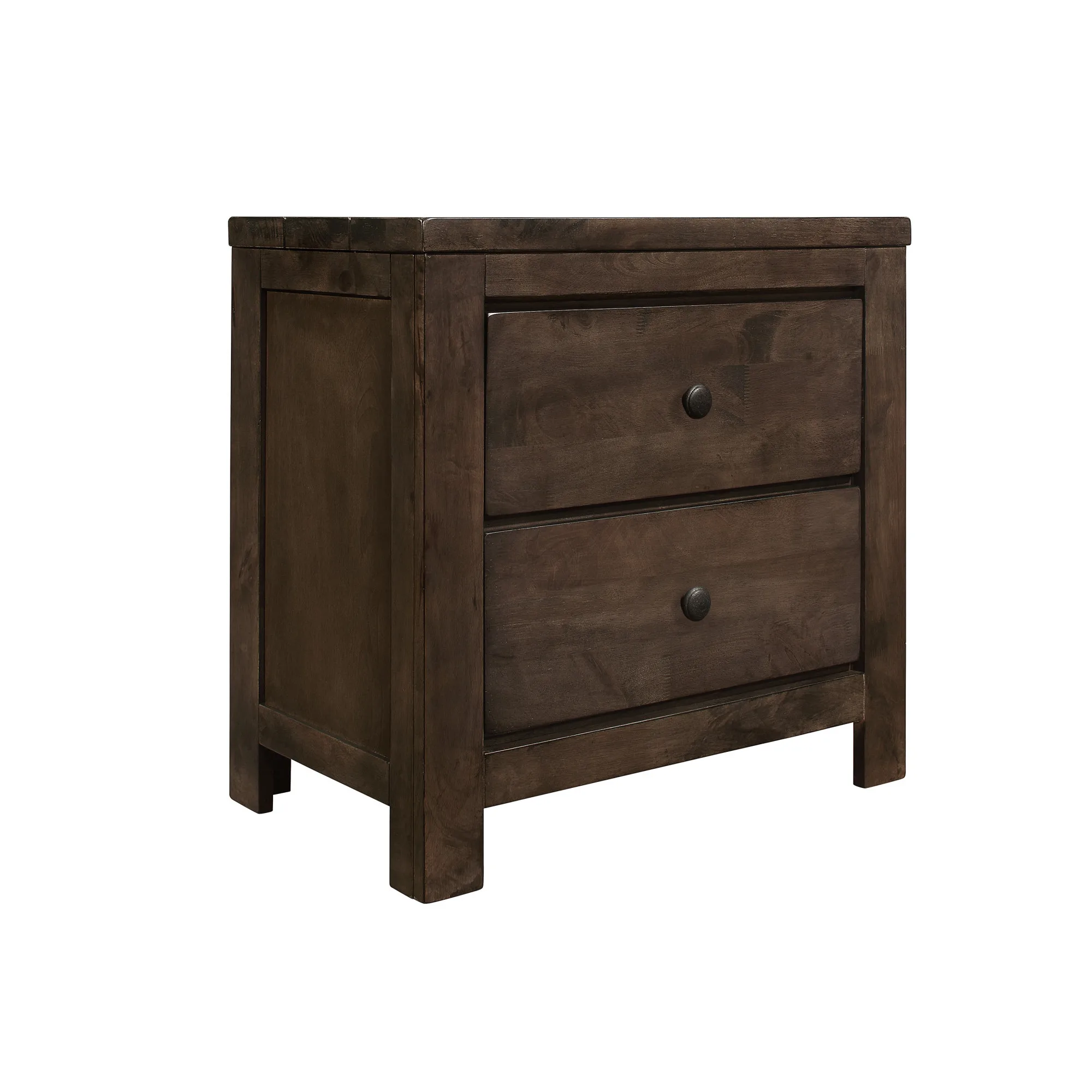
Brown 2-Drawer Nightstand – Solid Wood Rustic Design Bedroom Storage
If you’re seeking a blend of rustic charm and practical storage, the Brown 2-Drawer Nightstand – Solid Wood Rustic Design Bedroom Storage offers two spacious drawers and a sturdy solid wood build.
Frequently asked questions
What size nightstand should I choose for a queen bed?
For a queen bed (60 inches wide), nightstands around 24-28 inches wide are common. The height should be level with your mattress top, typically 25-30 inches. Ensure the depth leaves enough walking space.
Is solid wood better than engineered wood for a nightstand?
Yes, solid wood is more durable, can be refinished, and has natural beauty. Engineered wood may warp or delaminate over time. Solid wood is an investment in longevity.
How do I match a nightstand to my existing bedroom furniture?
Consider wood species, finish color, and style. If your bed is dark walnut, a walnut nightstand is a safe match. For a mix-and-match look, choose a complementary wood tone or a painted finish.
Can a solid wood nightstand be painted or stained later?
Yes, solid wood can be sanded and refinished. However, it’s easier to do before assembly. If you plan to change the color later, choose a piece with minimal pre-existing finish.